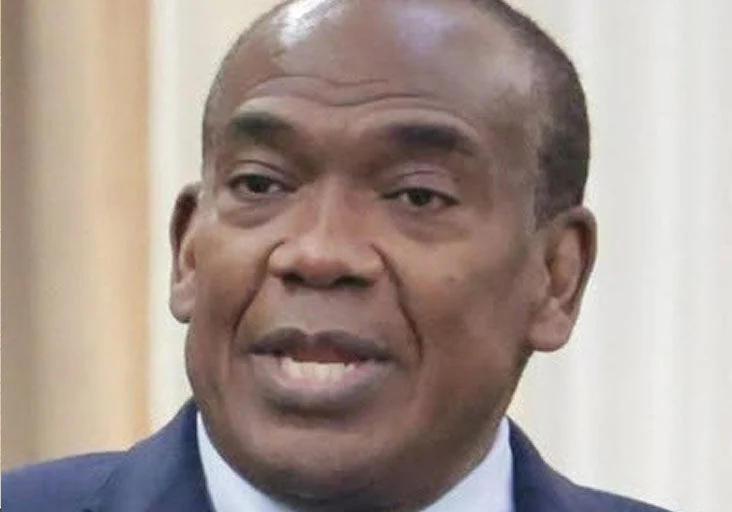
Trinidad and Tobago’s Attorney General John Jeremie has formally rejected assertions from the parliamentary Opposition that the recent settlement of former Central Bank Governor Dr Alvin Hilaire’s wrongful dismissal lawsuit represents a political win for the opposing camp. In public remarks delivered yesterday, Jeremie framed the negotiated resolution as a fiscally responsible move that shielded national taxpayers from millions in unnecessary costs, noting that the final agreed sum fell far below the $9.8 million in total compensation Hilaire had originally demanded when filing suit. The long-running legal dispute reached a formal close earlier this week, when legal representatives for both Hilaire and the Office of the Attorney General confirmed a mutually agreed settlement before Justice Lisa Ramsumair-Hinds during a scheduled Port of Spain High Court hearing, eliminating the need for a full public trial. A binding confidentiality clause included in the settlement terms prevents either party from disclosing the exact financial value of the agreement, a restriction Jeremie confirmed his office was legally obligated to uphold when pressed for specific figures by reporters. Hilaire first launched legal action against the Office of the Attorney General and the national Cabinet after state officials revoked his appointment as Central Bank head on June 24, 2025, just over a year before his official term was set to conclude in December 2026. The government immediately appointed former finance minister Larry Howai to fill the vacant governor post the same day Hilaire was removed. In his original legal filing, Hilaire sought $9.8 million in combined compensation, covering unpaid salary and benefits for the remainder of his unfulfilled term, damages for alleged emotional distress, and redress for claimed breaches of his constitutional employment rights. The path to a pre-trial settlement first emerged several months prior, when Hilaire’s lead counsel, Senior Counsel Stuart Young, publicly noted that an out-of-court resolution was a plausible alternative to a lengthy, costly full trial. Following the official announcement of the settlement, a wave of social media content including viral memes framed the outcome as a decisive legal victory for Hilaire, with widespread public praise directed at Young for his advocacy work on the case. Jeremie pushed back strongly against that narrative in his latest remarks, emphasizing that the entire negotiation process was structured to prioritize the best interests of Trinidad and Tobago’s general public. He drew a sharp contrast between the current administration’s handling of Hilaire’s departure and the previous People’s National Movement (PNM) government’s removal of former Central Bank Governor Jwala Rambarran, claiming the prior PNM administration had orchestrated Rambarran’s ouster through secretive, underhanded tactics. By contrast, Jeremie stated, his government engaged in open, good-faith discussions with Hilaire to outline concerns about his leadership, extended a formal hearing to allow him to respond to those concerns, and crafted an exit package designed to preserve his professional reputation while providing fair financial compensation once officials determined his remaining tenure could not proceed productively. He noted that the initial respectful settlement offer was rejected by Hilaire, prompting the former governor to file formal litigation, and that his legal team had managed the subsequent case with consistent prudence to minimize financial risk to the state at every stage of the proceedings.