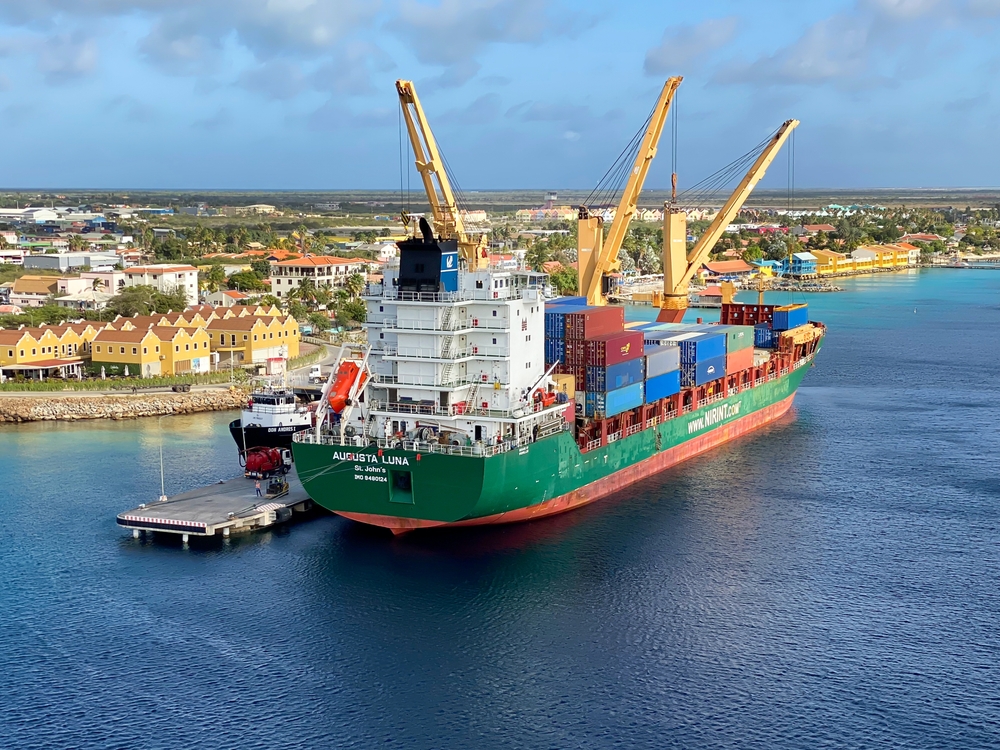
Representatives of the Caribbean commercial ecosystem are mounting a formal push for permanent regulatory carve-outs from recent U.S. maritime fee policies, cautioning that unplanned spikes in ocean freight expenses would ripple across local enterprises, household budgets, and the reliable flow of critical supplies throughout the island and coastal bloc. The coordinated campaign is led by the CARICOM Private Sector Organisation (CPSO) and its affiliated CPSO-US Business Council, which have jointly filed formal public comments with the Office of the United States Trade Representative (USTR) to argue for far more durable relief for the region’s short-sea shipping networks. The current temporary suspension of the fees is scheduled to sunset on November 9, 2026, and the USTR has so far only floated a narrow two-month extension that would run from November 10, 2026, through January 9, 2027 — a stopgap measure the CPSO says is far too fragile to support long-term regional economic planning. The underlying U.S. fee policy, first rolled out in October 2025, applies additional charges to select China-built vessels calling at U.S. ports. While targeted exemptions were rolled out for specific vessel categories shortly after the policy launched, CPSO leaders emphasize that these carve-outs are not minor administrative concessions, but foundational guardrails for the entire maritime infrastructure that CARICOM member states rely on for survival. For nations including Saint Lucia and dozens of other Caribbean territories, the stakes of this policy debate are uniquely high: over 90% of all goods traded in the region travel by sea, with no functional road, rail, or pipeline alternatives to move cargo between islands or connect to global supply networks. These busy shipping lanes carry everything from staple food supplies, gasoline, and construction materials to specialized inventory for the region’s $80 billion tourism sector and small-scale manufacturing operations. The CPSO, which counts more than 6,250 member businesses across all CARICOM jurisdictions, notes that many smaller island nations are served by a mere two or three active freight carriers, leaving their markets extremely vulnerable to even minor shifts in operational costs. The organization’s analysis shows that the original U.S. fee structure, if applied without the existing exemptions, would have driven a 50% to 60% surge in freight rates on Caribbean trade routes, a jump that would have translated directly to inflated consumer price tags, shrinking profit margins for both regional enterprises and U.S. exporters selling into the Caribbean market. Data tracked by the CPSO confirms that since the temporary exemptions took effect in April 2025, no regular liner service to any CARICOM port has been canceled, and no new unplanned surcharges have been added to regional shipping routes. The carve-outs also serve a critical public safety function, the group notes, by preserving the fast, low-cost short-sea shipping capacity that enables rapid disaster response. As a real-world example, CPSO representatives highlighted the 2025 post-Hurricane Melissa relief effort, where tons of emergency food, temporary shelter supplies, and reconstruction materials were shipped from Florida to Jamaica in days using the exact same protected short-sea services. Bilateral trade volumes between the U.S. and CARICOM hit a record $30.1 billion in 2025, with U.S. exports to the region reaching $18.6 billion and imports from Caribbean nations totaling $11.6 billion, delivering a $7 billion trade surplus for the United States. Dr. Patrick Antoine, CPSO Chief Executive Officer and Technical Director, explained that the existing exemptions have created a mutually beneficial status quo, keeping Caribbean retail and industrial markets fully stocked while ensuring U.S. manufactured and agricultural goods remain price-competitive for Caribbean consumers. He added that the advocacy push asks the USTR to first extend the current relief framework beyond the proposed two-month window, and then formalize the carve-outs as permanent policy, so that Caribbean trade operations are no longer held hostage to last-minute, high-stakes extension negotiations where regional stakeholders have no formal decision-making seat. The joint formal submission to USTR builds on the CPSO’s 2025 advocacy work on the maritime fee policy, which was coordinated across a broad coalition including CARICOM national governments, the CARICOM Secretariat, regional diplomatic representatives based in Washington, major global shipping operators, and dozens of other cross-sector stakeholders. [Photo: KG Logistics, Caribbean freight forwarding operations]