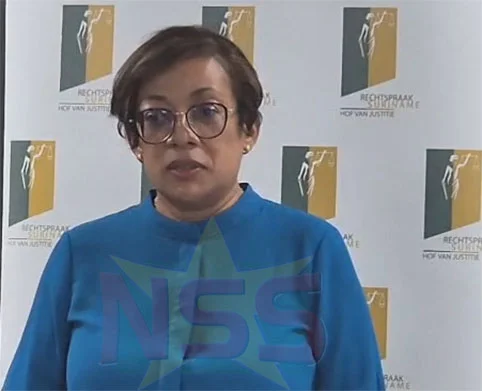
On November 3, Suriname’s judicial spokesperson Marjory Sanches delivered an official update on the high-profile summary proceedings filed by a group of Mennonite residents challenging their government-ordered deportation, confirming that the entire legal action has been formally withdrawn. The case, first launched on October 29 via attorney Derrick Veira on behalf of 56 Mennonite plaintiffs, sought an immediate suspension of the planned deportation, state-funded legal aid for the group, a daily penalty of 10 million Surinamese dollars for non-compliance with any court-ordered stays, and full reimbursement of legal fees estimated at 150,000 Surinamese dollars to be paid by the national government.
The Mennonite plaintiffs had argued that they originally entered Suriname at the explicit invitation of the country’s authorities, with formal approval granted for 50 families to establish long-term agricultural operations in the nation. They further stated that they submitted applications for short-term residence permits in 2024 but received no official response, leaving them unable to complete the full legal pathway to formal permanent residency. The group claimed they only learned their permit applications had been rejected via local media reports, and subsequently petitioned the Surinamese president for a review of the decision — a process the government argued was not permitted under the country’s Foreign Nationals Act, which contains no provisions for presidential review of immigration rejection rulings.
By the time the summary proceedings convened on November 2, the legal landscape had shifted dramatically: the vast majority of the 56 plaintiffs had already been deported, leaving only six individuals, including mothers with young children, remaining in Suriname’s Kraka detention facility. The court ordered attorney Veira to visit the remaining group members to confirm whether they intended to continue their legal challenge to block deportation. Veira submitted a formal statement to the court the following day confirming all six remaining individuals had chosen to voluntarily depart Suriname to reunite with their spouses, partners, and other family members who had already left the country, eliminating their legal standing to pursue the original motion to halt deportation. All associated claims for legal aid and daily penalty fines were also withdrawn as part of the agreement.
Sanches noted that the existing court ruling does not clarify why the six individuals were not deported alongside the rest of the group, but acknowledged that procedures for deporting young children may require prior verification of nationality status in line with Suriname’s Nationality and Residency Act, as children born on Surinamese soil may qualify for citizenship under specific circumstances. She confirmed that court documents do not contain official records of the exact reason the mothers and children were initially held back from the deportation process. While the legal filing states the six individuals planned to depart on November 3 for family reunification, authorities have not yet confirmed that their travel has been completed.
The only unresolved element of the case is the pending ruling on litigation costs, which the cantonal court is scheduled to deliver at 1:30 PM on November 9. As a result of the full withdrawal of the core claims, the court has not issued any formal ruling on the legality of the original government deportation order against the Mennonite group.