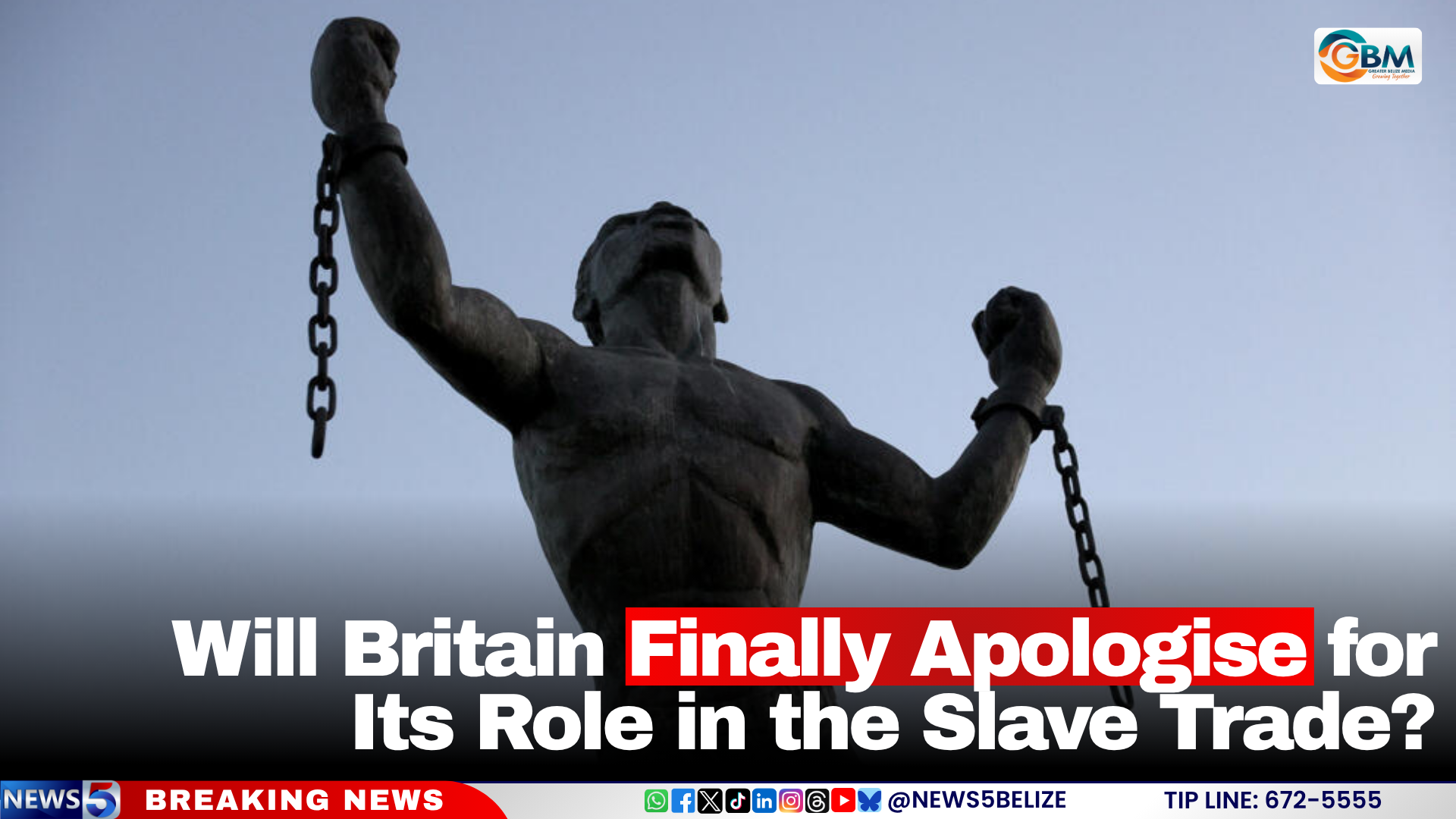
On November 1, 2026, long-simmering global debates over the United Kingdom’s historical accountability for its central role in the transatlantic chattel slave trade have surged back to the forefront of international diplomatic discourse, as newly elected Prime Minister Andy Burnham laid out the British government’s preliminary framework for engaging with affected nations and descendant communities.
In a formal public statement released from 10 Downing Street, Burnham confirmed his administration is launching a structured, multi-stakeholder dialogue process that centers demands for a formal, official state apology for centuries of state-sanctioned slave trading and the systemic exploitation of millions of enslaved African people across the Caribbean, Americas, and British colonial territories. “Listening directly to the voices of communities and nations whose ancestors bore the brutal, intergenerational harm of the transatlantic slave trade, including their calls for a formal apology on behalf of the British state, will be a core, non-negotiable pillar of this entire consultation process, and I enter these discussions with an open mind,” Burnham stated.
However, the Prime Minister made clear that his government would not consider direct, individual or collective financial reparations payments to descendant communities or affected nations, arguing that contemporary British taxpayers who played no personal role in historical colonial abuses should not be held financially liable for wrongs committed generations ago. As an alternative policy proposal, Burnham outlined a targeted debt restructuring initiative for low- and middle-income Commonwealth nations, which would extend repayment timelines for outstanding sovereign debts and slash prevailing interest rates to ease fiscal pressures on vulnerable economies across the Global South.
Across the Caribbean, leaders of the Caribbean Community (CARICOM) – which recently relaunched its longstanding 10-point official slavery reparations action plan – reacted cautiously but optimistically to Burnham’s announcement. Barbadian Prime Minister Mia Mottley, who currently holds a rotating leadership role within CARICOM, confirmed that the regional bloc would enter the planned UK-led talks in good faith, while acknowledging significant remaining gaps between the two sides’ policy positions. “Genuine, respectful dialogue is a critical first step, but we are under no illusions that we are aligned on every element of this accountability framework, particularly when it comes to the question of reparations. We will state our positions clearly, transparently, and with mutual respect as these discussions move forward,” Mottley emphasized.
Parallel to the diplomatic negotiations, King Charles III undertook a high-profile symbolic visit to Independence Park in Georgetown, Guyana, the historic site where 33 enslaved activists who led the 1823 Demerara Rebellion – one of the largest and most significant acts of organized resistance against British chattel slavery – were publicly executed by colonial authorities. The visit follows the monarch’s earlier public remarks during a 2025 tour of the Bahamas, where he acknowledged the profound, ongoing intergenerational suffering caused by British colonial slavery. A spokesperson for Buckingham Palace clarified that the King intends to address the UK’s colonial past with unflinching honesty and appropriate expressions of sorrow for historical harms, but will not take public positions on specific government policy matters related to the upcoming dialogue. Royal observers and Caribbean community leaders are watching the monarch’s upcoming public remarks closely, as regional governments continue to push for formal, tangible recognition and redress for the centuries-long legacy of British slavery that continues to shape systemic economic and social inequities across the Caribbean today.
Will Britain Finally Apologise for Its Role in the Slave Trade?