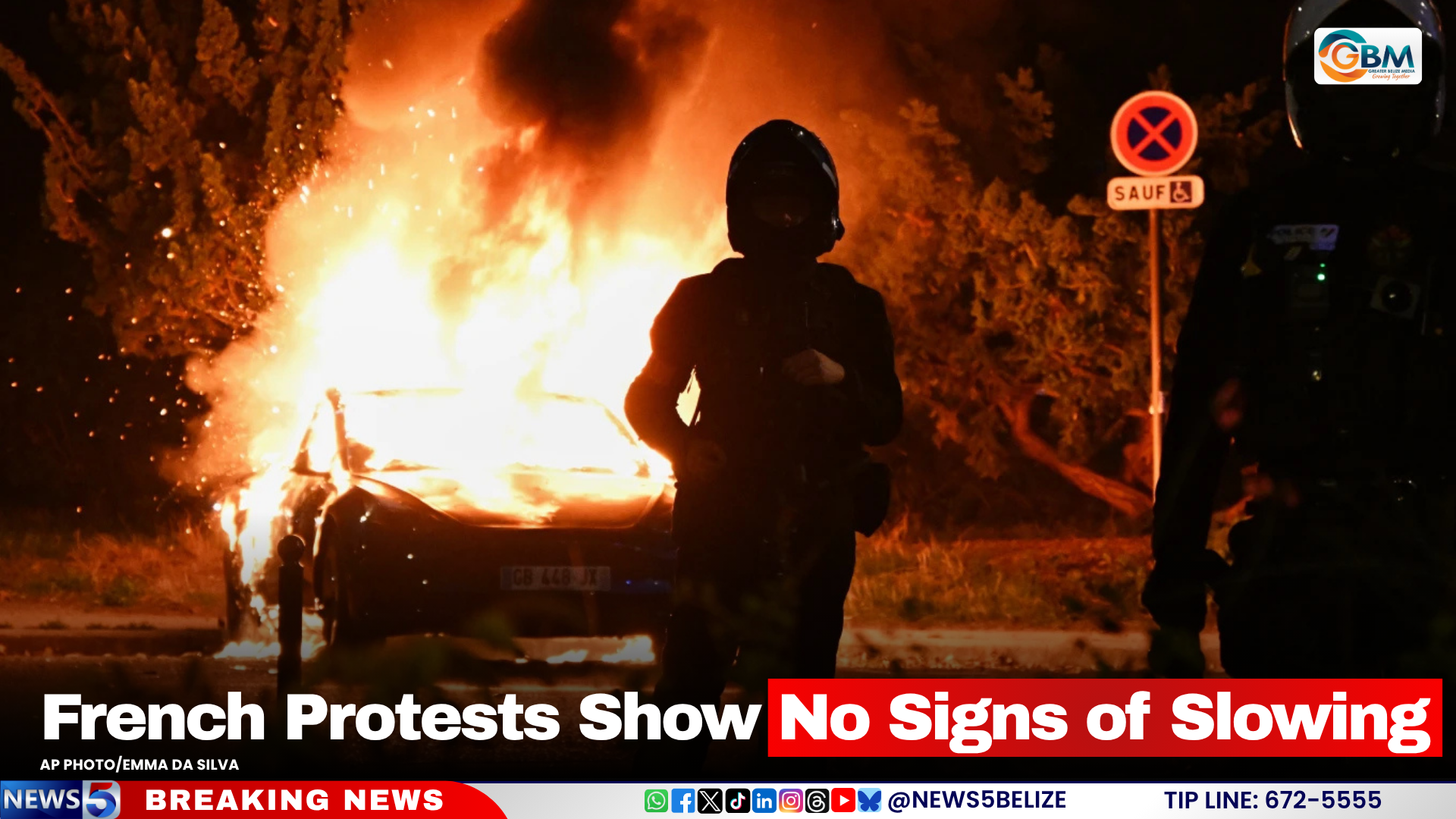
As of November 1, 2026, France has entered its third straight weekend of sustained mass demonstrations, with hundreds of thousands of civilians taking to city streets across the country to voice a growing set of grievances that have outgrown the movement’s initial education-focused origins. The wave of unrest first ignited back in September, when disgruntled high school students launched targeted actions to draw public attention to crippling gaps in the national education system: chronic understaffing that left hundreds of classrooms without permanent teachers, dangerously overcrowded learning spaces, and dilapidated, poorly maintained school facilities that posed health and safety risks to pupils and staff alike. What began as a youth-led campaign has since gained widespread backing from trade union federations and ordinary citizens frustrated with stagnant household purchasing power and eroding public services, transforming the localized student action into a nationwide grassroots movement. Official figures released by France’s Interior Ministry confirm an estimated 320,000 people joined Saturday’s marches, a modest dip from the 410,000 recorded during the previous weekend’s demonstrations. The vast majority of gatherings proceeded peacefully, with participants marching in organized, good-natured rallies to carry signs and deliver public addresses calling for systemic reform. However, as events wrapped up in Paris and several major provincial cities, sporadic outbreaks of violent unrest erupted, according to on-the-ground reporting from the Associated Press. Law enforcement officials confirmed more than 560 total arrests across the country over the course of the day, with police units deploying tear gas in multiple locations to disperse unruly groups that refused to vacate public thoroughfares. In a formal statement shared with Reuters, national student representative bodies have publicly rejected the French government’s recently tabled education reform package, dismissing the proposed measures as far too limited to resolve the deep-seated structural flaws in the school system. Student leaders have confirmed that the movement will not be paused, with a coordinated wave of additional street protests, targeted school blockades, and a full national general strike already scheduled to take place on November 5, drawing even more public sector workers and private industry staff into the collective action.