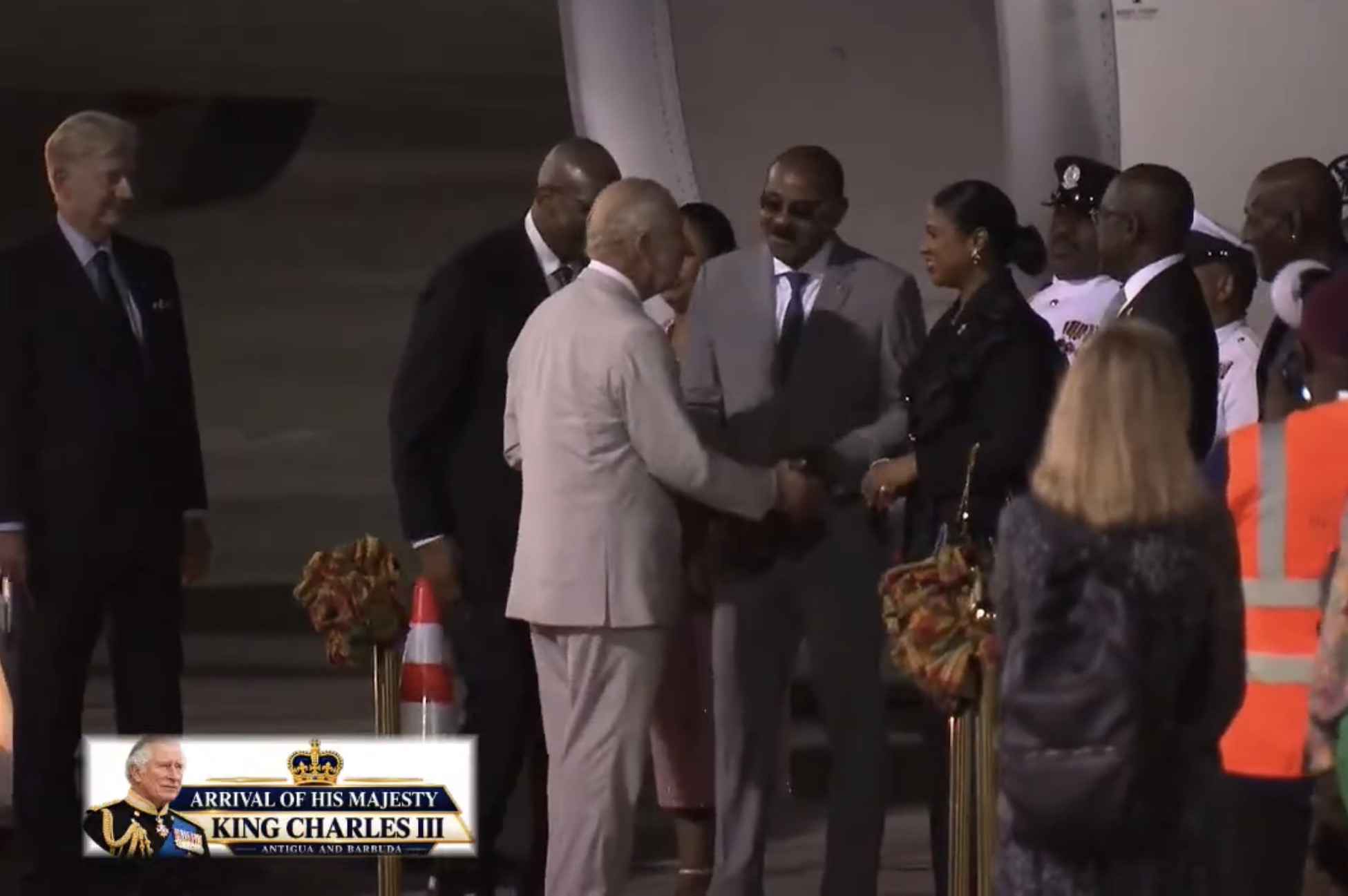
On 30 October 2026, senior Antigua and Barbuda government officials released an official statement responding to recent remarks from UK Prime Minister the Right Honourable Andy Burnham, who publicly articulated profound sorrow and remorse over the United Kingdom’s historical involvement in the transatlantic slave trade, and confirmed his administration is actively weighing a formal, state-backed apology for that centuries-long systemic atrocity. The statement frames this development as a landmark, warmly received breakthrough, arriving precisely on the cusp of the upcoming Commonwealth Heads of Government Meeting (CHOGM) hosted by Antigua and Barbuda in the eastern Caribbean island nation. The transatlantic slave trade represented one of the most heinous, large-scale human rights violations in modern history, whose intergenerational harms—ranging from suppressed economic development to persistent social inequities across affected nations—have persisted for nearly two centuries after formal emancipation was enacted across British territories. A full, unreserved acknowledgement of historical state accountability paired with an official public apology, the statement notes, would mark a pivotal milestone in advancing cross-border healing, and laying a far more robust, trust-centered foundation for diplomatic and people-to-people ties between the UK and the dozens of nations and communities that bore the brutal brunt of the slave trade. Beyond the historical reckoning elements of Burnham’s announcement, the Antiguan government specifically lauded the UK prime minister’s package of tangible, targeted support measures for low-income and marginalized Commonwealth member states. Most notably, Burnham’s proposal to renegotiate sovereign debt terms for vulnerable nations, including extended repayment timelines and drastically reduced, concessional interest rates, directly addresses one of the most crippling barriers to sustainable development across large swathes of the Global South. Additional UK commitments outlined, including dedicated funding to accelerate the global shift to renewable energy platforms, targeted diplomatic advocacy to amplify the collective voice of small island developing states in global governance forums, expanded investment in accessible public education, and coordinated policy action to roll back entrenched poverty and structural inequality, were also highlighted as deeply encouraging steps. For Antigua and Barbuda and other similarly situated small, climate-vulnerable island nations, these pledges address existential, daily pressures: the region faces accelerating climate crisis impacts including catastrophic category 5 hurricanes, chronic coastal erosion, sky-high commercial borrowing costs, and a global international financial architecture that systematically fails to account for the unique structural vulnerabilities of small island economies. The statement also clarified that the long-standing, unified Caribbean regional position on reparatory justice for the harms of the transatlantic slave trade remains fully unchanged. While outstanding disagreements over the scope and structure of formal financial reparations remain, the Antiguan government emphasized that these divergences do not need to block tangible, collaborative progress on priority areas where both sides already hold overlapping shared interests. The statement went on to explicitly welcome Burnham’s formal offer to launch a structured, permanent bilateral and multilateral dialogue mechanism with all nations historically impacted by the British transatlantic slave trade. It noted that this dialogue framework must operate on a clear, public timeline, remain fully inclusive of all affected stakeholder groups, uphold principles of mutual respect and transparency, and be oriented toward delivering concrete, measurable outcomes rather than symbolic gestures. As Antigua and Barbuda finalizes preparations to welcome more than 50 Commonwealth heads of government for the landmark summit, the statement concluded with a commitment to hold direct, constructive bilateral talks with Prime Minister Burnham during CHOGM, to chart a joint path forward to turn the UK’s newly announced constructive opening into tangible, shared progress for all member states.
Statement by Prime Minister of Antigua and Barbuda, on the remarks of British Prime Minister Andy Burnham concerning slavery and reparatory justice