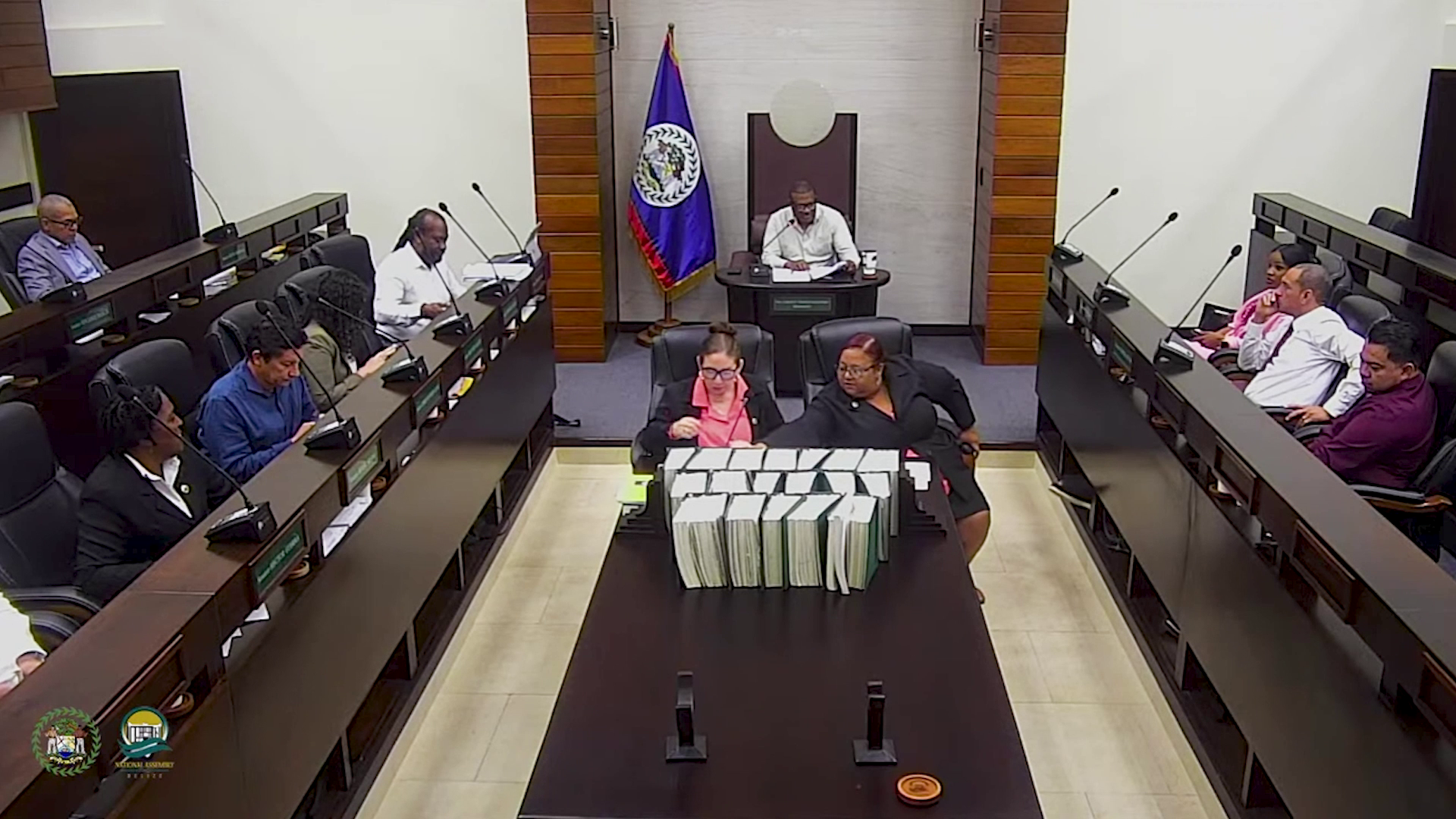
On October 30, 2026, a contentious parliamentary session unfolded in the national Senate after debate wrapped up for the proposed National Security Council Amendment Bill, leaving lawmakers and onlookers confused over the legitimacy of the final vote outcome. Presiding over the chamber as Acting Senate President, Vice President of the Senate Linsford Castillo first called for a traditional voice vote, asking all senators in support of the bill to state “I” and all those opposed to say “No.” In an unprecedented turn, not a single senator voiced support for the legislation, with only members of the United Democratic Party (UDP) opposition shouting their dissent against the bill. Castillo initially acknowledged that the opposing “No” votes clearly carried the chamber, but moments later made the unexpected decision to re-pose the vote question to all assembled senators, a move that immediately drew a formal point of order from Lead Opposition Senator Sheena Pitts. Pitts cited Standing Order 46 of the Senate’s official rules, which explicitly states that once a presiding officer collects voices from both sides of a question, they must immediately declare the final result, with no opportunity to re-run the voice call or revisit the debate on the legislation. She further pointed out that Castillo had personally admitted within earshot of multiple senators that he had heard zero affirmative votes during the first voice call, confirming the opposition had already won the initial tally. Rejecting the presiding officer’s attempt to re-run the informal vote, Pitts formally invoked the standing order to demand a formal recorded division of the chamber. The subsequent headcount revealed 9 senators casting votes in favor of the National Security Council Amendment Bill, and 4 voting against its passage. The entire sequence of events, captured as part of a national evening television newscast, has sparked widespread public scrutiny over adherence to longstanding parliamentary procedure, with many political observers questioning the rationale behind the presiding officer’s choice to re-initiate the voice vote after already confirming the opposition carried the initial count.