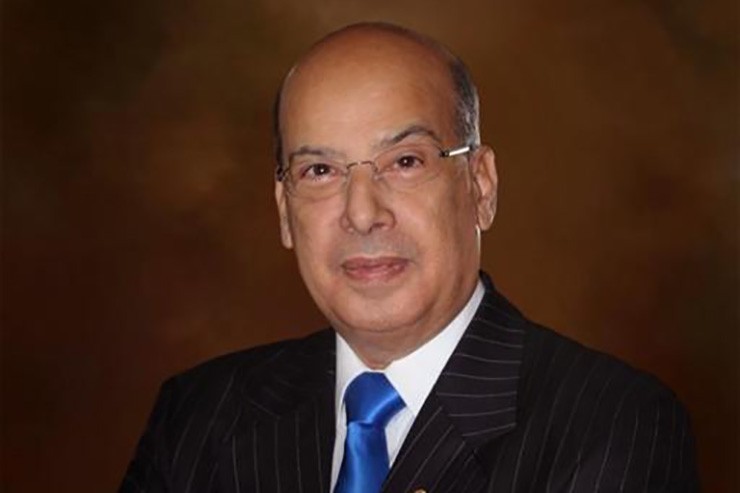
As heads of state and government from the 56 Commonwealth nations prepare to gather in Antigua and Barbuda from November 1 to 4 for their biennial leadership summit, veteran Antiguan and Barbudan diplomat Sir Ronald Sanders is urging delegates to centre a longstanding, transformative vision of the intergovernmental bloc at the core of their deliberations, at a moment when global geopolitical tensions are eroding traditional multilateral frameworks and pushing nations toward rigid confrontation over collaborative problem-solving. The core insight Sir Ronald highlights comes from Sir Shridath Ramphal, the Commonwealth’s longest-serving Secretary-General who led the organization for 15 years: “The Commonwealth cannot negotiate for the world, but it can help the world to negotiate.”
For the small island nation of Antigua and Barbuda, hosting the high-stakes gathering carries both immense national pride and a weighty mandate: to curate a space for unvarnished, constructive dialogue that yields outcomes that benefit not just the 2.5 billion people across Commonwealth member states, but the broader global community. Sir Ronald brings decades of firsthand experience with the bloc’s inner workings to his analysis, having served on the Commonwealth Secretariat’s Governing Board, and acting as a member and Rapporteur for the 2011 Eminent Persons Group that delivered the landmark reform report *A Commonwealth of the People: Time for Urgent Reform* to leaders at the Perth CHOGM. That report’s title was deliberately chosen, he notes, to anchor the Commonwealth’s legitimacy in tangible, measurable improvements to the daily lives of ordinary citizens across all member nations, rather than hollow diplomatic pageantry.
Today, delivering on that promise requires a clear-eyed recognition of the overlapping, complementary interests that bind the bloc’s wildly diverse membership, spanning wealthy industrialized powers, fast-growing emerging economies, and the dozens of small island developing states that make up the majority of its roster. For large, advanced economies including the United Kingdom, Canada and Australia, core priorities include securing reliable trade routes, diversifying economic partnerships beyond overconcentrated supply chains, and building cross-regional diplomatic alliances. Major emerging markets such as India and South Africa bring unmatched productive capacity, specialized technical expertise, and growing global diplomatic clout, paired with a shared push to restructure global governance systems to be more equitable for historically marginalized nations. The small states that form the Commonwealth’s numerical majority, meanwhile, are seeking tangible support for territorial security, expanded economic opportunity, and a meaningful seat at global decision-making tables that directly impact their very survival.
Crucially, Sir Ronald emphasizes, none of these priorities can be fully delivered by any nation acting unilaterally. Even the world’s largest economies cannot guarantee stable trade rules, consistent diplomatic backing, or resilient global supply chains through sheer national power alone. Smaller Commonwealth members, in turn, offer underrecognized value: access to niche regional markets, deep local contextual knowledge, expansive cross-regional diplomatic networks, and decades of accumulated expertise navigating systemic economic and climate vulnerabilities that larger nations are only beginning to grapple with amid cascading global crises. This dynamic is exactly what makes Ramphal’s decades-old vision so urgent in 2024: the Commonwealth operates as a low-stakes, trusted forum where negotiators can test unorthodox policy ideas, unpack the domestic political constraints that shape counterpart positions, and build consensus behind closed doors before formal, high-stakes global negotiations, where rigid public posturing often blocks compromise.
The summit’s closed-door Leaders’ Retreat offers the ideal starting point to turn that vision into action, Sir Ronald argues. Delegates can narrow their collective focus to a small, targeted set of global policy files where their diverse national perspectives can generate actionable, pragmatic solutions. Two obvious, high-impact priorities stand out first: global climate finance reform and unsustainable sovereign debt restructuring. The Commonwealth’s membership uniquely spans nations that are critically in need of concessional climate funding, nations that are the largest contributors to global climate finance pools, and nations that hold decisive sway over the governance rules of multilateral financial institutions. A focused, good-faith discussion on these files could map out exactly what each group of stakeholders requires to reach an agreement, and identify clear pathways to compromise that have eluded broader global forums for years.
Global trade cooperation is a second high-priority use case. Commonwealth members can collaborate to design frameworks that preserve predictable, inclusive trading rules while addressing widespread public concerns over economic security, domestic job protection, and equitable development for low-income nations. Any consensus reached in these closed Commonwealth consultations would carry outsized global weight, as member governments could carry those negotiated, pragmatic proposals directly into formal global negotiating bodies at the WTO, UN climate talks, and multilateral financial institutions.
Delivering these outcomes will require consistent, patient, behind-the-scenes diplomacy, backed by rigorous technical analysis and sustained regular engagement between national capitals, rather than lofty, unenforceable public declarations in support of multilateralism. The summit’s official theme, “Accelerating Partnerships and Investment for a Prosperous Commonwealth,” offers an immediate, tangible vehicle to demonstrate this model in action, building on the welcome work of current Commonwealth Secretary-General Shirley Botchwey to roll out a new centralized investment platform that already hosts more than 60 development projects submitted by 20 member nations. The next critical step, Sir Ronald notes, is to connect those viable, community-focused projects to long-term affordable financing, to deliver tangible new jobs, critical infrastructure, and inclusive economic activity across member states.
One of the biggest bottlenecks holding back small nations from delivering on these projects is prohibitive upfront pre-investment costs: required engineering feasibility studies, environmental impact assessments, specialized legal advisory work, and detailed financial planning exercises often carry price tags that exceed the annual discretionary budgets of tiny national administrations. Parallel barriers to small business trade across the bloc remain equally solvable: exporters often lose out on cross-border sales due to exorbitant product certification costs, clunky cross-border payment systems, unreliable regional freight networks, and restrictive travel visa rules that prevent sales representatives from traveling to finalize deals. Member governments can immediately identify all of these barriers that fall under their direct national control, and negotiate targeted mutual arrangements to remove them, with a flexible opt-in structure that allows willing nations to move forward first before inviting other members to join, in full compliance with all existing regional and international trade obligations.
Small states must be central to shaping this new collaborative agenda, Sir Ronald stresses, contributing innovative policy solutions, building collective common positions, and leveraging their unique technical expertise. Antigua and Barbuda’s role as summit host, and Prime Minister Gaston Browne’s upcoming tenure as Commonwealth Chair-in-Office, serves as a powerful demonstration that effective global leadership does not depend on large population sizes or massive economic output.
Real accountability will be the defining factor that separates this summit from dozens of previous gatherings that ended with unfulfilled declarations, Sir Ronald warns. Every member government bears equal responsibility for delivering on agreed commitments. Larger, more economically powerful members must use their global diplomatic influence to advance shared Commonwealth consensus positions in international forums, while all nations must follow through on their pledged domestic commitments, contribute financial and technical resources to the bloc according to their respective capacities, and grant the Commonwealth Secretariat the full operational authority and sufficient budget and staffing resources to deliver on its mandated work. Drawing on his firsthand experience on the Secretariat Governing Board, Sir Ronald notes that ambitious reform promises always eventually come down to concrete decisions about staffing levels, annual budgets, and prioritized work plans, and he warned as far back as 2012, after the Perth CHOGM, that the bloc’s biggest historical mistake has been confusing the symbolic adoption of high-level declarations with actual, on-the-ground implementation – a distinction that remains as critical as ever today.
To avoid that familiar pitfall, leaders should agree on a narrow, manageable, time-bound work programme, assign clear, named responsibility for each deliverable, and set public, transparent deadlines for regular progress reporting, so that ordinary citizens across the Commonwealth can easily track exactly what their governments have delivered. That same standard of accountability must also apply to upholding the Commonwealth’s core shared values: independent, impartial legal systems, democratically accountable governing institutions, equal access to justice, and full respect for universal human rights, all of which underpin both public trust in government and long-term, inclusive economic opportunity, and are binding obligations for every single member state without exception.
Antigua and Barbuda’s 2024 summit can lay the foundation for a renewed, reimagined Commonwealth bargain, Sir Ronald argues: a new social contract where every member nation contributes to collaborative efforts that deliver shared mutual benefits for all, and together the bloc works to prop up a fraying global international system where collaborative negotiation remains a viable alternative to dangerous, destabilizing confrontation. Ramphal long understood that the Commonwealth’s greatest value lies in delivering tangible public good far beyond its own membership, and in today’s deeply fractured, crisis-ridden global landscape, that is a core responsibility that sitting Commonwealth leaders must actively embrace. When they depart Antigua and Barbuda in early November, they should leave not with lofty, unenforceable rhetoric, but with concrete, agreed work plans, clearly assigned roles, and a shared, collective determination to help the world rediscover the path to constructive, collaborative negotiation.