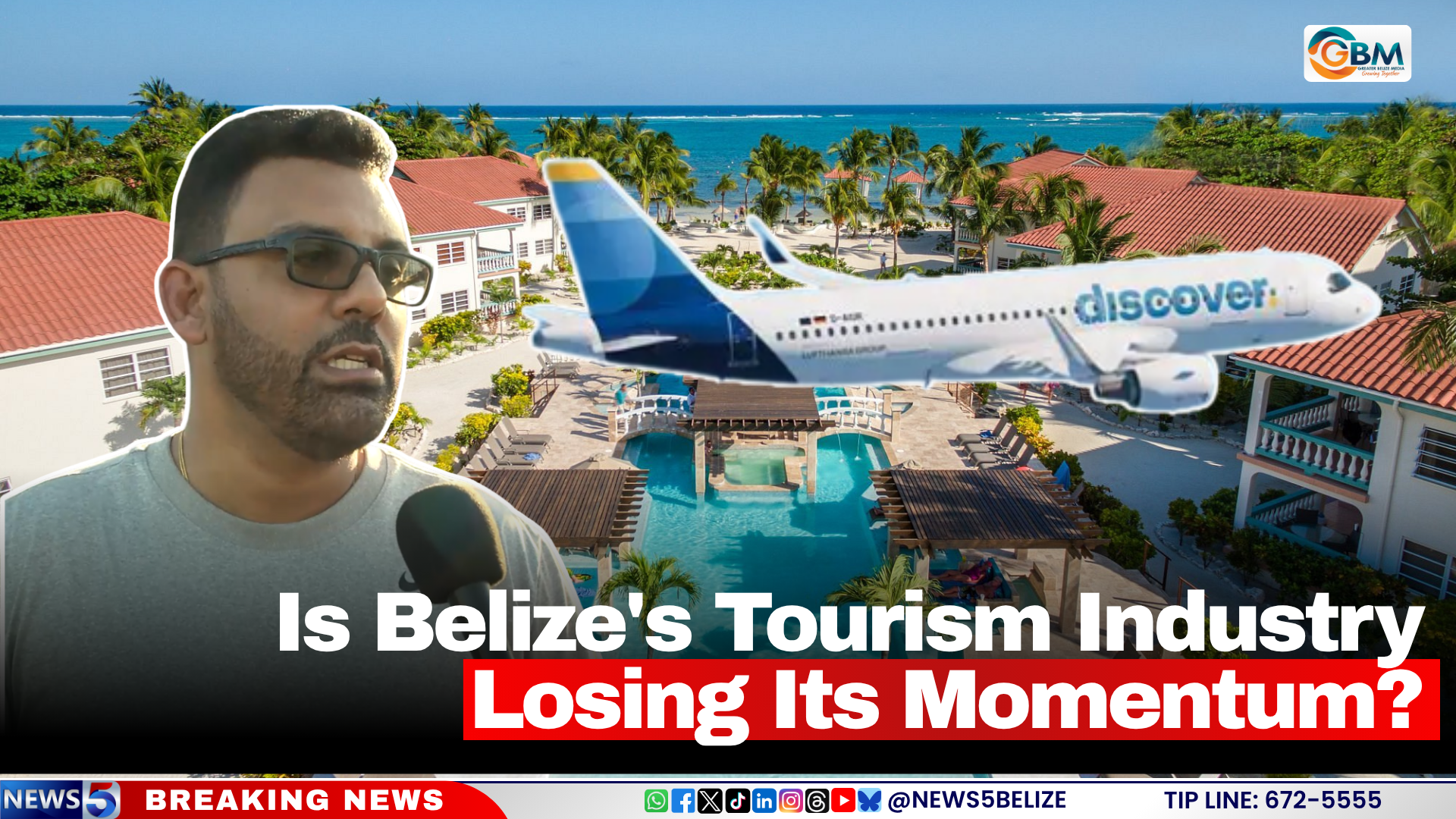
On October 27, 2026, Belize’s Minister of Tourism Anthony Mahler shared concerning new data showing the country’s overnight international visitor arrivals dropped by roughly 13% in August, marking the weakest performance for that metric on record. The unexpected slump has cast a shadow over the small Caribbean nation’s core tourism sector, which has been working to rebuild steady pre-pandemic growth in recent years.
Mahler outlined two overlapping primary drivers of the downturn during recent public remarks: cascading geopolitical instability that has suppressed global travel demand for regional destinations, and skyrocketing operating costs for commercial airlines that serve Belize’s international routes. He noted that in conversations with the leadership of Discover Airlines, the carrier’s chief executive confirmed that industry-wide operational expenses have surged by as much as 60% across the board, translating to billions of dollars in extra cumulative costs for airline operators that have forced many to cut back on underperforming regional flight schedules.
Compounding the industry’s financial headwinds is a persistent, unusually severe sargassum seaweed infestation along Belize’s popular coastal stretches. The thick, foul-smelling algal blooms have not only deterred international visitors from booking beach-focused stays, but also suppressed domestic travel to coastal hotspots for local vacationers. “This is no longer just an environmental challenge for us,” Mahler emphasized. “It has spilled over into a public health risk for communities living along the shore, and now a full-blown economic emergency as we hemorrhage the visitor traffic our local businesses rely on.”
Despite the grim summer performance, Mahler struck a cautiously optimistic tone, noting that several major international carriers are set to roll out expanded flight capacity to Belize in the final quarter of 2026. The minister projects that the influx of new seat availability, paired with targeted promotional efforts at the upcoming 2026 Caribbean Travel Marketplace (CATM), will drive enough new bookings to offset the August losses and bring the year’s overall arrival numbers into balance. Industry stakeholders are now negotiating new partnership agreements with international tour operators at CATM 2026 to lock in long-term travel demand for 2027 and beyond, as the sector works to regain its pre-summer growth momentum.
Is Belize’s Tourism Industry Losing Its Momentum?