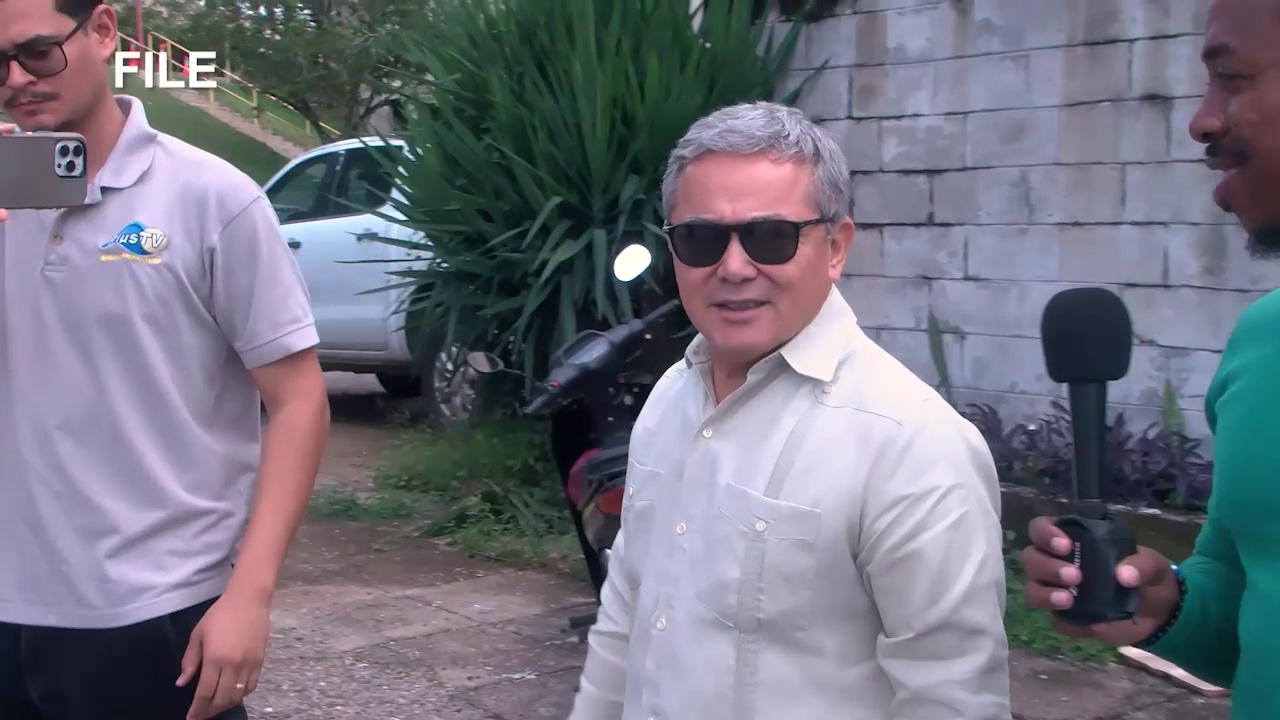
As Belize enters the decisive final stretch of its long-running territorial dispute case at the International Court of Justice (ICJ) against neighboring Guatemala, the Belizean government has publicly defended its decision to retain Alexis Rosado as co-agent on the country’s legal delegation, rejecting calls for his removal amid mounting public scrutiny.
Foreign Affairs Minister Francis Fonseca clarified that the administration’s decision is rooted in the explicit guidance of Assad Shoman, Belize’s lead agent for the ICJ case and a veteran negotiator who has dedicated more than 40 years to advancing Belize’s position on the territorial conflict. According to Fonseca, Shoman has repeatedly emphasized that Rosado’s deep institutional knowledge of the case, years of pre-trial preparation, and hands-on involvement at every stage of the process make him an irreplaceable member of the legal team as Belize prepares to counter Guatemala’s formal arguments.
Fonseca stressed that abrupt leadership changes at this critical juncture would introduce unnecessary disruption to Belize’s legal preparations, potentially undermining the country’s position ahead of what is set to be the most high-stakes legal proceeding in the dispute’s modern history. “The government, on this issue, is guided by the advice of the agent, Assad Shoman. He has worked, as you all know, for decades on this issue. So we are guided by his advice and he has made it clear to us that his co-agent, Mr. Rosado, is, in his view, vital to the ongoing work of this case,” Fonseca stated in an official address.
“So, we are guided by that. I think we would be irresponsible not to be guided by the agent who has worked on this case for decades. Remember, there is a lot of work still, in terms of Guatemala making their arguments, preparing for the case. We have to be able to respond to that. There are likely to be some motions that are put forward. We don’t know what will take place over the next few months, but with legal cases, you always have to be prepared, you have to be flexible, you have to be doing ongoing research, [and] look at different points. They believe that his continued presence on the team is very important for that ongoing work.”
The territorial dispute between Belize and Guatemala stretches back more than a century, with Guatemala laying claim to more than half of Belize’s current territory. The case was officially referred to the ICJ after a 2018 referendum in both countries, and the upcoming phase of oral arguments and procedural motions will set the stage for the court’s final binding ruling. Government officials argue that maintaining continuity in the legal team is the most pragmatic approach to protecting Belize’s national interests ahead of the ruling.