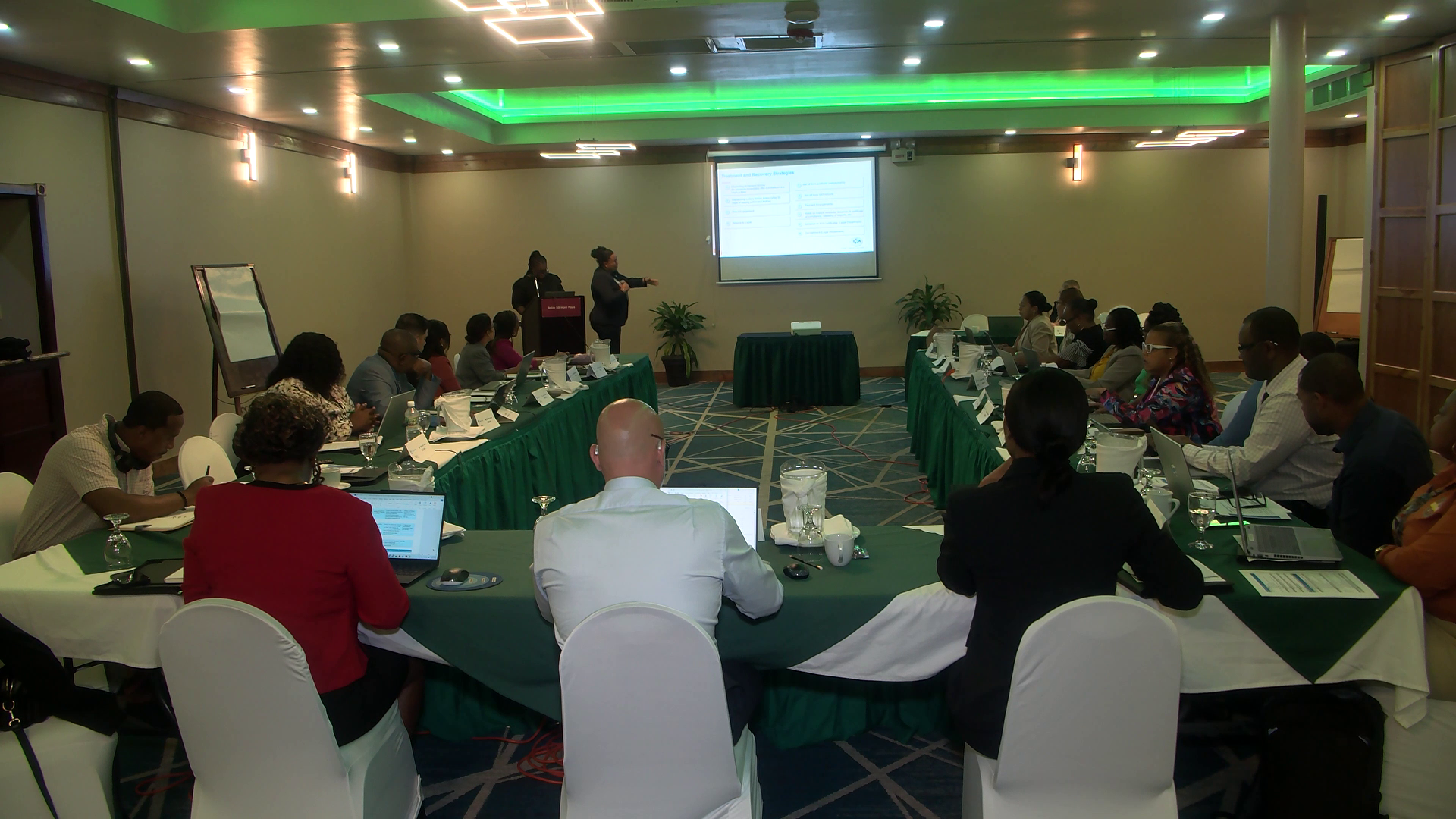
In early October 2026, tax administration leaders from six Caribbean nations gathered in Belize City for a regional Compliance Risk Management workshop, backed by the International Monetary Fund (IMF), to tackle one of the region’s most persistent governance and economic challenges: strengthening tax compliance and cutting mounting uncollected tax arrears.
For small open economies across the Caribbean, consistent, efficient tax collection has long been a struggle that limits public funding for infrastructure, healthcare, education and other critical government services. Designed and rolled out by IMF headquarters in partnership with the Caribbean Regional Technical Assistance Centre (CARTAC), the five-day workshop aims to equip regional tax bodies with targeted tools to identify emerging compliance risks, modernize risk assessment frameworks, and leverage data-driven systems to boost overall revenue collection.
Pauline Peters, the IMF’s lead representative for the initiative, outlined the program’s core mission in opening remarks. “We developed this project alongside our regional office CARTAC specifically to deliver targeted support to all Caribbean countries working to upgrade compliance risk management across the entire region,” Peters explained. “Over the coming days, participating nations will have dedicated space to exchange on-the-ground experiences and test evidence-based strategies that fit the unique context of small island economies.”
The collaborative format has already delivered proven results for participating nations, according to early feedback from attendees. Devon Deslandes, Chief Programs Officer for Jamaica’s Tax Administration, shared that regular participation in similar IMF-supported programs has transformed his agency’s performance. “Before these collaborative initiatives, we consistently missed our annual revenue targets,” Deslandes noted. “Since we started engaging in programs focused on structured compliance risk management, we have hit our revenue goals every single year, expanded compliance across the country, and restructured our operations to deliver far more effective results.”
For host nation Belize, the workshop aligns with ongoing domestic reforms to upgrade tax administration. Sharon Moya, Assistant Director General of the Belize Tax Service, outlined the concrete changes already underway in the country. “Belize has committed to specific actionable steps to improve compliance across our tax administration,” Moya said. “That includes building a formal risk register to systematically identify the unique challenges we face, map out mitigation strategies, and establish a standing committee that meets regularly to address evolving risks.”
While technological upgrades and formal risk frameworks are key pillars of the reform effort, regional officials agree that changing public attitudes toward tax payment remains one of the largest long-term hurdles. Across the region, tax authorities are ramping up public education campaigns and tailored outreach to reframe tax payment as a shared civic responsibility, rather than a punitive obligation.
Guyana has found early success in this area by segmenting taxpayers to deliver targeted engagement, according to Nicole Williams, Deputy Commissioner of the country’s Inland Revenue department. “It’s no secret that most people are reluctant to pay taxes, which is a challenge we face across the general population,” Williams explained. “The Guyana Revenue Authority responded by creating a segmented management system, including a dedicated division for large taxpayers, and over the past eight years, that group now boasts a very high compliance rate that has boosted overall revenue significantly.”
In Grenada, officials are focusing on public education to shift long-held cultural attitudes toward tax compliance. “Changing taxpayer morale and the broader tax culture among our citizens is an enduring challenge,” said Randy Cadette, Deputy Comptroller of Grenada’s Inland Revenue Department. “But our agency is intentionally working to bridge the gap between non-compliance and voluntary compliance. We are focusing heavily on making sure taxpayers have access to clear, accurate information to help them understand the role of taxes in funding public services, because we know that more informed taxpayers are far more likely to meet their obligations.”
Leaders from Barbados added that shifting away from a purely enforcement-focused model to a more supportive, education-centered approach has helped drive voluntary compliance. “No one responds well to immediate punitive enforcement measures,” noted Kathleen Pilgrim, Senior Manager of Enterprise Risk at the Barbados Revenue Authority. “We are working to implement the ‘softer side’ of compliance risk management, leaning into taxpayer education to build trust and encourage voluntary compliance, rather than relying on forced collection. We hope this approach will encourage more citizens to meet their tax obligations without the need for aggressive intervention.”
As the workshop continues through the end of the week, participants will dive deeper into targeted strategies for small island economies, with plans to develop cross-regional collaboration frameworks that will outlast the event. The initiative underscores the Caribbean’s collective commitment to strengthening public finance, unlocking sustainable development funding, and building more effective, trusted tax administrations across the region.