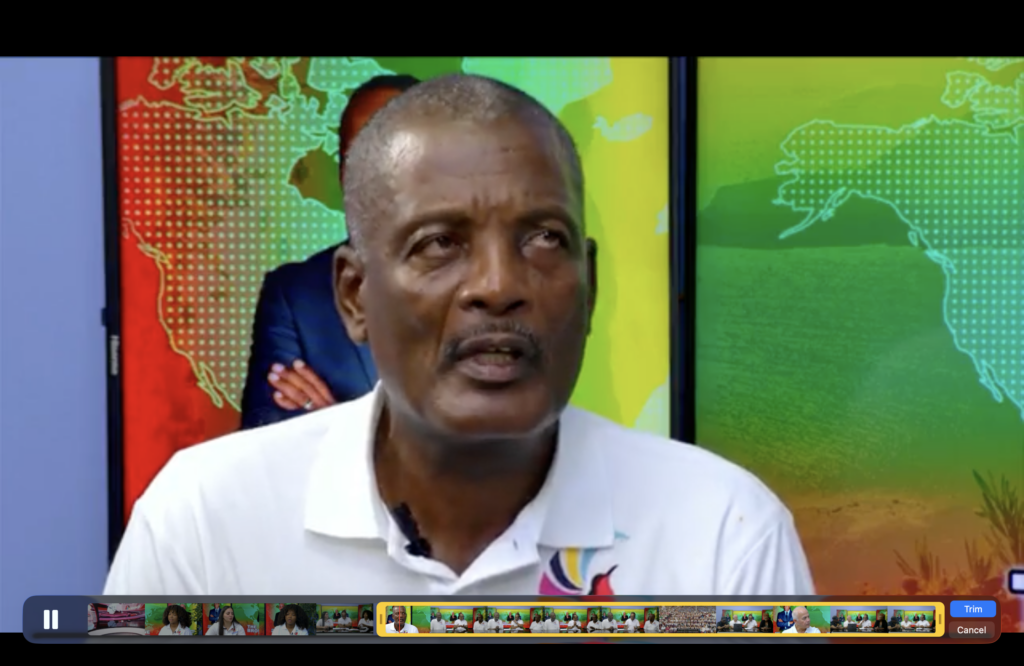
As Antigua and Barbuda prepares to host the Commonwealth Heads of Government Meeting (CHOGM), senior law enforcement officials have moved to reassure local communities that routine public safety services will not be sidelined by summit security operations. Superintendent Rodney Ellis, head of the national Police Traffic Department, publicly confirmed that frontline officers will remain deployed to respond to all daily criminal incidents across the twin-island nation throughout the high-profile international event.
Ellis made his remarks during an appearance on the popular weekend current affairs program, the Browne and Browne Show, where listeners and hosts raised pressing questions about resource allocation. A key point of public concern centered on whether sufficient personnel would stay assigned to common community policing duties, including responding to offences like residential home invasions, after hundreds of officers were reassigned to protect visiting heads of state, official accommodation, and the main conference venue.
Addressing these worries directly, Ellis emphasized that local policing priorities would not be displaced by the summit’s security requirements. “Definitely. Our local police will continue their duty,” he stated.
To manage the dual demands of securing CHOGM and maintaining routine public safety, Ellis explained that a joint security architecture has been assembled, combining local agencies with external support. Regional and international security personnel will reinforce the local operation, with every team of visiting officers or soldiers paired with local law enforcement members during deployment. The full roster of stakeholders includes the national police service, the Antigua and Barbuda Defence Force, the Office of National Drug Control and Policy (ONDCP), Customs, and Immigration, all working in lockstep with international and regional partner agencies.
Ellis outlined the layered security plan: 24-hour dedicated protection will be provided at all hotels hosting heads of government, foreign ministers, and other attending delegates, while standard patrols and response systems will remain fully operational across the rest of the country. He acknowledged that residents living in close proximity to summit venues will experience temporary disruptions to daily travel and access, but stressed that life outside these limited zones will continue as normal.
In closing, event organizers and security officials have issued a formal appeal for public patience and cooperation with temporary traffic measures, including road closures, mobile checkpoints, and restricted access zones that will be in place for the duration of the meeting.