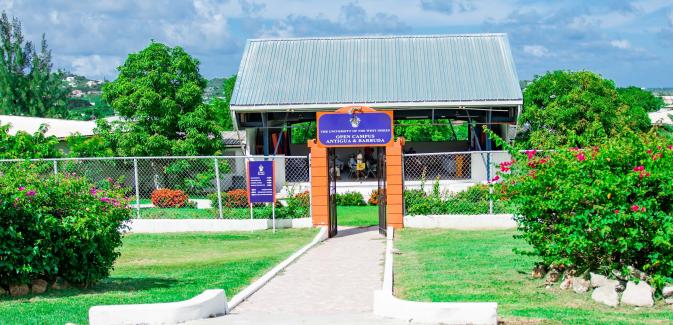
Students of The University of the West Indies (UWI) Global Campus, the institution’s online learning arm that serves distance learners across the Caribbean and beyond, are pushing for equitable treatment as the university prepares to bring back in-person examinations. Rebranded from the UWI Open Campus to better reflect its global reach, the Global Campus caters predominantly to non-traditional learners: working professionals, caregivers, parents, and community leaders who selected flexible online study because personal and professional responsibilities rule out on-campus attendance. When many current students enrolled, the university committed that their programs would be assessed entirely through coursework, a promise that is now being broken with the upcoming policy shift.
To clarify the student body’s stance: learners are not opposed to face-to-face examinations. They share the university’s commitment to academic rigor and want their UWI degrees to carry the same prestige and recognition as qualifications earned at the institution’s physical (landed) campuses. What they are demanding is fairness. Currently, Global Campus students are held to the same exam standards as their on-campus peers, but do not receive the same level of teaching support, infrastructure, or decision-making input as learners at landed campuses.
A side-by-side comparison of the two learning experiences highlights this gap. Students at UWI’s landed campuses have access to full-time lecturers who cover every course unit in depth, alongside regular guided tutorials, peer tutoring, follow-up practice materials, and immediate access to instructors for questions. None of these resources are reliably available to Global Campus learners.
Most online courses offer just four or fewer live teaching sessions per entire semester, with many sessions rushing through four to six units in one sitting, leaving students to unpack complex content independently. In some cases, live sessions are only used to discuss assignment logistics, with no time dedicated to teaching core course material. Assignments are often posted online with minimal guidance or explanation, and lecturer feedback on student work is consistently delayed. There are no structured tutorials, peer tutoring programs, or dedicated exam preparation sessions for most Global Campus courses.
As a result, the majority of online learners essentially teach themselves. They must navigate course content, interpret assignment requirements, and develop study strategies with almost no institutional support, leaving many uncertain whether they are focusing on the correct material or using effective study methods. This gap is especially acute for technical subjects like Accounting and Statistics, which require step-by-step instruction and hands-on practice to master. To compensate for the lack of university support, many students turn to free YouTube tutorials or pay out of pocket for external tutoring help — costs that come on top of already high tuition fees of over EC$1,000 per course.
Students are also pushing back against unfair stereotypes that question the validity of First Class Honours earned through the Global Campus. Learners reject this claim outright, noting that First Class Honours for online students are earned through extraordinary discipline, personal sacrifice, and independent learning, often while balancing full-time work and family caregiving responsibilities. If anything, these achievements demonstrate greater resilience and self-motivation than those of on-campus learners, and deserve equal respect. The double standard of holding online students to the same grading standards without the same support is fundamentally unfair, students argue.
Compounding these concerns is the fact that student feedback has been dismissed by university administration. The UWI Guild of Students organized a town hall meeting with examination and administrative leadership to share well-documented, evidence-based concerns about the return of face-to-face exams, but few questions received substantive answers. Many concerns were brushed off or cut short, leaving students feeling that administration approached the meeting with a closed mind rather than a willingness to collaborate. It is deeply concerning that a decision with such profound impacts on students’ academic trajectories is moving forward without meaningful input from the people most affected by it, learners say. University leaders must understand the unique reality of Global Campus students before imposing policies that will shape their futures.
Infrastructure readiness is another major sticking point. The Global Campus operates 17 regional sites to serve its distributed student body, but students confirm only two or three of these sites currently meet the standards required to host secure, functional face-to-face examinations. Reintroducing in-person testing before all sites have adequate space, trained staff, required equipment, and proper security protocols puts students at risk of disruptive testing conditions, unequal access, and unnecessary additional stress. Students question how the university can move forward with the policy when most testing sites are unprepared.
Overseas students, who make up a significant portion of the Global Campus student body, face additional unfair financial burdens. International learners will be charged an extra US$150 examination fee on top of their existing per-course tuition, and are required to source and secure their own approved proctoring centers. With tuition already exceeding EC$1,000 per course, the added cost with no corresponding improvement in teaching or support has left many international students questioning whether the university prioritizes institutional goals over student success and wellbeing.
Framing their demands as a collaborative effort to improve the Global Campus, students have put forward eight concrete recommendations for university leadership. First, they call for meaningful engagement: a follow-up meeting with the Guild of Students and the broader student body, written responses to all concerns raised at the original town hall, and a commitment to ongoing, respectful consultation before any further changes to examination policy. Second, they ask that teaching be strengthened before exams are introduced, with regular live lectures covering every unit of every course to ensure students receive proper instruction before being assessed. Third, they demand added academic support, including scheduled online tutorials, peer tutoring, practice exam questions, and revision sessions, starting with high-need technical subjects like Accounting and Statistics. Fourth, they call for improved lecturer responsiveness, with clear standards for feedback turnaround times and dedicated live office hours to eliminate long waits for student questions. Fifth, they ask that the university delay reintroduction until all 17 regional sites are confirmed ready, with a public readiness roadmap published for all students. Sixth, they call for a phased transition, with adequate notice and targeted support for students who enrolled under the original coursework-only assessment model. Seventh, they ask administration to review the new international exam fee, either eliminating or reducing the extra US$150 charge, helping students secure proctoring centers, and offering secure online proctoring as a cost-effective alternative. Finally, they demand clear, accessible public information covering all aspects of the new policy, including exam schedules, venues, costs, and available support services.
UWI Global Campus students emphasize that they are proud of their institution and deeply committed to upholding academic excellence. They are not asking for lower standards — they are asking for an equal opportunity to meet the existing high standards, and for their voices to be heard and respected by leadership. Students say they look forward to constructive dialogue with university administration to develop solutions that protect both the reputation and quality of UWI degrees and set every Global Campus student up for success, no matter where they live or learn. At its core, the movement rests on one simple principle: equal standards require equal support.