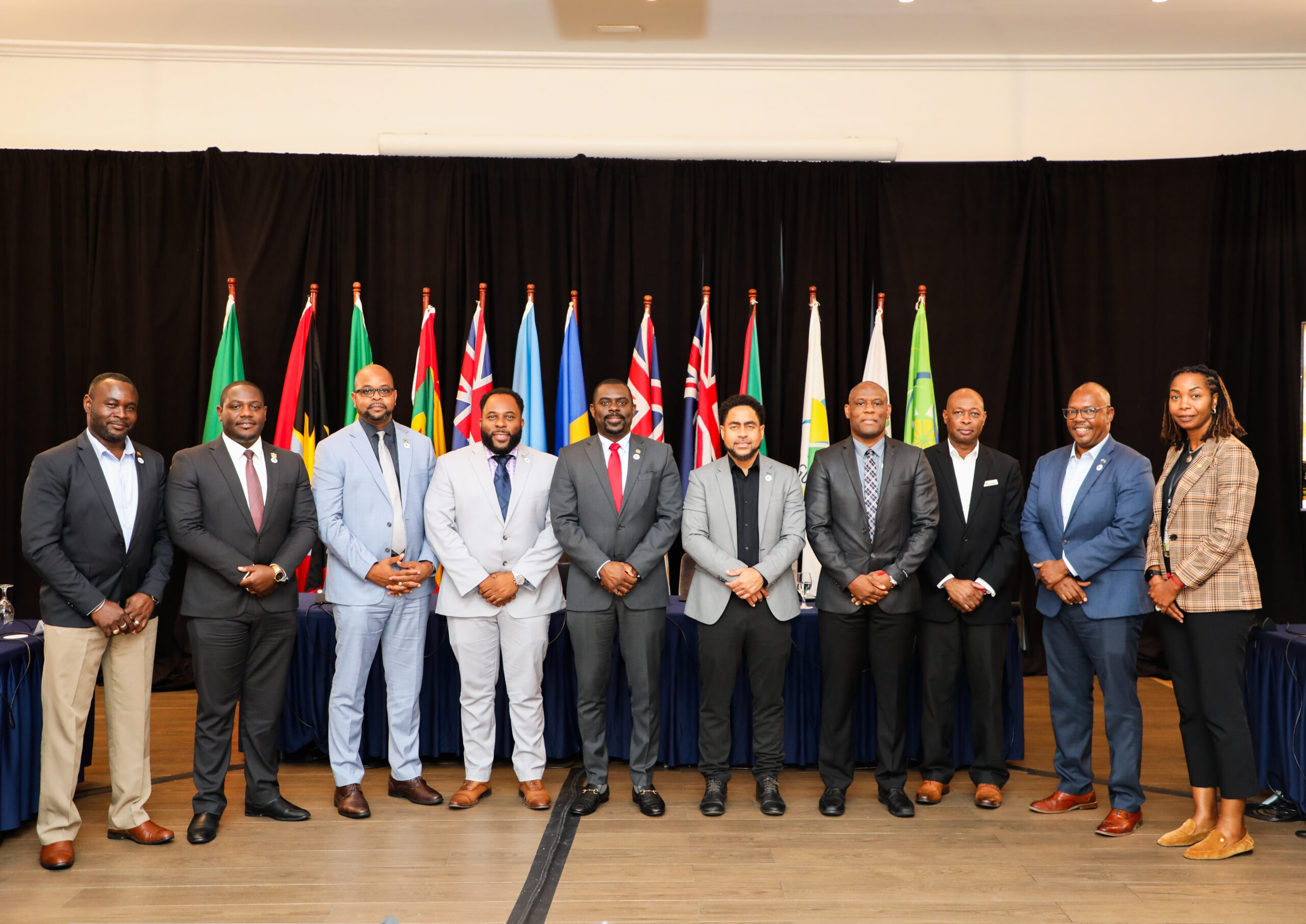
At a critical high-level gathering held alongside the 2026 Caribbean Week of Agriculture in Jamaica, top agricultural officials from the Organisation of Eastern Caribbean States (OECS) have been called to shift from endless discussion to tangible, time-bound action on long-debated regional food security and food sovereignty goals. The Third Special Meeting of the OECS Council of Ministers for Agriculture, convened on September 30, wrapped with a clear consensus: the bloc’s biggest barrier to feeding its populations more reliably from regional farms is not a lack of planning, but a persistent failure to turn existing frameworks into results. Details of the meeting’s outcomes were formally shared in an OECS public statement released October 16.
OECS Director General Dr. Didacus Jules delivered a blunt, urgent wake-up call to assembled ministers, emphasizing that food security cannot be delayed the way other policy priorities can. “A nation can defer a constitutional reform or postpone a highway. It cannot postpone dinner,” Jules said. He pushed back against vague rhetoric around food sovereignty, framing it as a non-negotiable fundamental right rather than an abstract ideal: “Food sovereignty is not romance; it is the right and the ability to decide what we grow, what we eat, and on what terms we trade. The world has accelerated faster than our implementation, and our greatest vulnerability remains the implementation deficit.”
Jules stressed that the bloc’s existing OECS Food and Agriculture Systems Transformation Strategy now requires concrete deadlines and actionable milestones, rather than incremental adjustments. He outlined core priority areas for immediate action: leveraging the region’s collective purchasing power to reduce input costs, establishing dedicated maritime shipping corridors exclusively for regional agricultural trade, harmonizing inconsistent food safety and production standards across member states, and protecting critical natural agricultural resources including native seed stocks, soil, water supplies, and pollinator populations.
The meeting also marked a formal transition in leadership: Saint Kitts and Nevis Agriculture Minister Samal Duggins took over the rotating chairmanship of the OECS Agriculture Council from outgoing chair John P. Osbourne of Montserrat. Duggins echoed Jules’ frustration with the status quo, highlighting a paradox that has stymied regional integration for decades: it is often simpler for OECS member states to import fresh produce from outside the Caribbean than to move agricultural goods between neighboring island nations. Even when local farmers produce surplus harvests, cross-island trade is blocked by a web of interconnected hurdles, including inadequate transport infrastructure, conflicting regulatory requirements, and restricted market access that keep regional produce out of neighboring markets.
Duggins laid out his clear agenda for his tenure, centering on removing these long-standing barriers while pursuing two additional strategic goals: expanding agricultural trade partnerships with African and South American nations, and creating more inclusive opportunities for young people and women to participate and lead in the regional agricultural sector. Echoing the call for implementation over discussion, Duggins said: “A strategy is only as powerful as our collective commitment to that fundamental word: ‘implement it’. Let this chairmanship be defined not by the number of meetings that we hold, but by the barriers that we remove, the markets that we open, and the opportunities that we create.”
Outgoing chair Osbourne also emphasized the need for greater urgency, highlighting progress during his tenure on core priorities including water resilience, climate-smart agricultural infrastructure, protected indoor farming systems, and improvements to inter-island transport for both passengers and agricultural goods. He aligned with the incoming leadership’s focus on accelerating delivery of existing plans.
Ministers also received updates and strategic input from two key regional partner institutions: the Inter-American Institute for Cooperation on Agriculture (IICA) and the Caribbean Development Bank (CDB). IICA Director General Dr. Muhammad Ibrahim aligned with the OECS’ priorities, highlighting the need to expand intra-regional trade, boost inclusion of youth and women in agriculture, and advance the creation of a regional shared seed bank to preserve native crop diversity. The CDB, meanwhile, outlined its ongoing investment work across OECS member states and identified new opportunities for deeper financial and technical partnership to support regional agricultural transformation.
By the end of the meeting, the council took two concrete first steps to turn discussion into action. Members agreed to establish a dedicated OECS Agriculture Task Force, tasked with developing bankable agricultural projects that can secure international and regional financing to move forward. An immediate 30-day deadline was also set: all member states must finalize and submit their feedback on a draft OECS Apiculture Policy, a measure designed to protect threatened bee populations and the critical ecosystems that depend on pollinators for survival. The full official statement from the meeting is available on the OECS press room website.