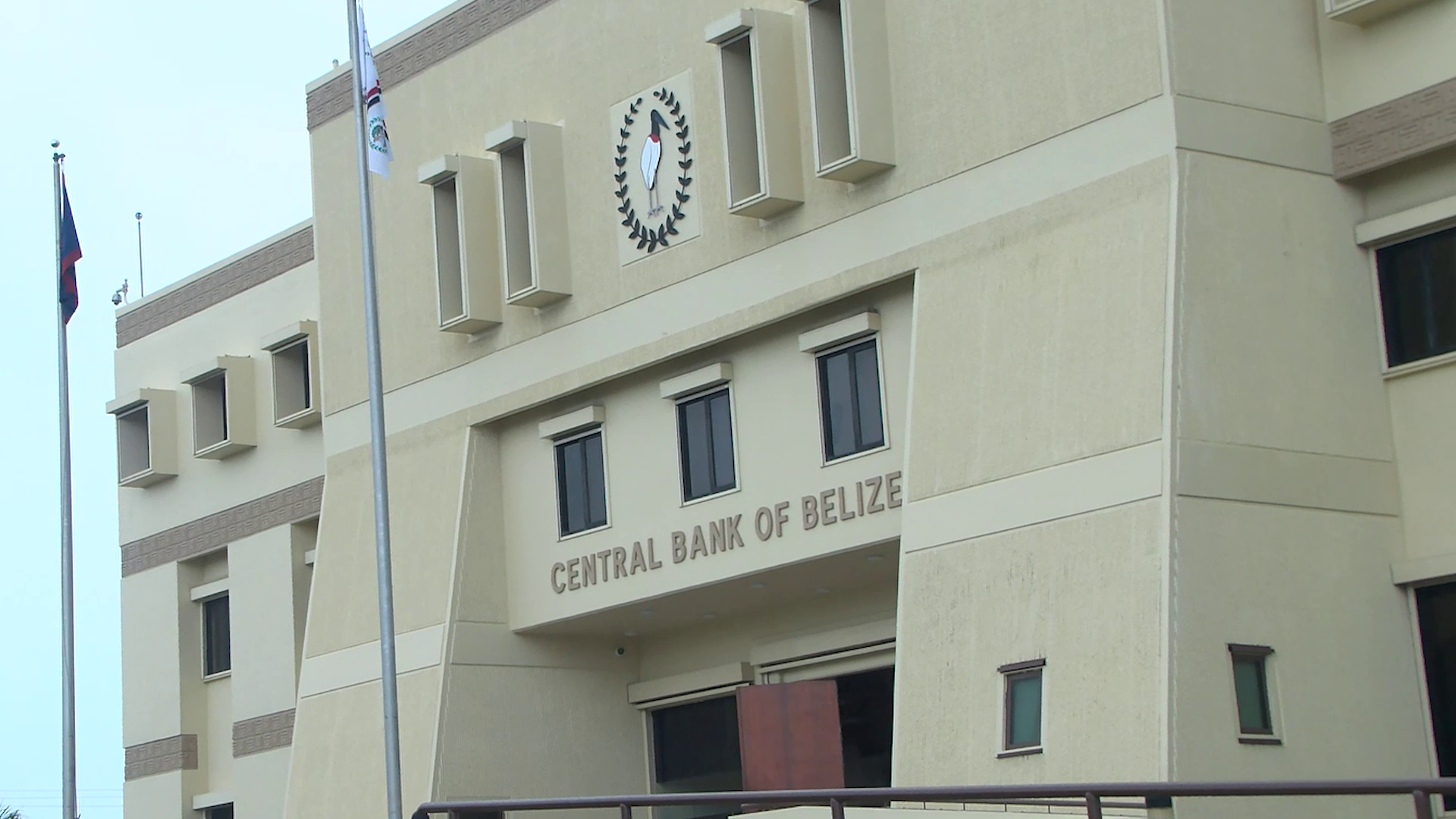
A new wave of financial fraud has emerged in Belize, where cybercriminals are abusing the trusted reputation of the Central Bank of Belize to trick members of the public into surrendering sensitive banking credentials via Google Meet calls. The scam, first reported in multiple public tips filed to the central bank, has prompted official warnings to consumers about the growing risks of impersonation fraud on widely used video call platforms.
According to Marcos Marin, IT Department Manager at the Central Bank of Belize, the institution has received dozens of reports from residents who received unsolicited Google Meet calls displaying the Central Bank of Belize as the caller. What looks like an official communication on the surface is actually a deliberate psychological manipulation tactic: scammers leverage the public’s trust in the country’s top financial regulator to lower their guard, Marin explained.
One potential victim, who spoke to local outlet News Five’s investigative journalist Paul Lopez on condition of anonymity, shared his firsthand experience with the scheme. The call came in around 1:30 p.m., he recalled, and the caller ID clearly showed the Central Bank of Belize’s name. Confused about why the central bank would contact him as an ordinary individual with no large-scale business holdings, he still chose to answer the call. After he said hello three times, no one directly responded, but he could hear background conversation in Belizean Creole before the call disconnected after just 21 seconds. Other recipients of similar scam calls have reported that callers with foreign accents eventually came on the line to request personal financial details.
Marcos noted that scammers specifically choose Google Meet for these attacks for one key reason: the platform makes it far easier for bad actors to conceal their true identities and cover their digital tracks, making tracing the origin of the calls extremely difficult. The core goal of the operation, he explained, is to build false trust by borrowing the central bank’s name. Once that trust is gained, scammers pressure victims to share passwords, PINs, account numbers, and other sensitive information that can be used to drain bank accounts or commit identity theft.
The Central Bank of Belize emphasizes that it will never reach out to members of the public via unsolicited calls or video conferences to request private financial credentials. For consumers who receive such calls, the bank’s guidance is clear: end the call immediately, refuse all requests for personal information, and report the incident directly to your primary financial institution.
The potential victim who spoke to News Five said he avoided falling for the scam because he had already received clear guidance from his personal banker: no legitimate financial institution will ever ask for sensitive credentials over an unexpected call. If there is a legitimate issue to resolve, consumers are always advised to visit their local bank branch in person to speak with a representative directly.
For consumers who have already shared sensitive information with these scammers, the Central Bank has outlined three urgent steps to minimize damage: first, immediately change all online banking passwords and PINs if possible; second, contact your financial institution right away to flag the incident and put extra protections on your account; third, closely monitor all account activity for any unauthorized or suspicious transactions over the coming weeks and months. The bank stressed that continuous transaction monitoring is a critical step to catch fraudulent activity early before major losses occur.
As of October 15, 2026, no major financial losses have been publicly linked to this specific scam ring, but officials warn that public vigilance remains the most effective defense against these increasingly common impersonation tactics.