The Child Protection Unit (CPU) is facing a critical staffing crisis that has stretched its capabilities thin, as official statistics show reports of child neglect have almost doubled over the first eight months of 2026 compared to the same period last year. In response, the national Department of Social Services has launched an urgent recruitment drive to bring on additional frontline staff capable of processing the growing backlog of abuse and neglect investigations.
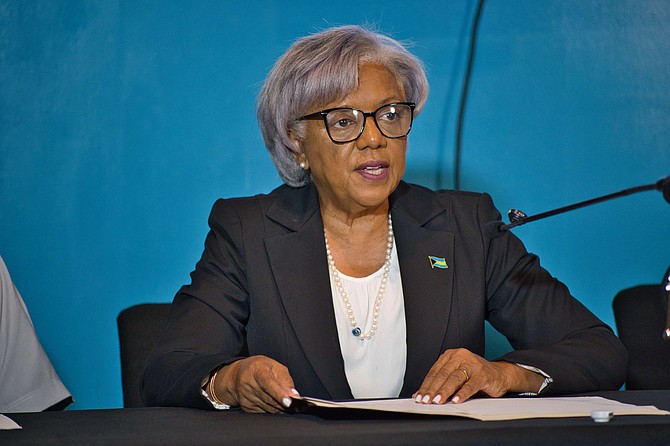
Speaking to reporters on Wednesday, Social Services Minister Senator Barbara Cartwright publicly confirmed the staffing gap, after being questioned about newly released departmental data. The figures paint a clear picture of rising demand for child protection services: between January and August 2026, 184 reports of child neglect were filed across the country, up sharply from just 94 reports in the same eight-month window in 2025.
“Many social workers had left the department over recent years, but a number of them are now choosing to return,” Cartwright told reporters. “Right now, we are in the active process of recruiting and hiring new social workers to fill out our ranks.”
The minister declined to share further details on what has driven social workers to leave the department, or how many additional positions the agency is looking to fill to meet current demand. She did note that she has held closed-door meetings with CPU leadership to discuss systemic improvements and expanded support for frontline staff, adding that the department is exploring broad changes to strengthen the entire child protection ecosystem, but offered no specific policy proposals to back up that statement.
The shortage of social workers comes as overall child protection case volumes have risen across the board. In addition to the jump in neglect reports, the department recorded 441 total child protection cases between January and August 2026, a slight increase from 429 cases in the same period of 2025. Reports of physical abuse climbed from 83 to 106 year-over-year, while claims of sexual abuse also rose marginally from 134 to 145.
When reporters pressed Cartwright on whether growing economic hardship and poverty were contributing to the sharp rise in child neglect reports, she acknowledged that household financial instability places disproportionate burdens on children, particularly impacting their ability to succeed in school.
“Children end up carrying the financial burdens of their parents,” she explained. “When a family is facing instability at home, kids go to school carrying that stress, and they simply cannot learn as well. I truly believe that if we lose our children, we lose our nation, that is why we have to prioritize addressing child poverty.”
Asked what immediate support the government is offering to at-risk families to prevent child neglect stemming from financial hardship, Cartwright emphasized that long-term improvement in household economic security is the core solution. “If we can lift up parents, they can lift up their children,” she said. “Parents need to upskill themselves, pursue better employment opportunities, explore the options that are already available to them, and work to improve their family’s overall circumstances.”
A senior ministry official, speaking on background to clarify the department’s processes, explained that child protection officers are tasked with investigating all reported claims where children are suspected to be in danger. Once an investigation is completed, cases that require formal intervention move to the court system, where judges determine whether it is necessary to issue a care order to remove a child from an unsafe home environment.