A heated parliamentary debate over the proposed Firearms Amendment Bill in Antigua and Barbuda has spilled over into a public dispute over the state of the country’s national forensic laboratory, a key piece of infrastructure for fighting gun-related crime. During the closing remarks of the debate, ruling party Senator Shenella Govia pushed back against criticism leveled by opposition Senator Jonathan Wehner, who dedicated a large portion of his address to questioning the functionality and progress of the lab, while arguing that the bill’s focus on harsher penalties does not go far enough to address the root of the country’s gun crime crisis.
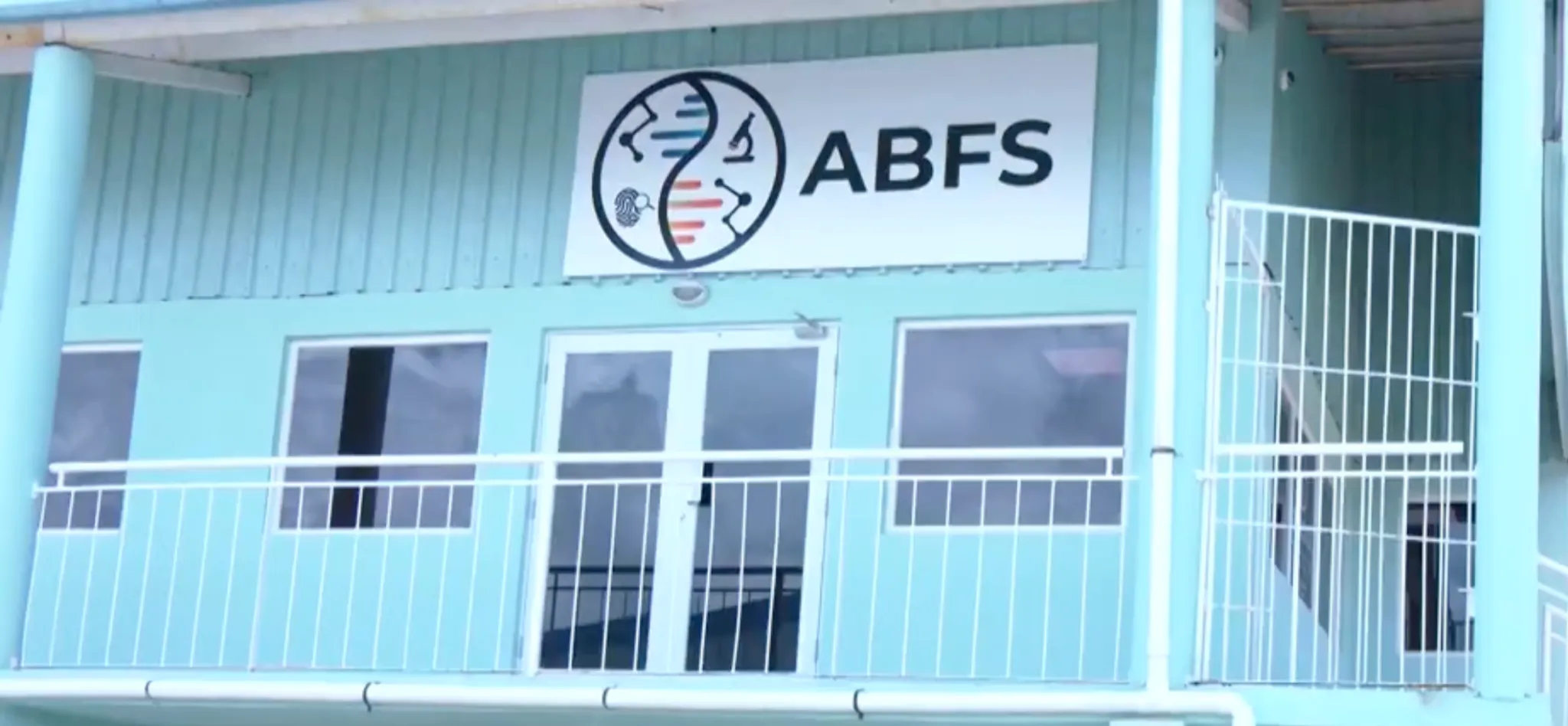
Govia offered new details about the facility’s current operational status, confirming that the lab is already up and running from its permanent location in a two-story building situated in Coolidge, in close proximity to the area’s main police station. To bring the facility up to modern operational standards, the national government has poured more than one million Eastern Caribbean dollars into upgrading its technical equipment, and the lab currently has at least one full-time forensic analyst on staff, with four additional new recruits undergoing on-site specialized training to expand the facility’s workforce capacity.
Admitting that the facility has not yet reached the government’s long-term operational goals, Govia framed the current progress as a meaningful foundational step forward. “We’re not where we want to be, but it’s a start,” she said, noting that the lab’s performance has already improved significantly compared to earlier phases of development. She also called out Wehner for diverting attention from the actual text and proposed changes in the amendment bill, arguing that his focus on the forensic lab meant he failed to adequately engage with the substance of the proposed legislation.
Wehner’s core argument, which preceded Govia’s closing response, centered on the idea that cracking down on gun crime requires more than just stiffer sentencing for offenders. He asserted that meaningful progress depends on boosting overall investigative capacity across law enforcement, alongside targeted proactive measures to prevent crime from occurring in the first place. Govia did not push back entirely on this broader point, acknowledging that additional sustained investment in the national police force remains a critical priority. She pointed to recent investments already made to strengthen law enforcement, including the purchase of new police vehicles completed in the previous year as part of ongoing capacity-building efforts.
Outlining the core purpose of the Firearms Amendment Bill, Govia explained that the legislation is designed to send an uncompromising message to individuals who use firearms to intimidate and terrorize communities across Antigua and Barbuda. She expressed confidence that the enhanced penalties laid out in the amendment will act as a meaningful deterrent to gun-related offending, and confirmed her full support for moving the bill forward.