The twin-island nation of Antigua and Barbuda has officially restarted work on building out its national Universal Health Coverage (UHC) framework, marking a critical milestone in the government’s push to deliver equitable, affordable care for all residents. Officials have positioned National Health Insurance (NHI) as the central policy tool to reach this goal, aiming to eliminate the financial barriers that prevent many people from accessing life-saving essential care.
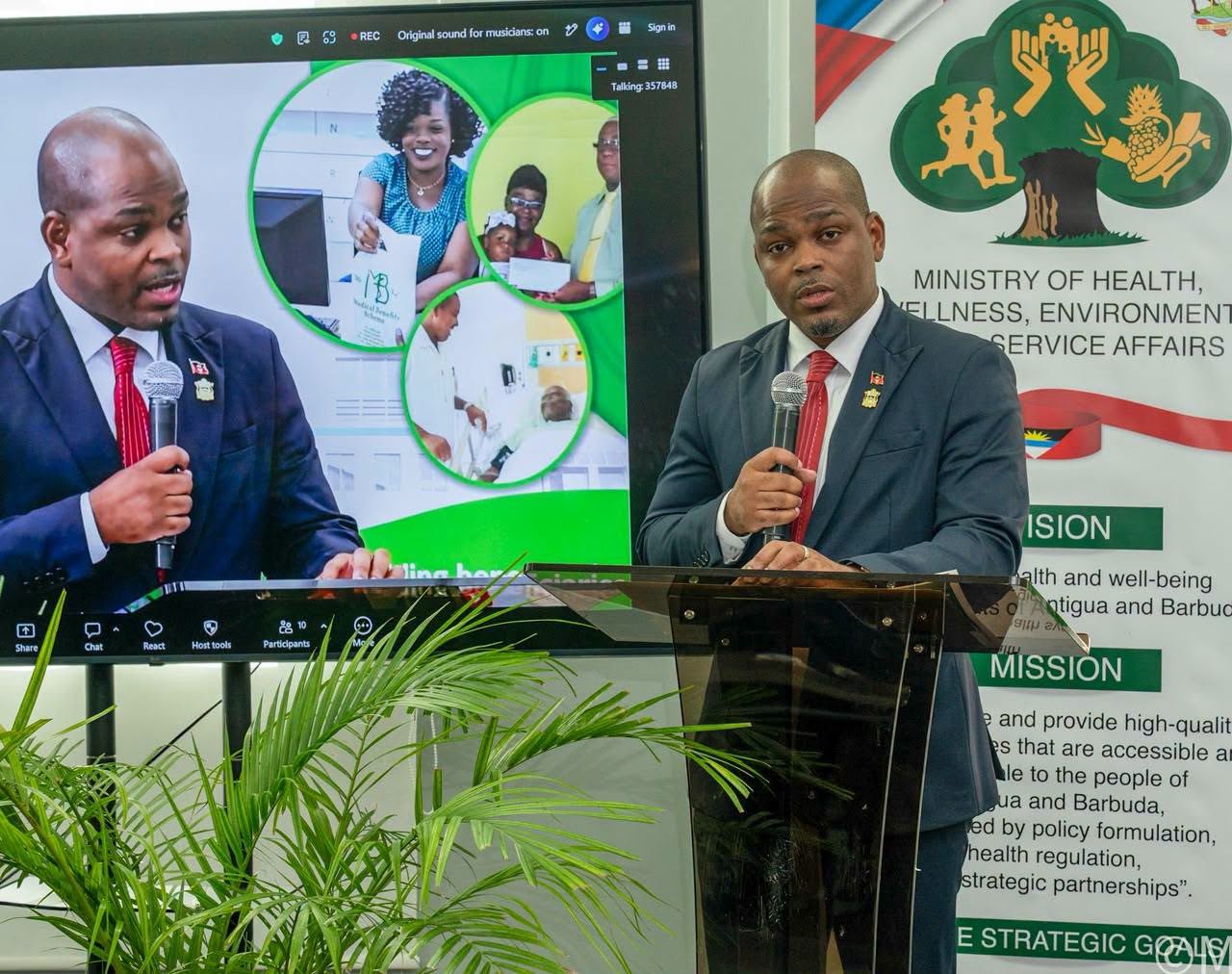
On October 12, 2026, the Ministry of Health, Wellness, Environment and Civil Service Affairs brought together the UHC Steering Committee for an inaugural working meeting at the John E. St. Luce Finance & Conference Centre. The gathering officially relaunched the UHC initiative, with key agenda items including formalizing the committee’s membership and core responsibilities, standing up specialized technical subcommittees, and advancing foundational preparatory work to guide the program’s design and rollout.
High-level stakeholders in attendance included Health Minister Michael Joseph, Medical Benefits Board Chairman Sir Lionel Hurst, Medical Benefits Scheme (MBS) CEO Kevin Silston, Health Ministry Permanent Secretary Hildred Simpson, alongside senior technical leaders from both the Ministry and the MBS.
In his opening address to the committee, Minister Joseph reaffirmed the administration’s unwavering commitment to building a healthcare system that delivers higher quality, more accessible, equitable, and financially sustainable care for every person across Antigua and Barbuda.
“At its core, Universal Health Coverage is centered on people,” Joseph stated. “It guarantees that every Antiguan and Barbudan can get the high-quality, appropriate care they need without falling into financial hardship. This core principle must anchor every part of our work moving forward.”
The minister emphasized that UHC is far more than just a new financing model for healthcare; it demands a comprehensive overhaul of how health services are structured, funded, and delivered across the country. He acknowledged that while the government has already made significant progress in expanding service offerings, strengthening health institutions, and investing in training for medical workers, critical gaps remain. These gaps include uneven access to care across populations, insufficient financial protection for households facing unexpected medical costs, and an inflexible system that struggles to adapt to the evolving health needs of the public.
Joseph also took time to clarify a common point of confusion between the two policy concepts: UHC is the government’s overarching national goal, while NHI is the primary mechanism selected to achieve that vision. The current plan calls for transforming the existing Medical Benefits Scheme into the new National Health Insurance Programme, a shift designed to expand access to essential care, cut down on out-of-pocket medical spending that burdens households, and strengthen financial safety nets – especially for the country’s most vulnerable groups.
Minister Joseph stressed that the final program must be tailored specifically to Antigua and Barbuda’s unique national context, while also meeting strict standards of fiscal responsibility, administrative functionality, and long-term sustainability. He paid tribute to earlier foundational work completed by the Health Economics Unit of the University of the West Indies, noting that the current effort builds on that existing research. The Steering Committee’s immediate priority is to review that earlier body of work against the country’s current social, economic, and demographic context, identify unaddressed gaps, and develop actionable, practical policy recommendations.
Moving forward, the full Steering Committee will oversee and coordinate all stages of the UHC development process. The newly formed technical subcommittees will dive deep into key priority areas, including sustainable healthcare financing, the scope of covered benefits, system governance, required legislative updates, and models for service delivery. Their findings and analysis will shape the final recommendations for the structure and operations of the new NHI program and broader UHC framework.
Joseph further underscored the critical importance of broad-based stakeholder participation throughout the development process. He noted that the program must draw on the specialized expertise of frontline healthcare workers, institutional leaders, and technical specialists, while also centering the perspectives and needs of patients, local communities, employers, and working people.
Three core guiding questions will shape all deliberations moving forward: First, what essential health services should every resident be guaranteed access to? Second, how can these services be funded in a way that is both fair and financially sustainable over time? Third, how can the system protect vulnerable groups while upholding high standards of care and accountability for all stakeholders?
The government has set an aggressive but achievable timeline for the initiative: all design and preparatory work for the program is targeted for completion by the end of 2027, with full implementation scheduled to launch in January 2028. The Steering Committee will consolidate all stakeholder input and technical analysis into a unified national framework for government consideration, while the Ministry of Health will support required policy decisions, regulatory approvals, and pre-implementation preparations.
Acknowledging that the country operates with limited public resources and must balance competing national priorities, Joseph stressed that all recommendations must be rooted in robust evidence, and the final system must be built to last for generations.
The official relaunch of the UHC development process represents a major step forward in Antigua and Barbuda’s multi-year effort to advance universal healthcare. With NHI as its core mechanism, the initiative aims to deliver stronger financial protection for households, expand access to life-saving essential services, and build a more equitable, sustainable national health system for all residents.