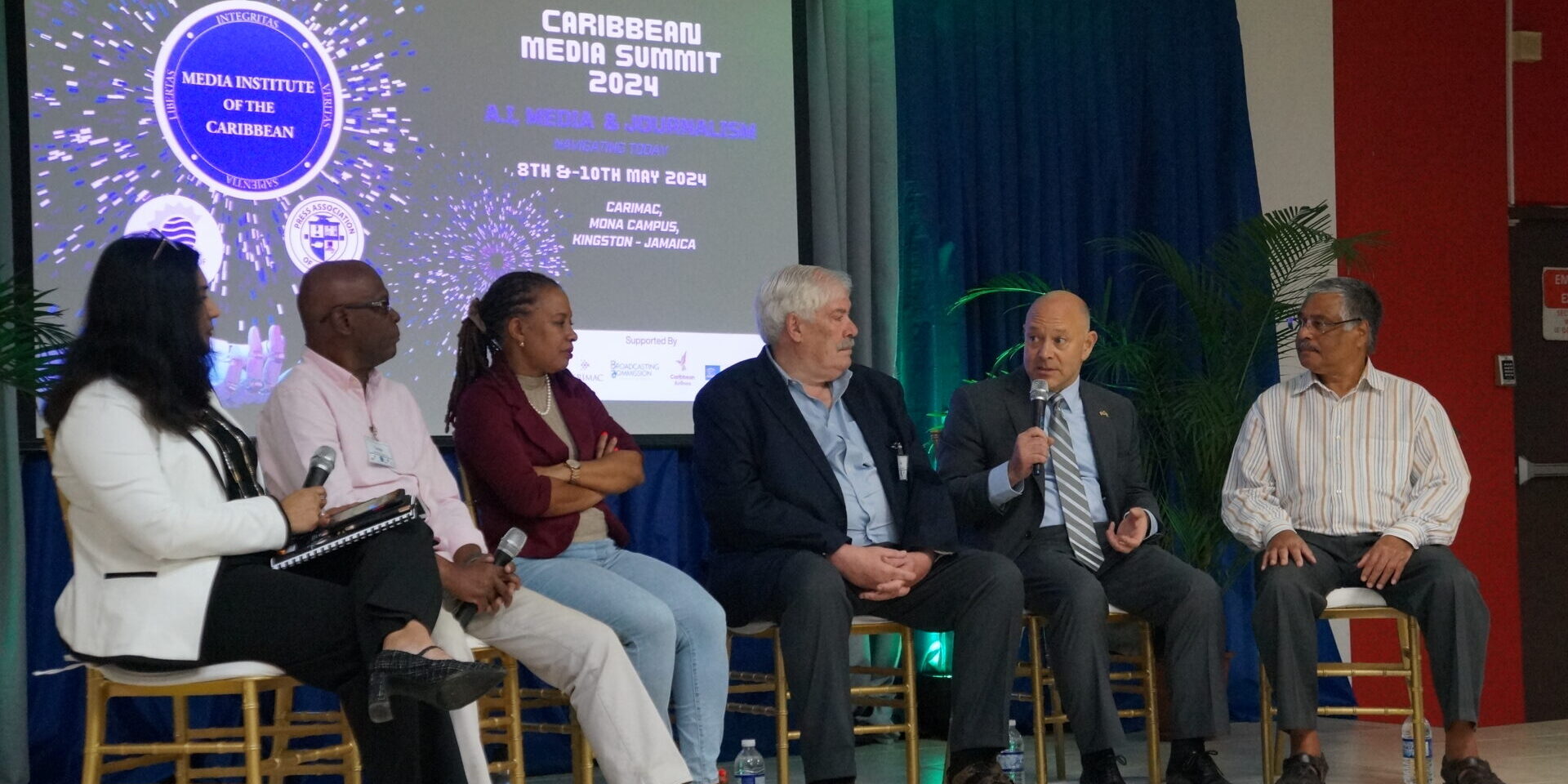
The Media Institute of the Caribbean (MIC) has achieved a landmark milestone in its regional media development mission, earning official approval for consultative status with the United Nations Educational, Scientific and Cultural Organization (UNESCO). This formal recognition, granted during the 225th session of UNESCO’s Executive Board held in Paris, makes MIC only the second non-governmental organization from the English- and Dutch-speaking Caribbean to receive this prestigious designation.
The new consultative status formally acknowledges MIC’s longstanding contributions to advancing UNESCO’s core strategic goals across multiple priority areas: inclusive media development, expanded public access to information, long-term media sector viability, universal media and information literacy, and the protection of global freedom of expression. Beyond formal recognition, the designation is expected to unlock unprecedented collaborative opportunities to address pressing, evolving challenges reshaping the Caribbean’s media ecosystem.
Eric Falt, UNESCO’s Regional Director and Representative for the Caribbean, emphasized that the partnership will now leverage MIC’s nuanced, on-the-ground understanding of regional media dynamics. Falt noted that this deeper collaboration will strengthen the sector’s overall resilience, spur innovation in news production and distribution, and expand equitable access to information for communities across all Caribbean nations.
Founded seven years ago, MIC has built a robust track record of supporting regional media through a multifaceted approach that combines original research, evidence-based policy recommendations, hands-on professional development, and targeted support for industry stakeholders. To date, the institute has trained more than 800 journalists across the Caribbean and delivered over 4,000 hours of one-on-one and group mentorship for emerging and mid-career media professionals. Its work also extends to convening cross-sector regional dialogues, facilitating knowledge exchange between media practitioners, civil society groups, and international development partners to address systemic challenges facing the industry.
MIC has maintained a close, collaborative working relationship with UNESCO since 2020, co-designing and implementing a range of initiatives to strengthen information access and reinforce Caribbean media ecosystems. Key joint projects include the regional flagship program *Strengthening Information Integrity and Media Resilience in the Caribbean*, alongside large-scale capacity-building programs, original industry research, and inclusive policy dialogue platforms.
In 2022, MIC led the global pilot launch of Jamaica’s Media Viability Indicators Study, a groundbreaking effort to measure the economic health of local news sectors. More recently in 2025, the institute published a landmark report *Disasters and Crises in the Caribbean Region: A Review of Experiences in Seven Countries*, developed with research and funding support from UNESCO.
Kiran Maharaj, President of MIC, framed the new consultative status as both a significant institutional achievement and a rare platform to center Caribbean perspectives in global media policy debates. Maharaj highlighted key priority areas where regional on-the-ground experience can offer unique insights to global conversations, including information integrity, the impact of artificial intelligence on news ecosystems, long-term media viability, and strengthening media resilience during climate disasters and public emergencies.
Looking ahead, the UNESCO designation positions MIC to deepen its institutional partnership with the global body while advancing its core mission: advocating for a stronger, more resilient, and financially sustainable independent media sector across the entire Caribbean region.