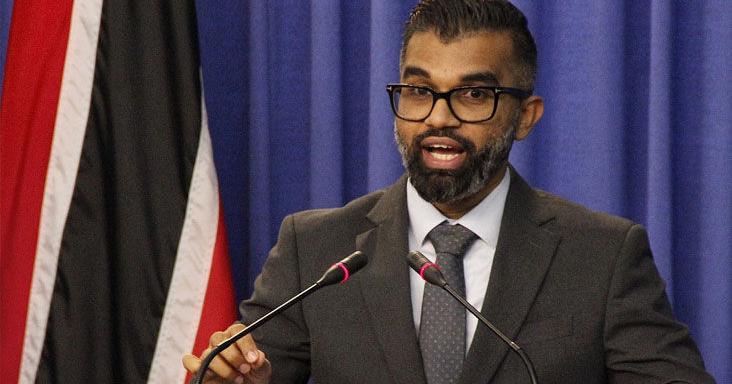
A recent cabinet reshuffle in Trinidad and Tobago has expanded the responsibilities of two senior government ministers, as the administration pushes for greater bureaucratic efficiency and targeted progress on key national priorities including land regularisation and youth workforce development.
Saddam Hosein, Minister of Land and Legal Affairs, says the new land-related entities and programs transferred to his portfolio will cut through long-standing red tape that has slowed progress on state land development and formalisation. The Ministry of Land and Legal Affairs was created exactly one year ago by Prime Minister Kamla Persad-Bissessar, and Hosein highlighted a string of tangible achievements from the ministry’s first 12 months in a recent interview with the *Sunday Express*.
Over the past year, Hosein said his team prioritized land regularisation and secure land tenure, resolving hundreds of unresolved cases that had sat inactive for decades. Key deliverables include distributing more than 800 land leases to former Caroni workers, issuing over 250 Certificates of Comfort, appointing nearly 100 new marriage officers and justices of the peace, and rolling out bedside birth registration for new parents. The ministry also advanced major housing development projects, with 100 new residential units set to be completed and put up for sale in the near term.
On the legislative front, the ministry passed updates to digitize Trinidad and Tobago’s official body of laws, and resolved long-outstanding land acquisition claims in both Tobago and the Caura area, clearing the way for the Housing Development Corporation to distribute new housing units.
For Hosein, the transfer of additional responsibilities to his ministry is a logical step to consolidate fragmented land governance. “With these added portfolios it will further streamline many of the existing and burdensome land related matters to assist with the development and regularisation of these land,” he explained. Beyond just formalizing land ownership, he frames the government’s land distribution work as a tool for equitable economic empowerment. “At the Ministry of Land and Legal Affairs we look at the distribution of land as restoring dignity and giving citizens a future with an asset they can use as generational wealth,” Hosein said. He thanked Persad-Bissessar for the added trust and expressed full confidence his team would continue delivering results.
The second minister to receive an expanded portfolio is Public Utilities Minister Barry Padarath, who has now taken on oversight of the national On-the-Job Training (OJT) Programme. Padarath said he embraced the new role with enthusiasm, noting it gives him greater opportunity to invest in the next generation of Trinidad and Tobago’s workforce. “I accept the added responsibility with a great degree of alacrity towards helping our nation’s youth. It is a great opportunity to contribute towards the professional development of our young people,” he told the *Sunday Express*.
Padarath pushed back against any suggestion that periodic cabinet reshuffles are abnormal, framing the adjustments as a deliberate strategy to match ministerial skills to policy needs and improve government performance. When the current administration took office, he claimed, most ministries were left in major disarray, requiring ongoing structural tweaks to boost efficiency. “All of the ministries were in shambles when we took over, therefore changes will be needed from time to time for greater efficiency,” Padarath said. He added that many long-standing government programs had become stagnant and failed to evolve with changing national needs, and Persad-Bissessar’s adjustments create space for ministers to drive much-needed reform.
His comments align with the Prime Minister’s own stated approach to governance: Persad-Bissessar has confirmed that she will continue adjusting the administration’s structure as needed to boost efficiency and reduce government waste, noting that effective governance must evolve to match changing circumstances. Padarath welcomed the Prime Minister’s ongoing, proactive review of government structures and programs, saying her willingness to make bold, necessary changes is a key strength of the administration. “I am happy the PM is keeping a constant eye on portfolios and schedules, she is constantly evaluating where government policy is being adhered to and she is willing to take the bold decisions that are needed to bring about change,” he said. The latest reshuffle, he added, is part of a broader effort to repair and integrate the fragmented governmental system the current administration inherited from its predecessor.