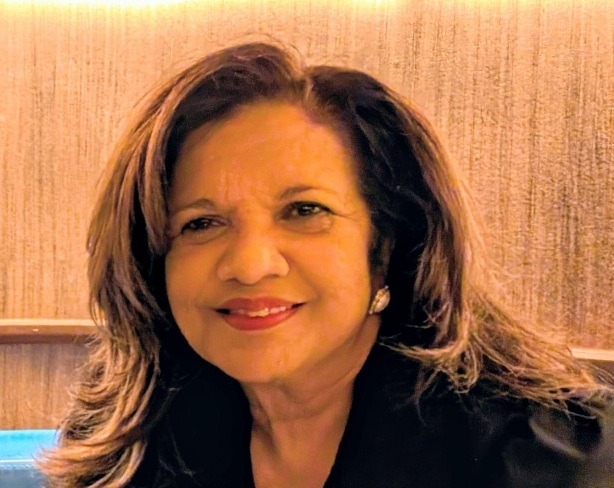
A high-profile legal case wrapped up this week with a sentencing decision for Ingrid Innes, the 70-year-old former chief executive of the Insurance Corporation of Barbados Limited, who pleaded guilty to a single count of conspiracy to commit money laundering.
In handing down the sentence, U.S. District Judge Kiyo Matsumoto took the unusual step of sentencing Innes to only time served, paired with a $7,000 fine, after accounting for her diagnosis of stage three pancreatic cancer, which ruled out additional prison time. Beyond financial penalties, Innes — who was born and raised in Guyana and holds Canadian citizenship — has been permanently barred from re-entering the United States as part of the court’s ruling. She was also ordered to pay a mandatory $100 court assessment fee.
The legal proceedings included a request for the court to investigate and potentially seize assets currently held in Innes’ husband’s name. These assets include a private residence appraised at $1.3 million and an investment property valued at an additional $500,000. No restitution order has been issued in the case, however, as no individual or entity has stepped forward to claim direct victimhood in the conspiracy.
Innes’ charges stem directly from a years-long bribery scheme that first came to light with the 2020 conviction of former Barbadian government minister Donville Inniss, who ultimately served two years in U.S. federal prison for his role in the scheme. During Inniss’ 2020 trial held in Brooklyn, New York, prosecution testimony laid out how co-conspirators created false internal invoices to disguise illegal payments. Two invoices were specifically flagged: one for $16,536.73 generated in 2015, and a second for $20,000 created in 2016. These fake invoices were used to launder payments that were ultimately routed to Crystal Dental Lab, Inniss’ dental business based in the U.S.
Innes has stated that when she was asked to approve the payments in question, she was told they covered legitimate consulting fees. She further claimed she was informed that in Barbados, it is neither uncommon nor illegal for sitting Members of Parliament to own private businesses — including consulting firms — and to accept campaign contributions from government contractors.