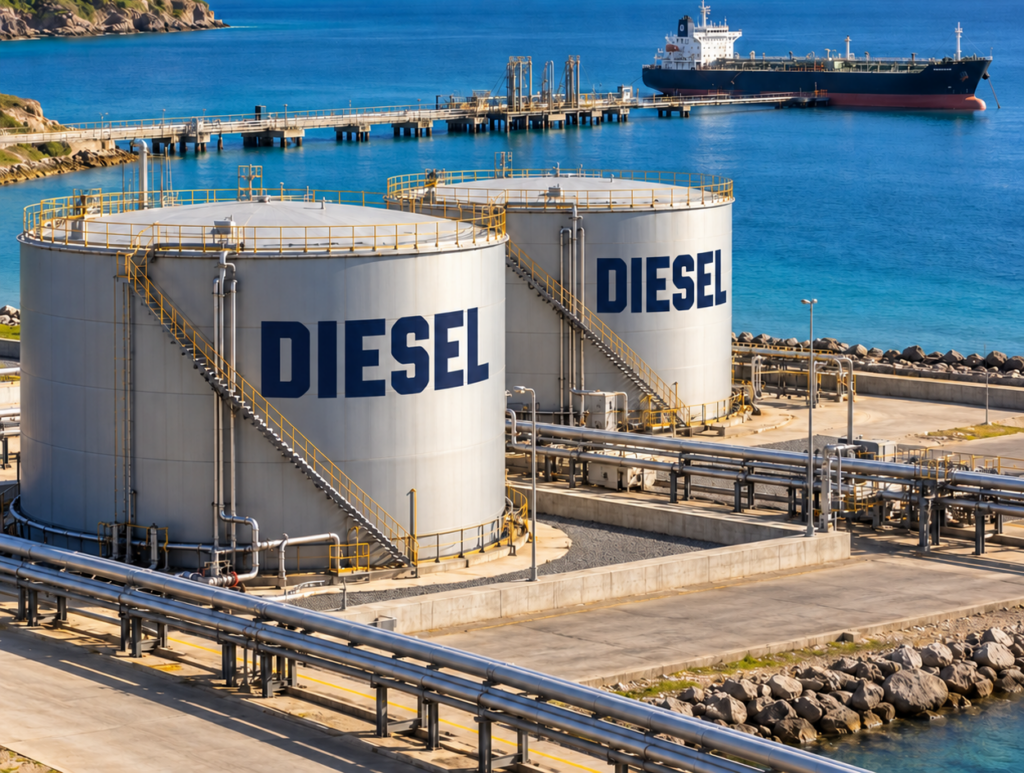
As small island nations in the Caribbean grapple with growing global energy market volatility, Antigua and Barbuda is actively considering a bold pre-emptive measure: building a multi-month strategic reserve of diesel to insulate itself from potential supply disruptions and price spikes. Prime Minister Gaston Browne laid out the government’s ongoing deliberation during an appearance Saturday on Pointe FM’s popular *Browne and Browne Show*, revealing he had already consulted with top energy official Gregory Georges on the feasibility of the plan, which leans on the country’s existing fuel storage infrastructure to accommodate the expanded reserve.
Browne framed the proposal as a risk-reward calculation that pits short-term fiscal trade-offs against long-term energy security. The core downside of moving forward with bulk purchases now, he acknowledged, is the current elevated price environment. If the government locks in large volumes at today’s high rates and global prices decline later this year, it will be stuck holding overpriced inventory, eliminating the opportunity to pass down future price drops to consumers already stretched by cost-of-living increases. Despite this financial risk, Browne argued energy security must take priority: “We’re better off having diesel at a high price than having none,” he stated.
The prime minister tied the urgent consideration of stockpiling directly to growing anxiety over potential restrictions on United States diesel exports. Antigua and Barbuda, like most small Caribbean economies, relies almost entirely on imported fuel to power its transportation, electricity grid, and key tourism infrastructure. A sudden cut-off or reduction of US exports would send shockwaves through the local market, leading to shortages and crippling price increases that could disrupt daily life and the national economy. Browne emphasized that he has not confirmed any imminent export ban, only flagged the underlying risk that such a policy shift poses for import-dependent nations.
Currently, the Antigua and Barbuda government already uses consumer subsidies to offset a portion of rising international diesel prices for residents. Even with this support in place, Browne warned that continued upward pressure on fuel prices would strain both household budgets and government finances, urging local residents to cut back on non-essential fuel consumption wherever possible to reduce overall demand.
As of Saturday’s announcement, no final decision has been made. Browne did not disclose details including the target volume of diesel for the reserve, the projected total cost of the bulk purchase, or a timeline for when the government will conclude its deliberations and announce a formal way forward.