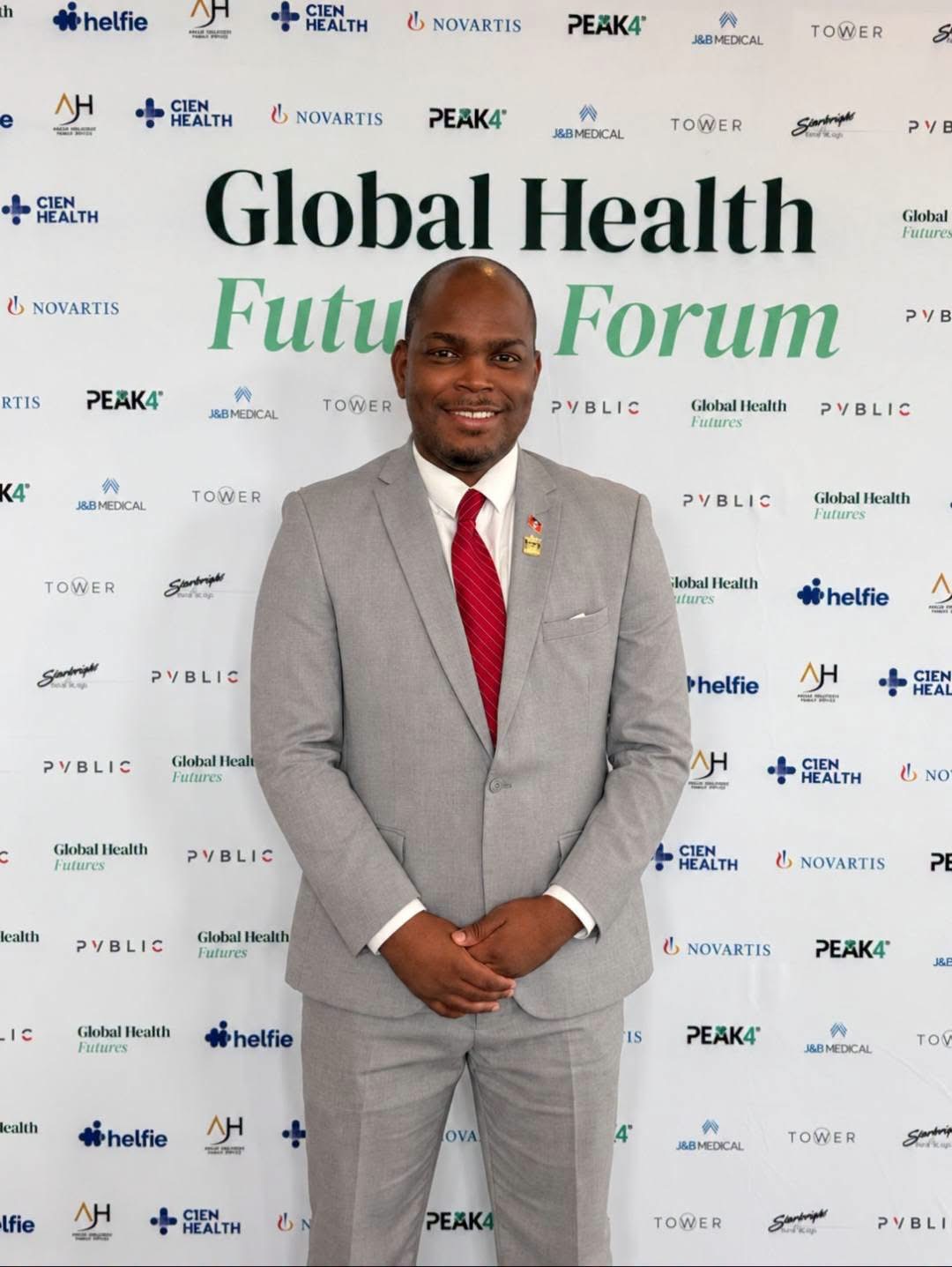
At the United Nations Headquarters on Wednesday, the Global Health Futures Forum convened cross-sector leaders from government, clinical care, technology, finance and philanthropy to collaborate on actionable strategies for boosting global health outcomes. Opening the forum’s keynote segment, Michael Joseph, Minister of Health, Wellness, Environment and Civil Service Affairs of Antigua and Barbuda, issued a pressing call for strengthened global partnerships and immediate targeted investment to shore up fragile health systems in small island developing states.
Minister Joseph outlined how his nation is leveraging data-driven planning to stretch constrained public resources, directing limited funds to interventions that deliver the maximum public health and quality-of-life impact. Two key local initiatives highlight this approach: a scalable program that expands affordable access to reading glasses for residents living with presbyopia, which preserves working ability and boosts daily quality of life, and a proactive public health campaign that will deliver vision screenings to 16,000 school-aged children to catch undiagnosed vision impairments early.
Addressing forum attendees, Joseph noted that countless children grow up unaware their blurred vision is an untreated, correctable condition, assuming their limited visual experience is how the world naturally appears. “Early screening gives us the chance to identify a problem and help a child before it affects years of learning,” he explained. This preventive intervention not only supports children’s educational progress but also removes long-term barriers to economic mobility that undiagnosed vision issues often create.
The minister also acknowledged the transformative potential of emerging health technologies, particularly artificial intelligence, pointing to promising use cases ranging from rapid stroke risk assessment to advanced analysis of ophthalmic imaging. However, he emphasized that cutting-edge innovation cannot deliver benefits to small island communities without parallel investment in core health infrastructure. New tools, he argued, are useless without the foundational systems, essential medical supplies, diagnostic hardware and trained workforces required to deliver care to local populations.
For small island developing states like Antigua and Barbuda, unmet core health needs are compounded by overlapping structural challenges: recurring climate disasters that disrupt health services and drain public budgets, and chronically tight government finances that leave little room for large-scale infrastructure investment. To build a more equitable, resilient global health system that serves all communities, Joseph said, global partners must commit to investing in both immediate unmet needs and long-term innovative development.
“Before we can talk about the future of healthcare, we have to address what people need today,” Joseph stated. “We see real opportunity in new technology, but governments like ours cannot build the necessary capacity alone. We need partnerships and investment now.”