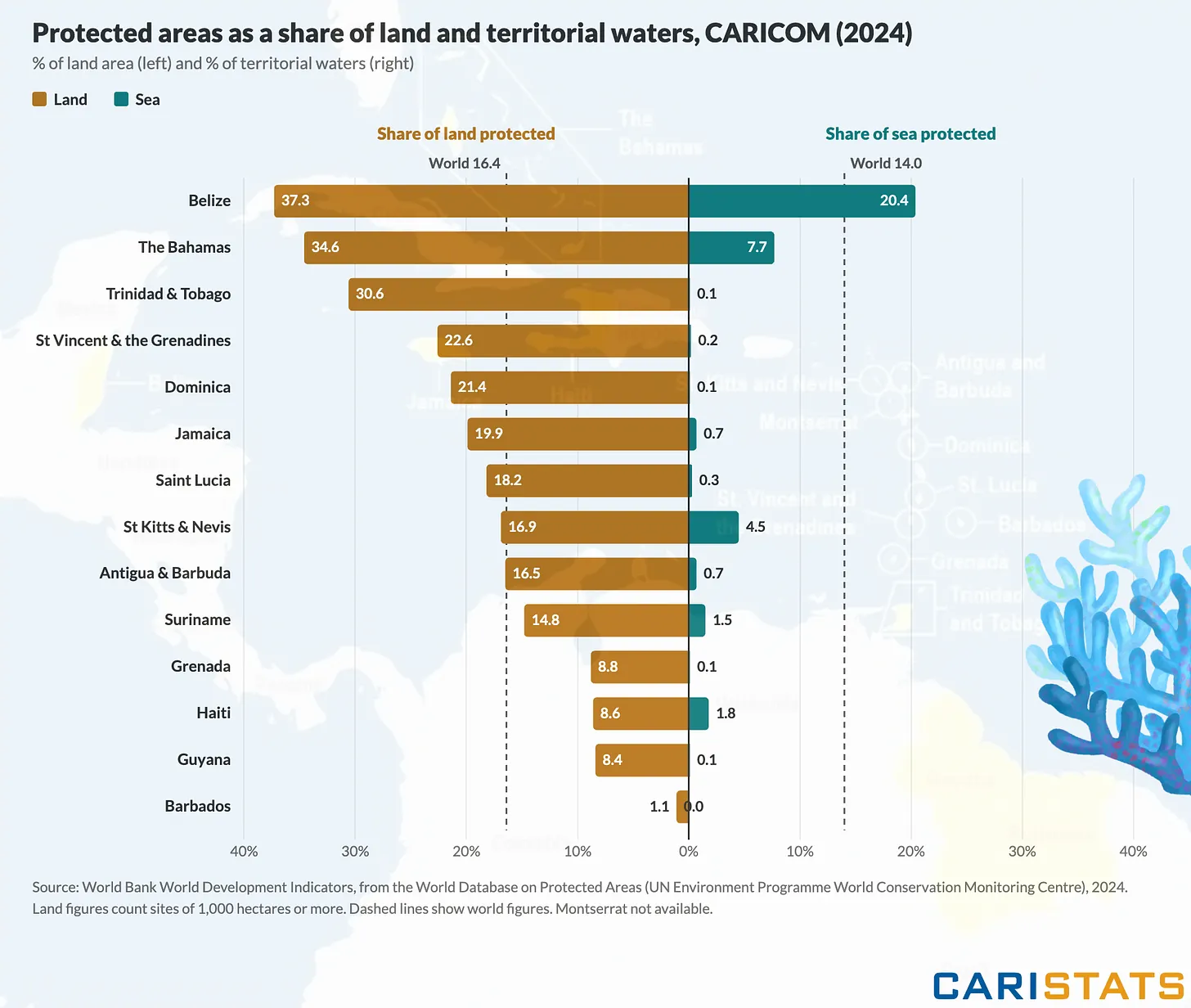
For decades, conservation efforts across the Caribbean have prioritized the protection of vibrant coral reefs, sprawling marine sanctuaries, and endangered ocean species, drawing global funding, attention, and acclaim for preserving one of the world’s most biodiverse marine ecosystems. But a growing body of on-the-ground research and advocacy highlights a critical gap in regional environmental action: nearly all coordinated conservation work stops abruptly at the Caribbean’s shoreline, leaving coastal ecosystems, inland habitats, and the communities that depend on them disproportionately vulnerable to accelerating climate and human-driven threats.
Coastal mangrove forests, which act as natural storm barriers, carbon sinks, and nurseries for juvenile fish, are among the most impacted by this gap. While mangroves sit at the intersection of land and sea, many marine-focused conservation initiatives do not extend inland to protect these root systems from clearing for coastal development, tourist resorts, and agricultural expansion. Similarly, inland watersheds that feed freshwater into coral reef systems are often unregulated, with runoff from pesticide use and unprocessed sewage spilling into coastal waters, fueling algal blooms that kill reefs already stressed by rising ocean temperatures.
This disconnect between marine and terrestrial conservation also harms local communities, which bear the brunt of increased coastal flooding, erosion, and declining water quality when shoreline and inland ecosystems are left unprotected. Small-scale fishing households, in particular, see their catches drop when mangrove nurseries are destroyed, while low-lying coastal communities face greater risk of deadly storm surges as natural buffer habitats disappear.
Conservation leaders argue that closing this gap requires a fundamental shift in regional environmental strategy, moving beyond siloed marine protection efforts to adopt integrated land-sea conservation frameworks that center the needs of local communities. They note that targeted funding for coastal and inland Caribbean conservation remains drastically underallocated, with less than 15% of regional environmental funding directed to areas above the high tide line, according to recent regional environmental reports. Bridging this divide, they say, is not just critical for protecting the Caribbean’s iconic natural landscapes—it is also essential for ensuring the long-term resilience of the region’s people and economies in the face of accelerating climate change.