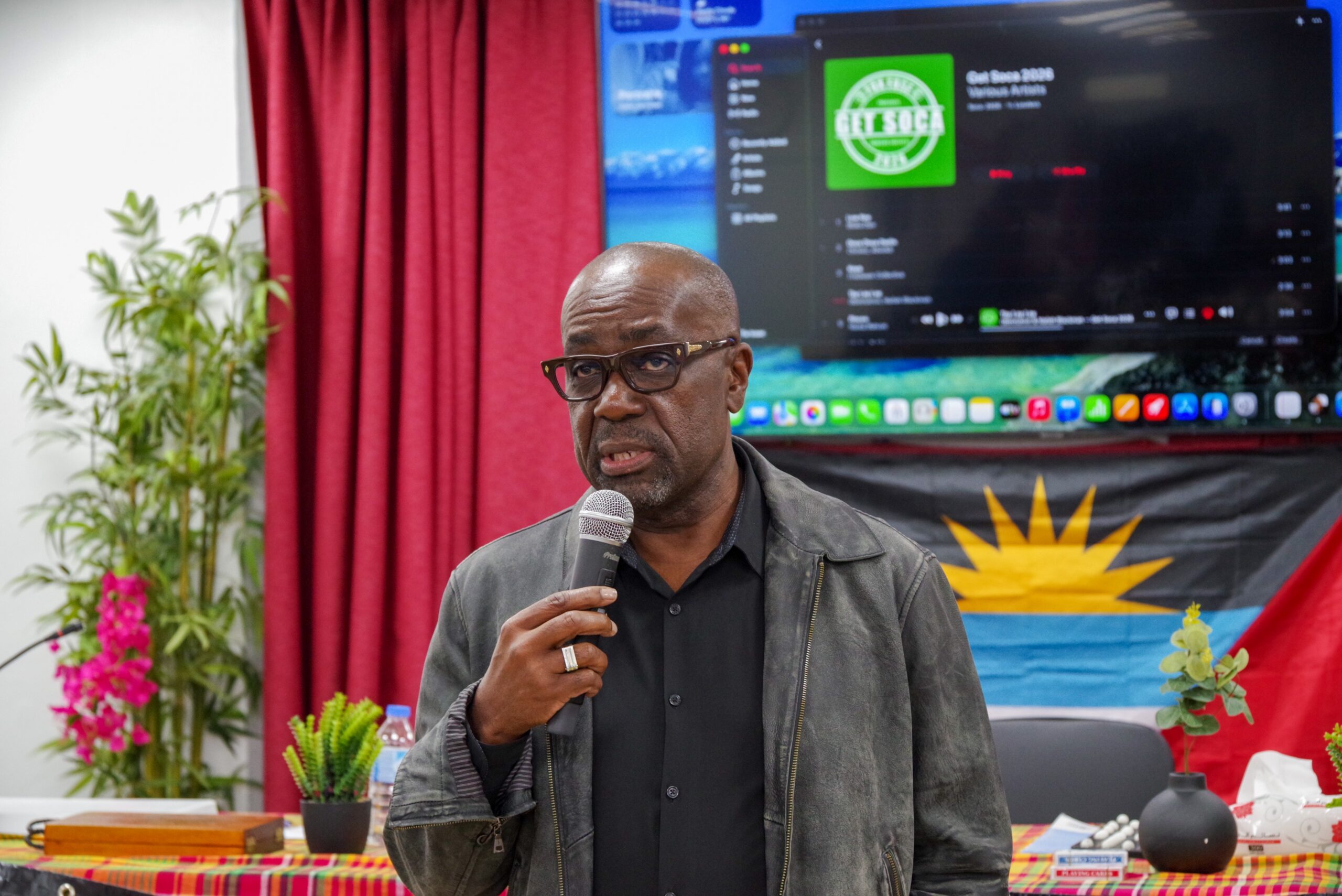
Dr. Didacus Greene has formally assumed leadership of the Organization of Eastern Caribbean States (OECS) Council on Foreign Affairs, immediately setting out an ambitious agenda focused on accelerating collaboration and deeper integration across the 11-nation bloc.
Greene, who took over the rotational chairmanship from his predecessor at a high-stakes inaugural ceremony hosted in Castries, St. Lucia, framed enhanced integration as the only viable path for the small island developing states to amplify their collective voice on the global stage, tackle shared transnational challenges, and unlock sustained economic resilience.
In his first keynote address to the gathered foreign policy chiefs from across the sub-region, Greene outlined three core priority areas for his tenure. First, he called for the harmonization of regional foreign policy positions, particularly on pressing global issues such as climate change reparations, international trade reform, and maritime security. For small island nations that often face overlapping vulnerabilities, aligned messaging, Greene argued, can turn fragmented individual efforts into a cohesive, influential bloc that commands global attention.
Second, Greene pushed for the expansion of cross-border mobility frameworks for skilled workers and professionals across OECS member states. Removing remaining bureaucratic barriers to labor movement, he explained, would not only unlock economic opportunities for citizens across the bloc but also help address critical labor shortages in key sectors ranging from tourism to healthcare.
Third, he emphasized the need to strengthen partnerships between the OECS and global and regional multilateral institutions, from CARICOM to the United Nations, to secure greater funding and technical support for regional development priorities. Greene also highlighted the ongoing need to coordinate responses to emerging geopolitical shifts that impact small island nations, ensuring that the interests of OECS states remain at the forefront of regional and global policy discussions.
Incoming chair Greene also acknowledged the significant progress that has already been made in OECS integration over the past decades, including the establishment of the OECS Economic Union in 2011, but stressed that the bloc must adapt to new global realities to deliver greater benefits to its 700,000 collective citizens. He called for renewed political will from all member states to overcome remaining bottlenecks to integration, pushing for more ambitious timelines for the implementation of existing integration commitments.
Diplomatic observers note that Greene’s push for deeper integration comes at a critical juncture for Eastern Caribbean states, which are grappling with overlapping economic shocks from post-pandemic recovery, rising global inflation, and the growing existential threat of climate change-driven sea level rise and extreme weather events. Analysts suggest that a more integrated OECS would be better positioned to negotiate more favorable trade terms, access climate finance, and build collective resilience to these shared challenges.