Across educational institutions, teachers are widely expected to serve as positive role models for their students. While no educator is perfect, the fundamental expectation remains that they should intentionally avoid setting harmful examples that can negatively shape young minds. Yet, a growing number of observers are calling attention to troubling patterns of unprofessional conduct among some teaching staff that are raising serious questions about adherence to professional standards.
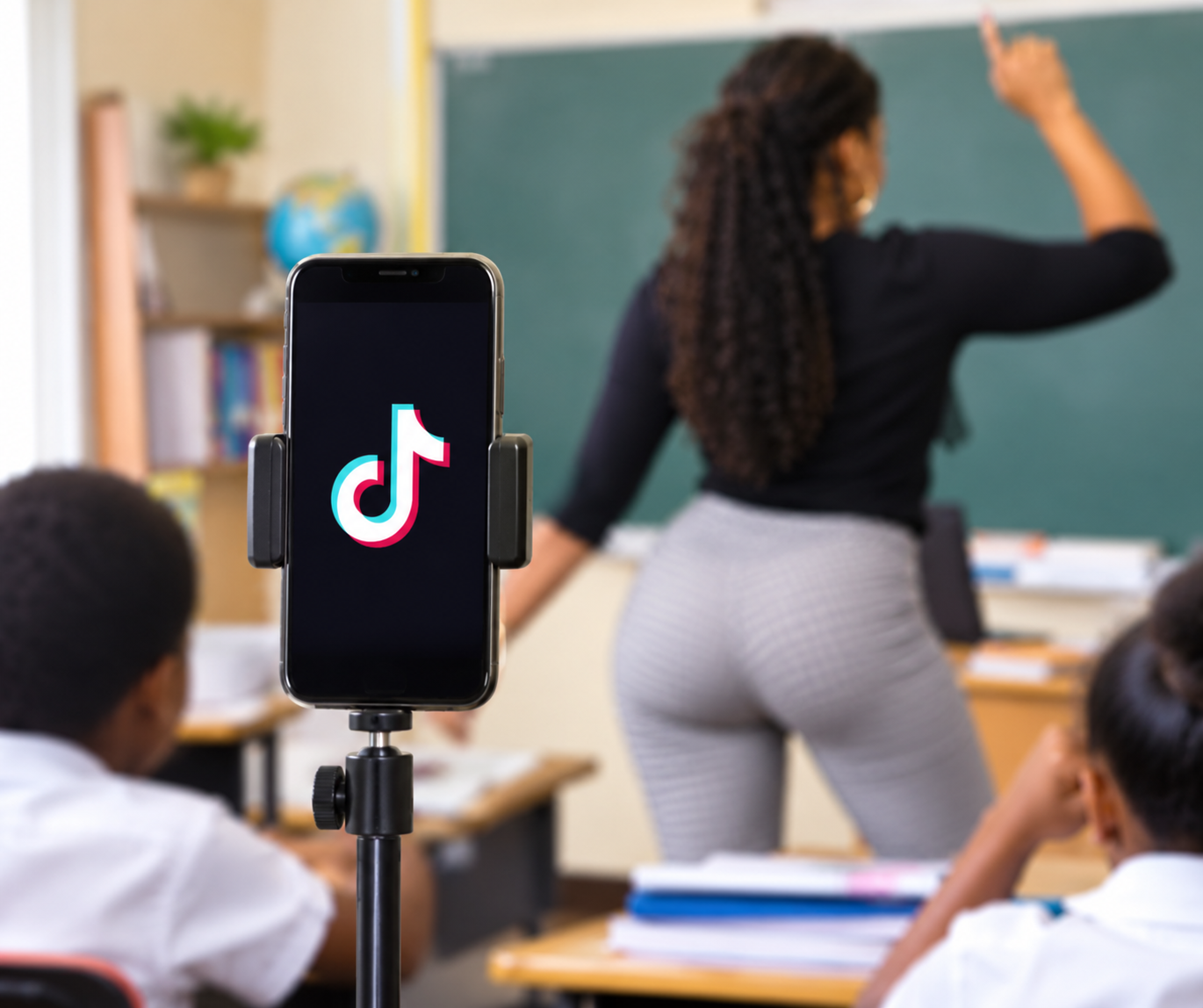
One of the most commonly cited issues is the creation of social media content during school hours on workplace devices. Specifically, there have been multiple documented instances of teachers posting TikTok videos that feature explicit profanity—content that is easily accessible to the students they teach. With social media playing an increasingly large role in the daily lives of young people, students are often aware of this content, raising concerns about what kind of message this sends about professional boundaries and appropriate communication.
Beyond social media, questions have also been raised about unprofessional dress codes among some educators at certain campuses. Observers note that some teachers have been wearing extremely short, tight-fitting dresses that leave undergarments clearly visible, as well as skin-tight pants that cling to the body in ways that violate basic norms of workplace appropriateness. These choices of attire, critics argue, undermine the authority of teachers and create an unprofessional learning environment that distracts from educational goals.
Community members and education observers are now calling on district directors of education, school administrators, and other key education stakeholders to step in and address these gaps. They argue that a proactive reminder of the existing professional code of conduct for educators is urgently needed to reaffirm expectations around appropriate behavior both in and out of the classroom, ensuring that teachers continue to uphold the standard of positive role modeling that students and families deserve.