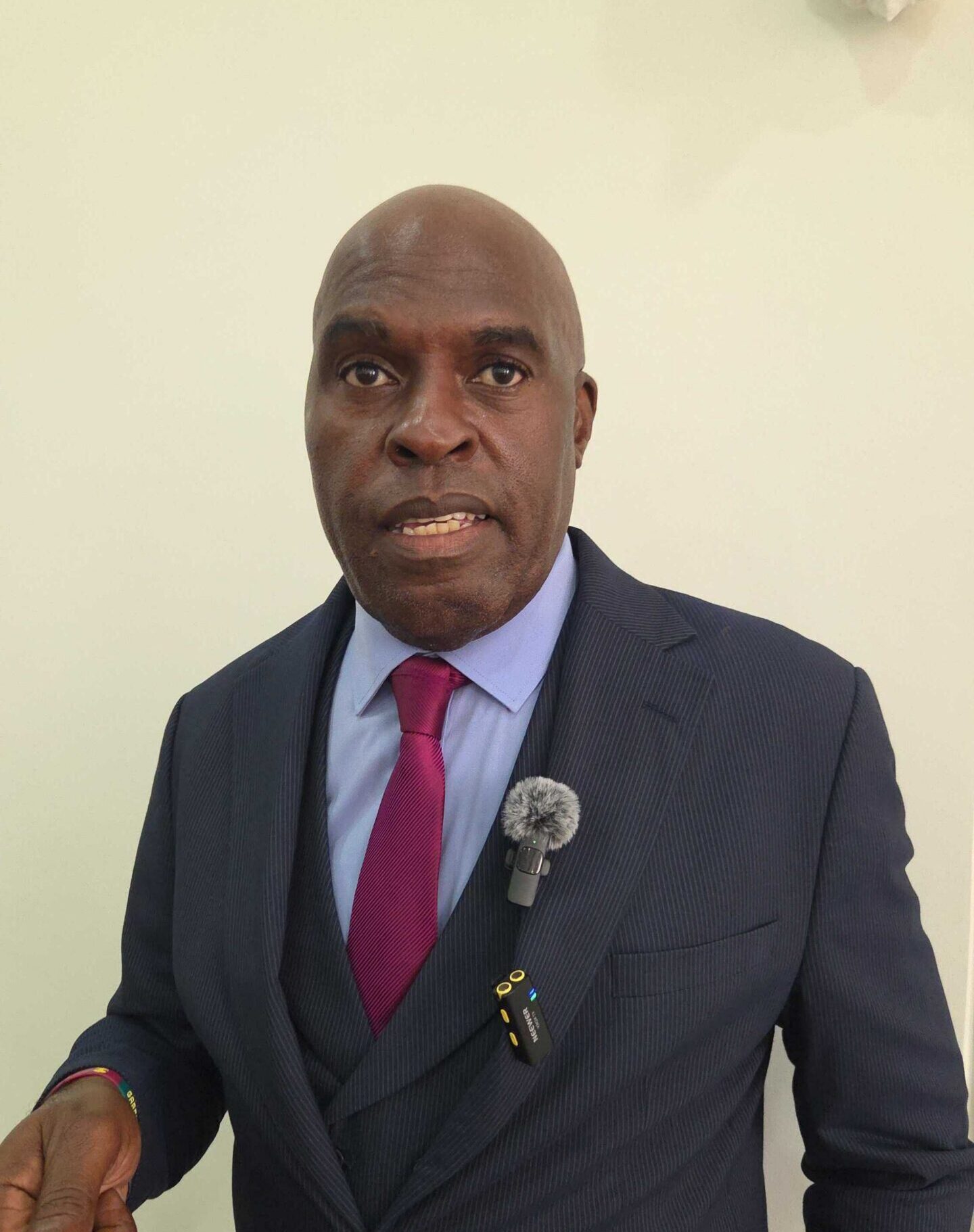
During Tuesday’s debate on the Penal System Reform (Amendment) Bill in Barbados’ House of Assembly, Minister of Legal Affairs and Criminal Justice Michael Lashley has outlined a bold vision for updating the country’s criminal sentencing framework, pushing for stricter guidelines for two of society’s most harmful crimes while upholding judicial independence. The bill under discussion aims to give judges greater leeway to consider relevant prior convictions when handing down penalties, a change that Lashley supports even as he calls for additional adjustments to how serious offenses are addressed.
Lashley’s core proposal centers on developing new, tougher sentencing guidelines for both firearm and sexual offenses. He questioned current practices that sometimes result in fines for individuals convicted of unlawful firearm possession, arguing that the seriousness of these offenses demands custodial sentences in most appropriate cases. “That is a serious offence and a custodial sentence is warranted,” he stated, while stressing that judges must retain their discretionary power to tailor sentences to individual circumstances. “But of course, we cannot threaten the discretion of a judge,” he added, clarifying that new guidelines would not override judicial independence.
Beyond updating sentencing rules, Lashley also called for sweeping changes to include victims and their families more directly in the sentencing process. He noted that while victim impact assessment reports are currently included in pre-sentence preparations, there is no existing requirement for victims or the dependents of deceased victims to be present when the final sentence is delivered. Lashley argued that this exclusion should be corrected as part of broader penal reform, making the physical presence of affected parties a standard part of the sentencing hearing.
To address widespread public confusion around sentencing outcomes, Lashley also proposed a targeted public education campaign to explain how judges apply sentencing guidelines. He noted that common public criticism of “soft sentences” often stems from a lack of understanding of the rules that govern judicial decision-making, and that clearer public communication would help bridge this gap between public expectation and judicial practice.
Lashley emphasized that broader penal system reform must not be reduced to a simple debate over punishment versus leniency. True reform, he argued, must encompass three core pillars: preventing future crime, protecting the rights of victims, and rehabilitating offenders to successfully reintegrate into society after release. He argued that rehabilitation should begin the moment an offender enters prison and continue through their reentry into the community, ensuring that they leave prison better equipped to avoid recidivism.
The minister stressed that reform does not equal being soft on crime, nor does it overlook the needs of victims. Instead, he framed effective punishment as a process that holds offenders accountable for the harm they have caused to victims and society, while also implementing measures that reduce the likelihood of repeat offenses. “What punishment is, is that we must ingrain in that punishment some sort of accountability,” Lashley said. “We must hold the offender accountable, repair the harm that the offender caused to society and reduce the likelihood of reoffending by that particular offender.”