A legal battle over religious and dietary rights in the Caribbean prison system is set to move forward in early 2025, after a senior judge rejected the government’s attempt to dismiss a landmark constitutional claim filed by a Rastafarian pre-trial detainee.
Inyah Iroyal Jones, who is currently held on remand while awaiting trial on a firearms charge, argues that the limited meal options provided by the prison system have forced him to abandon the strict vegan diet that is central to his Rastafarian faith. According to the constitutional motion filed by Jones and his mother, the inability to adhere to his required diet has led to severe, measurable harm to his physical health. Jones is asking the High Court to rule that correctional authorities are required to accommodate his dietary needs by providing consistent, appropriate vegan meal options during his time in remand.
On Tuesday, Justice Michelle Weekes of the No. 8 Supreme Court dismissed the government’s motion to have the entire case thrown out before a full trial. In the wake of that ruling, the judge scheduled two full days of court proceedings for March 8 and 9 next year to hear the full merits of Jones’ constitutional challenge. Acting Solicitor General Marsha Lougheed represented the Attorney General and the Prison Superintendent in the preliminary hearing this week.
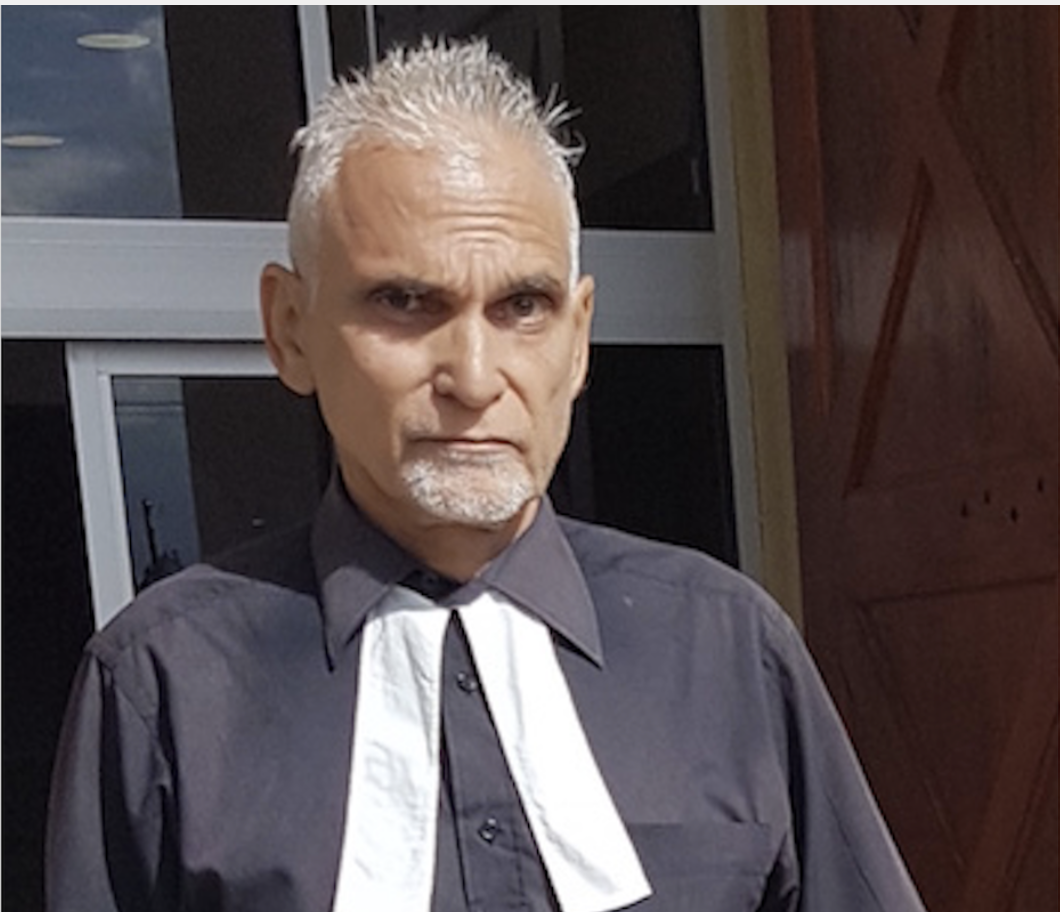
Following the ruling that cleared the way for a full trial, Lalu Hanuman, Jones’ lead attorney, framed the decision as a meaningful win for all marginalized groups with specific dietary requirements. “This is a victory for Rastafarians… and people on ethical diets generally,” Hanuman told reporters outside the court. The case has drawn broader attention to gaps in accommodation for religious and personal dietary needs in Caribbean correctional facilities, with advocates arguing that all detainees retain their constitutional rights to religious freedom and adequate health care regardless of their pre-trial or convicted status.