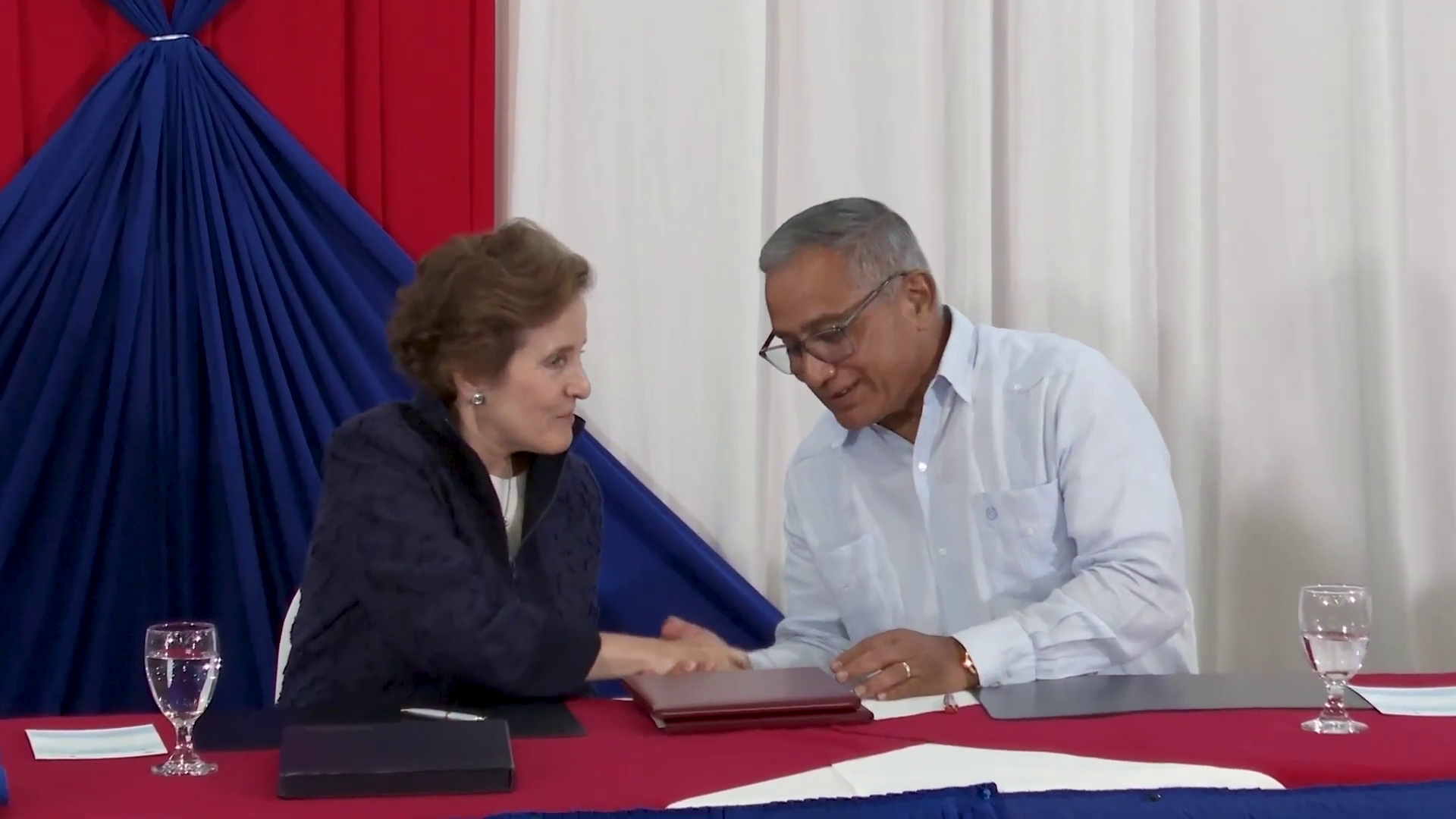
On September 8, 2026, the Briceño Administration of Belize successfully advanced the landmark Millennium Challenge Account (MCC) Bill and two accompanying pieces of legislation through the country’s Senate, overcoming hours of heated debate and widespread lawmaker concerns over what critics call an unnecessarily accelerated approval process tied to a U.S. deadline. The final vote came just 10 days before the Belizean government’s scheduled official launch of the MCC compact program, fueling persistent speculation that the administration rushed the legislative process to honor its pre-existing commitments to the U.S. government.
Alongside the core MCC bill, senators also debated two related pieces of legislation: the Education Bill and the Technical and Vocational Education and Training (TVET) Bill. Multiple lawmakers pushed back on key provisions of the package, calling for extended scrutiny and targeted amendments before a final vote was held. To address these growing concerns, Eamon Courtenay, the ruling party’s lead senator, offered a formal commitment to lawmakers: the full package of legislation will return to the National Assembly for open debate and amendment within three months of the initial approval.
In his floor address to the Senate, Courtenay openly acknowledged that the rushed process was far from ideal. “It is not a satisfactory state of affairs. I confess that immediately and the request made by the government is unusual and extraordinary,” he told the chamber. He went on to explain the urgency driving the timeline, noting that Belize and the U.S. have already finalized a compact agreement that delivers a $125 million USD grant intended to fund sweeping reforms across Belize’s education and energy sectors. Courtenay also referenced a formal September 4 letter from Opposition Leader Francis Fonseca, distributed to all senators, which confirms 21 pre-negotiated amendments will be introduced for full debate during the next sitting of the Belizean House of Representatives. Once the House approves these changes, Courtenay assured, the full package of three bills will return to the Senate for a second full round of debate and review.
When the initial debate concluded, opposition-aligned Union Senator Glenfield Dennison made a formal request for a recorded division vote, which forced every senator to publicly declare their position on the controversial package of legislation. In the final recorded vote, three senators abstained from the vote: Dennison, NGO representative Senator Janelle Chanona, and business sector Senator Kevin Herrera. All remaining members of the Senate voted in favor of advancing the three bills to the next stage of the legislative process.
This report is a transcribed excerpt from an evening television newscast, with Kriol language statements standardized to written spelling for accessibility.