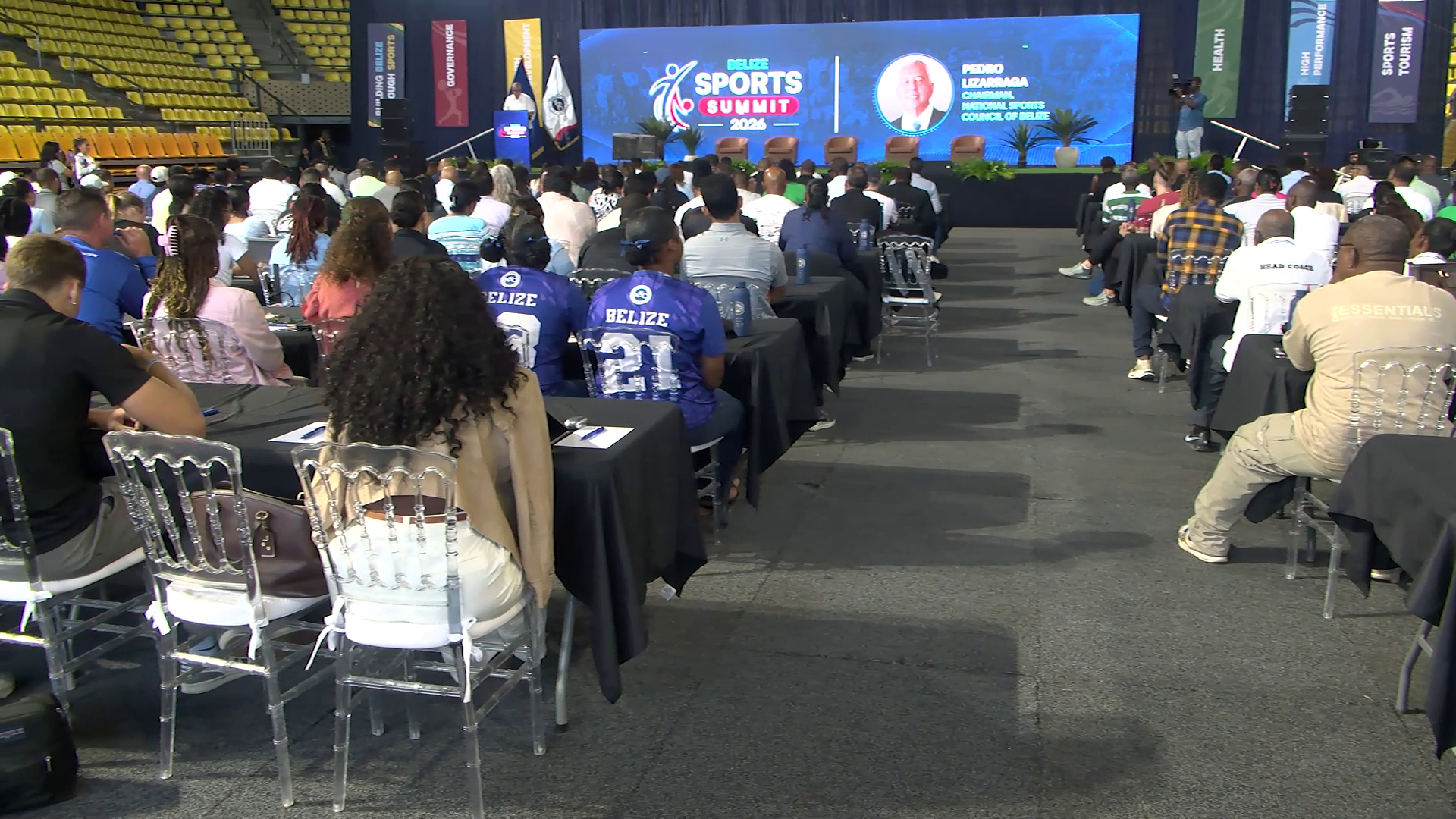
In a landmark gathering for the Central American nation, Belize’s first ever National Sports Summit kicked off at the Belize City Civic Centre in early September 2026, bringing together athletes, coaches, sports administrators, government leaders, and community stakeholders to tackle a long-standing challenge: how to convert the nation’s abundant natural athletic talent into consistent international success.
For two days, conversations moved far beyond the immediate goal of preparing for upcoming competitions, focusing instead on the foundational changes needed to cultivate champions over the long term. Prime Minister John Briceño opened the summit by emphasizing that systemic change cannot be delivered by any single group, calling for cross-sector collaboration to build a unified national sports ecosystem. “Success will depend upon partnership among government, sporting organizations, schools, coaches, communities, athletes, parents, and the private sector,” Briceño told attendees. “Our individual responsibility must be seen to be a part of building a holistic system where resources are shared for the greater good.”
Belizean former Olympian Marion Jones delivered an impassioned keynote address that resonated across the room, noting that the nation has never lacked raw athletic ability. What has held Belizean sports back, she argued, is a critical gap in targeted investment and modern infrastructure to nurture local talent from promising amateur to elite international competitor. Jones shared a vision of a future where a Belizean athlete competes in an Olympic final, with thousands of cheering fans packing the national stadium to cheer on one of their own — a future she said is achievable with intentional, long-term planning.
Jones’ vision aligned with the core goal of the summit, which organizers framed as far more than a routine policy discussion. Sports Minister Anthony Mahler stressed that the gathering is intended to produce a concrete, shared strategy that will guide Belizean sports development for the next decade and beyond. Mahler outlined plans to form a unified coalition including national sports federations, the National Sports Council, the Belize Olympic Committee, and local community groups to implement the strategy. He also highlighted the need for early talent identification in school systems, noting that consistent resourcing and targeted support from a young age will be key to closing the gap with better-resourced competing nations. While calling on athletes to commit to the hard work required to reach the top, Mahler emphasized that governing bodies have a responsibility to build the support systems that make that success possible.
For decades, Belizean athletes have competed on the global stage without access to the sports science, nutrition support, training facilities, and development infrastructure that athletes in wealthier nations take for granted. This summit marks a deliberate shift in approach: instead of asking what Belize can achieve with its existing limited resources, stakeholders are now demanding investment in the talent the nation already holds, laying the groundwork for a new era of Belizean athletic achievement.