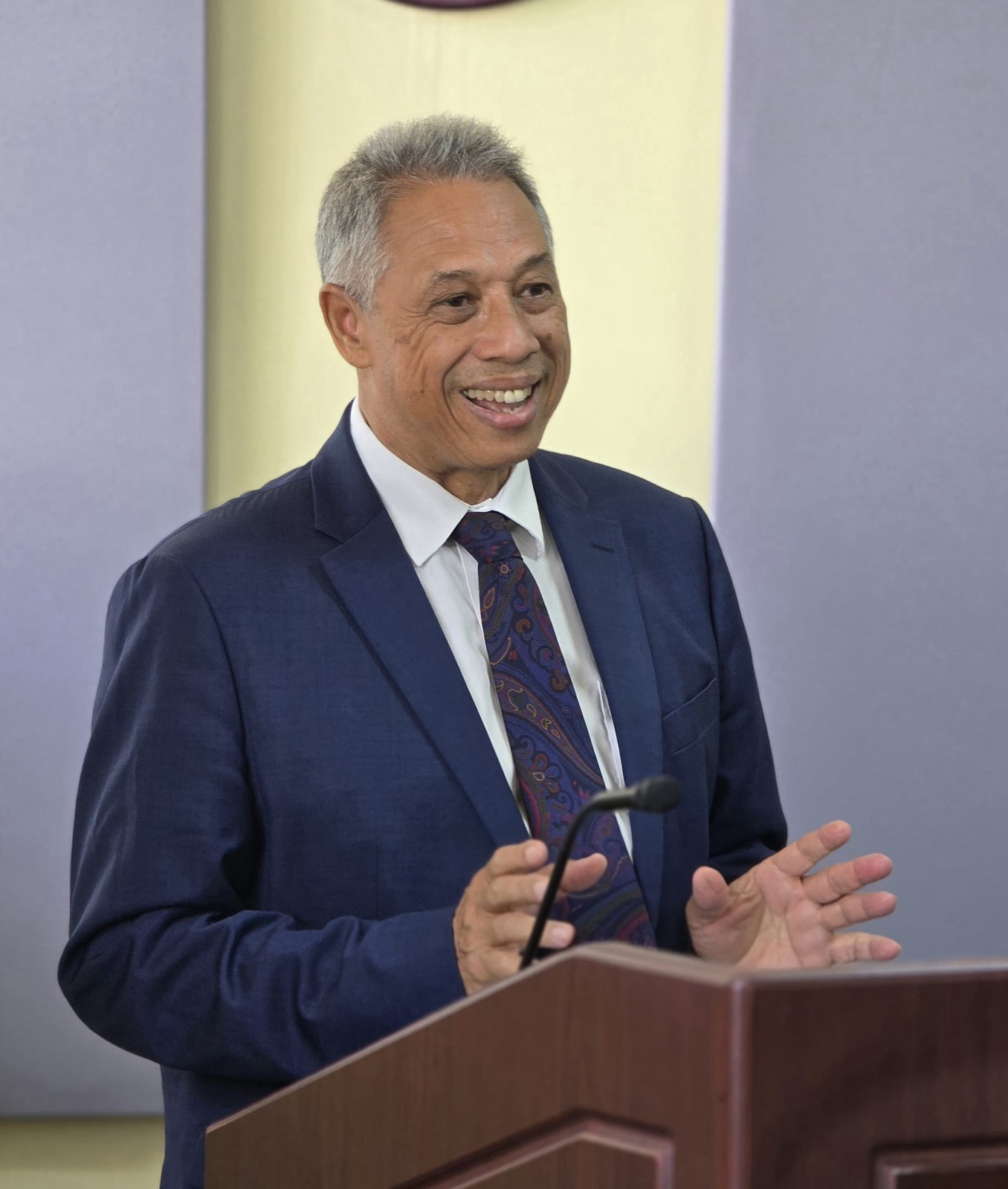
The Caribbean, a region defined by scattered island nations, has long struggled with a cycle of unstable intra-regional air connectivity marked by frequent airline failures, exorbitant travel costs, and inconsistent service. Now, two seasoned aviation industry professionals have put forward a comprehensive, multi-pronged proposal that they argue could upend long-standing structural issues, slash ticket prices for regional travelers, and unlock broad-based economic growth across the bloc.
The proposal comes from Captain Don Chee-A-Tow, an aviation consultant and France’s Honorary Consul to Barbados, and Paul Gravel, managing director of SVG Air, Grenadine Airways, and OECS Aircraft Maintenance. Their joint report, dated August 10 and obtained by Barbados TODAY, will be distributed to all Caribbean regional governments to catalyze policy action. At the core of their recommendations is an urgent call for fiscal reform: cutting airport usage fees, security charges, and passenger taxes specifically for legitimate intra-regional flights. The experts argue that these high cumulative costs have artificially suppressed passenger demand and left regional carriers unable to compete effectively, so downward adjustment would stimulate travel and boost the sector’s overall viability.
Beyond fiscal changes, the experts are pushing for a fundamental reclassification of regional aviation by all Caribbean Community (CARICOM) member states, including Barbados. They contend that regional air connectivity is just as critical to economic function as core infrastructure like seaports, national highways, and telecommunications networks, and should be formally recognized as such by governments. Efficient air links underpin nearly every major sector across the Caribbean, from tourism and cross-border commerce to emergency healthcare access, post-secondary education, foreign direct investment, and disaster response resilience, they noted.
To address long-standing bureaucratic bottlenecks, the report urges regional policymakers to allocate additional funding and resources to local civil aviation authorities. This investment would speed up core administrative processes including aircraft registrations, license validations, and safety certifications, eliminating unnecessary delays that have hampered carrier operations for years.
A key pillar of the plan focuses on building a self-sufficient regional aviation workforce. The experts propose establishing a well-funded dedicated regional aviation academy to train new pilots, aircraft maintenance engineers, and other core aviation professionals. Currently, most Caribbean aviation workers rely on costly overseas training programs; a local academy would create a steady pipeline of skilled local talent and reduce the sector’s dependence on foreign training institutions.
On the financing front, Chee-A-Tow, a former pilot for defunct regional carrier LIAT, and Gravel are calling for collaborative action from leading regional financial institutions including the Eastern Caribbean Central Bank (ECCB) and Caribbean Development Bank (CDB), alongside national governments, local commercial banks, and international development partners. The group should work together to create new, accessible financing frameworks tailored to the needs of regional carriers, they say. Possible mechanisms include partial credit guarantee schemes, dedicated aircraft financing facilities, development-focused lending programs, regional aircraft leasing initiatives, and structured risk-sharing agreements with commercial lenders. The report notes that these tools would lower the risk for lending institutions while allowing regional operators to invest in newer, safer, more fuel-efficient aircraft that cut long-term operating costs and improve environmental sustainability.
The experts also back strategic industry consolidation, arguing that the current fragmented market of multiple small undercapitalized carriers is unsustainable. They recommend that governments support the emergence of a smaller number of larger, better-capitalized regional airline groups that can achieve economies of scale, improve fleet utilization rates, and build stronger financial resilience to weather market volatility.
Additional recommendations include accelerating fleet modernization, developing shared regional centers of aviation excellence, introducing targeted public service obligation (PSO) programs for unprofitable but socially important routes, strengthening cross-carrier commercial cooperation, and reducing unnecessary political interference in airline operations.
For fleet modernization, the experts urge encouraging investment in modern aircraft sized appropriately for the small passenger volumes common to Caribbean regional routes. These aircraft deliver lower operating costs, better fuel efficiency, lower carbon emissions, and more reliable service than aging fleets currently operated by many regional carriers. Where practical, the report also encourages fleet standardization to cut maintenance, training, and spare parts inventory costs.
To maximize the use of limited regional resources and improve operational efficiency, governments should collaborate to build shared regional facilities for aircraft maintenance, pilot training, engineering education, and technical support, the proposal adds. For thin routes that are critical for connecting small island communities but not financially viable for carriers, the experts recommend transparent targeted PSO programs that provide public support to maintain service, rather than forcing airlines to absorb ongoing losses that threaten their long-term survival.
To boost commercial integration across the sector, the report recommends expanding interline ticketing agreements between carriers, coordinating flight schedules to improve connections, offering through-ticketing for multi-leg journeys, and building formal partnerships with regional tourism boards, hotel groups, and cruise line operators to stimulate passenger demand and improve the end-to-end traveler experience.
On the topic of political interference, the authors note that sustainable airline operations require long-term business strategy and sound financial management, rather than decision-making driven by short-term political objectives. They argue that professionalizing corporate governance frameworks and prioritizing business-focused decision-making can reduce unnecessary political meddling while preserving critical regional connectivity that serves public needs.
In closing, the experts emphasized that the Caribbean’s unique geography of scattered island nations makes efficient regional air travel an absolute necessity for regional integration and development. They noted that the repeated cycle of new airline launches, followed by financial distress and eventual collapse that has plagued the region for decades is not caused by a lack of passenger demand. Instead, it stems from structural challenges that have gone unaddressed for generations.
By implementing the full set of recommended reforms – from recognizing aviation as critical economic infrastructure and strengthening regulatory capacity to rebuilding local training programs, improving access to affordable financing, encouraging strategic consolidation, modernizing fleets, and reducing political interference – Caribbean governments and regional institutions can build a far more resilient, commercially sustainable regional air transport system. A stronger aviation network will not only benefit airlines, the report concludes. It will deliver widespread, long-lasting economic and social benefits to all Caribbean citizens by improving trade, expanding tourism, enhancing healthcare and education access, strengthening disaster response, boosting investment, and deepening regional integration.