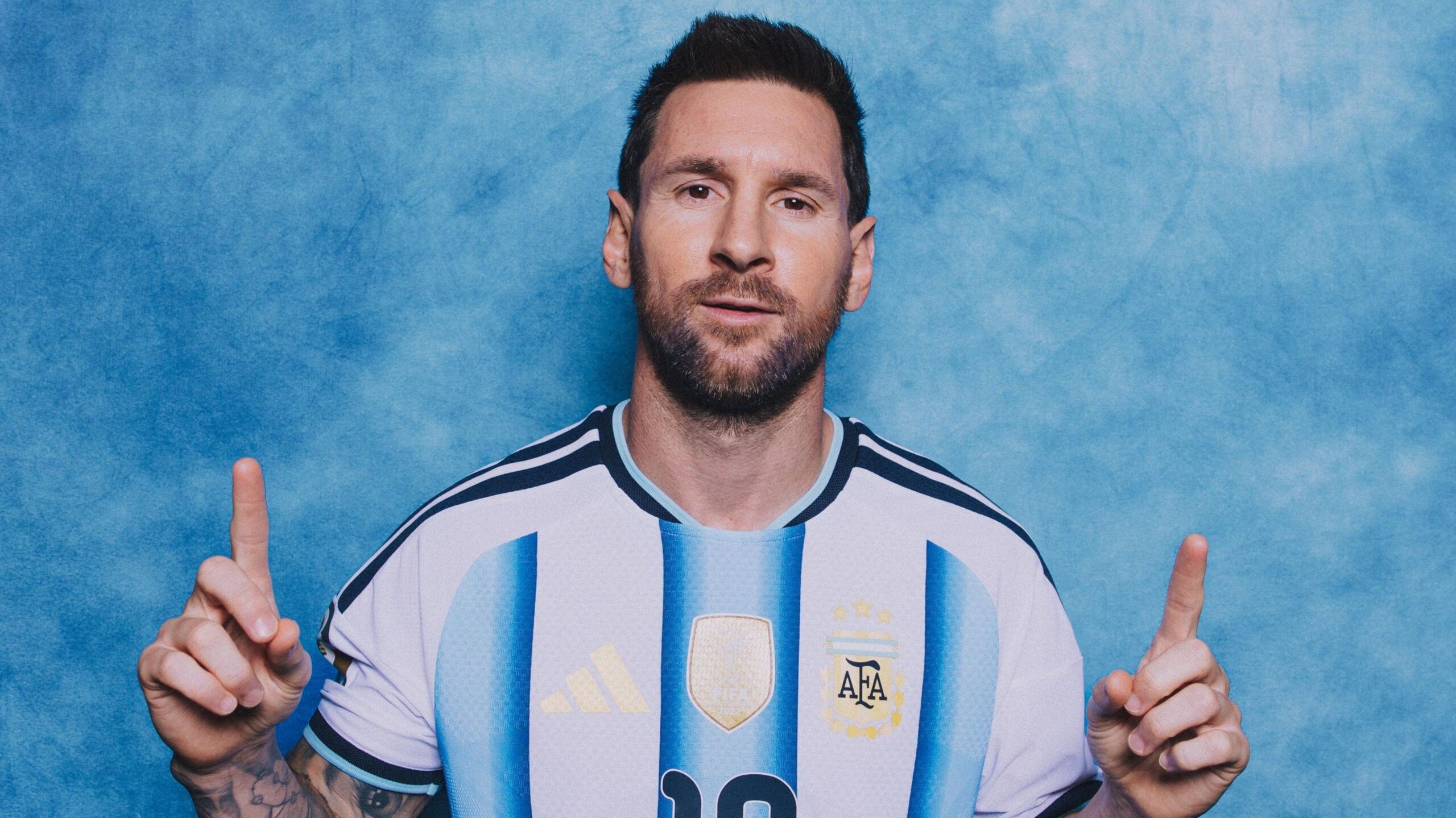
Among the pantheon of sporting greats, a tiny handful of athletes do not merely master their discipline—they reshape its very boundaries. Lionel Messi stands firmly in that rare group, a player who rewrote how the world imagines football, and redefined what greatness can look like.
Against the long-standing trope that athletic legend requires brashness, arrogance, and imposing physical dominance, Messi offered a different blueprint. His greatness was soft-spoken, humble even when standing under the brightest spotlights of global sport. It operated in quiet pauses before a strike, in subtle shifts of movement no defender could track, and in moments of magic that left crowds too stunned to speak at first. What made him extraordinary was not just his physical gifts: blistering speed, impeccable balance, and almost supernatural control of the ball. It was his innate, almost prescient awareness of the pitch—an unparalleled football IQ that cut through the chaos of 90 minutes of play to spot a single, game-changing opening no other player on earth could see.
Numbers on a stat sheet can count how many goals Messi scored, but they can never capture what those goals felt like for the millions who watched. They cannot measure the hush that fell over a stadium in the seconds before he stepped up to take a free kick, the explosive roar that erupted the moment the ball rippled the net, or the stunned disbelief of fans clutching their heads after witnessing a run of play that defied all logic. Records cannot tally the childhood dreams he sparked, the global streets packed with young players wearing the number 10 on their backs, or the countless people who fell in love with the sport simply because they got to watch Messi play.
Messi gave fans personal, indelible memories that stick with them for a lifetime. People remember exactly where they were when he dribbled past an entire opposing defense to score. They recall the rising pitch of commentators’ voices with every touch of his left foot. They remember the electric expectation every time he received the ball inside the penalty area—the quiet certainty that the ordinary rules of football were about to be suspended, if only for a moment. For those few seconds, millions of people across every border, culture, and language shared a single thought: something unprecedented is about to happen. More often than not, that expectation was fulfilled.
But the defining core of Messi’s legacy is not written in his most effortless victories. It is forged in the years of disappointment he carried while wearing the Argentina national team jersey. For all his unrivaled success at the club level, international football tested him again and again. There were heartbreaking losses in major finals, unfair comparisons to Argentine greats of the past, and the crushing weight of carrying the expectations of an entire football-mad nation. Every missed chance became a national debate, every defeat was laid squarely at his feet, and for years, fans and pundits alike questioned whether his national team story would ever get the ending his talent deserved.
Yet Messi never walked away. He continued to wear the shirt, continued to embrace the pressure, and continued to chase the dream even after it had broken his heart multiple times over. That perseverance transformed the meaning of his entire career, and when Argentina climbed to the top of global football at the 2022 FIFA World Cup in Qatar, the victory meant far more than filling the last empty spot in his trophy cabinet. It was the release of decades of unfulfilled longing—for Messi, for his teammates, and for generations of Argentine supporters who had waited as long as he had. That raw emotion was plain to see when he dropped to his knees on the Qatari pitch after the final whistle.
The image of Messi lifting the World Cup trophy resonated far beyond Argentina’s borders. It belonged first to the nation that had waited so long for that moment, but it also belonged to every fan across the globe who had followed his decades-long journey: those who celebrated his brilliance, defended him through his lowest disappointments, and never stopped hoping that the sport would give him that long-awaited crowning moment. When he raised the golden trophy above his head, it felt like football itself was honoring one of the greatest servants the game has ever known.
It was never that the World Cup was needed to prove how extraordinary Messi was. It was simply that, after he gave the world of football so many unforgettable moments, the universe finally gave one perfect moment back to him. Beyond the sport itself, he gave millions of people a new belief: that limitations do not have to be the end of your story. Children told they were too small to compete watched Messi and saw a world of possibility. Introverted young athletes watched him and learned they did not have to change who they were to command the world’s attention. Aspiring footballers watched him and understood that football IQ, discipline, and imagination can be just as devastating as raw physical power.
One day, the game will move on from Messi playing on the pitch. New stars will rise, new records will be broken, and new eras will begin. But anyone who ever watched Messi play knows that his influence can never be contained in lists of records or debates over who is the *greatest of all time*. Messi was never just a collection of trophies and statistics. He was a feeling. He was the anticipatory hush that swept through a stadium the second the ball arrived at his left foot. He was the split second where a defender realized he had already been beaten, before he could even process how it happened. He was the roar of Camp Nou for Barcelona, the enduring hope of Argentina, and a sense of wonder for millions of fans watching from every corner of the planet.
He is still that small boy from Rosario who grew into one of football’s most enduring icons. Lionel Messi did not just play the beautiful game—for an unforgettable stretch of football history, he became its most beautiful expression. Messi is not Jesus, of course. But step onto a football pitch, and sometimes, it is very hard to tell the difference.