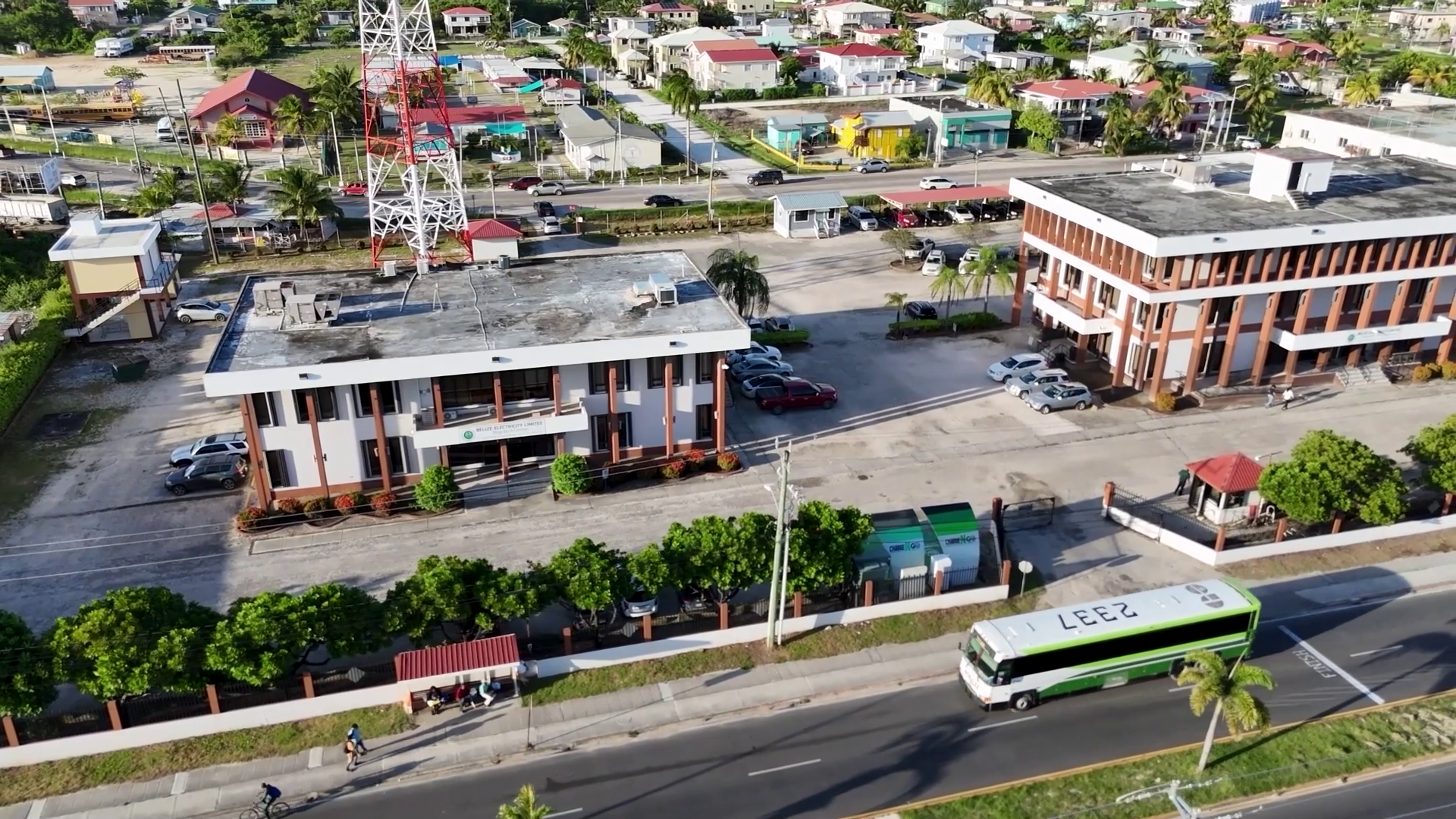
As of August 27, 2026, a worsening energy crisis has gripped Belize, bringing long-simmering political tensions over energy policy to the surface and triggering a public blame game between the incumbent administration and its predecessor.
In a public address addressing growing public anxiety over persistent power outages, Cabinet Minister Kevin Bernard acknowledged the severity of the nation’s energy challenges while placing the root responsibility for the current crisis on the previous United Democratic Party (UDP) government. “I don’t like to dwell on the past, and critics will say we are just pointing fingers,” Bernard stated during the briefing. “But accountability has to be placed where it belongs. If the previous administration had prioritized serious, long-term energy infrastructure investments years ago, we would not be facing the cascading problems we see today.”
Bernard went on to defend the actions of the current Briceño government, emphasizing that the administration has made tangible progress in tackling the crisis and pushing Belize toward greater energy autonomy. Currently, the nation relies heavily on imported power from Mexico’s Federal Electricity Commission (CFE), a dependence that leaves Belize vulnerable to disruptions when Mexico faces its own energy shortages. When asked about supply interruptions, Bernard noted that Mexico naturally prioritizes its own domestic demand during periods of shortage, a reality that leaves Belize exposed to sudden outages.
To break this reliance on foreign energy, the Briceño administration has advanced two large-scale solar energy projects, which Bernard says will bring the country closer to long-term energy self-sufficiency. While Bernard declined to share full details of the upcoming projects, he confirmed that one major solar initiative is on the verge of coming online, marking a critical step forward for the nation’s renewable energy transition. He also expressed confidence in the leadership of Ambassador Young, Executive Chair of Belize Electricity (BEL), saying Young has already pushed forward sweeping reforms and improvements at the state power utility and deserves time to deliver tangible benefits for consumers.
Notwithstanding these commitments, the public remains frustrated by the recent wave of rolling blackouts that have disrupted daily life across the country. Bernard acknowledged this discontent, saying “as an elected representative, I absolutely empathize with the Belizean people who are dealing with these constant outages.”
The key caveat to the government’s optimistic outlook is the timeline for the new solar projects: even with accelerated progress, it will take months, and potentially years, before both projects are fully operational and able to meet a meaningful share of the nation’s energy demand, meaning Belizeans will likely continue to grapple with supply instability for the foreseeable future.
This report is adapted from a transcript of a primetime television newscast originally published by the outlet.