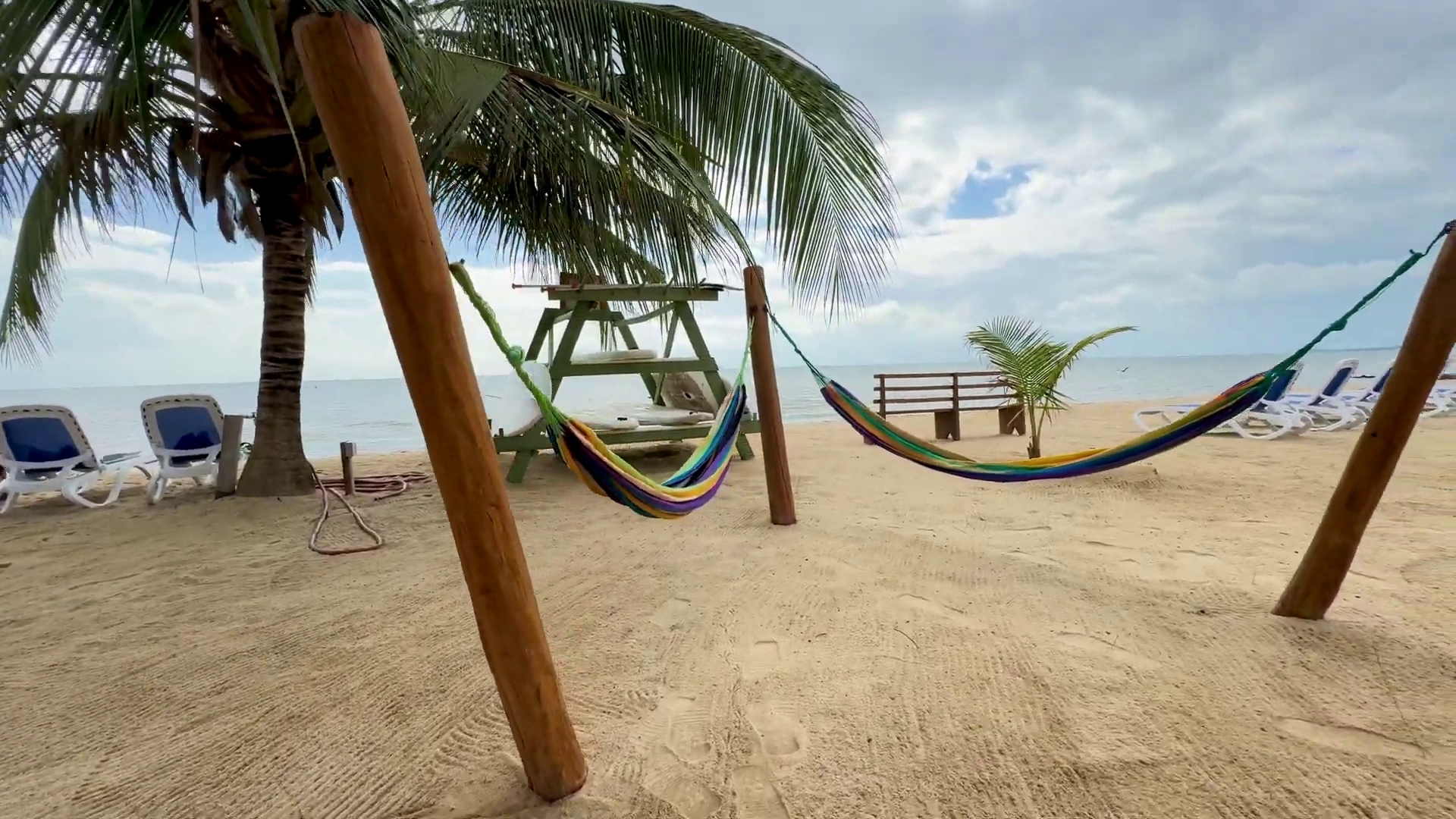
Scheduled for policy debate in 2026, a planned 3.5 percentage point increase to Belize’s hotel accommodation tax has sparked widespread pushback from the country’s tourism sector, with stakeholders warning the move could erode the industry’s recent growth and drive price-sensitive travelers to competing regional destinations.
Belize has built a strong reputation as a top Caribbean and Central American vacation spot in recent years, but industry leaders say that hard-won momentum is at serious risk from the government’s tax proposal. Reynaldo Malik, president of the Belize Hotel Association (BHA), explained that the sector is already navigating a perfect storm of economic pressures, from soaring local operating costs to slowing discretionary spending among Belize’s largest visitor group: American travelers, who are currently grappling with their own domestic inflation.
Against this backdrop, Belize competes fiercely for tourist dollars with a long list of neighboring destinations, including Cancun, Jamaica, the Bahamas, the Dominican Republic, Costa Rica, El Salvador and Panama. A sudden tax hike that pushes up vacation prices would make Belize one of the most expensive options in the region, Malik warned, a shift that would quickly erode the country’s global market share.
The proposed increase comes at a time when local hotel operators are already seeing profit margins shrink under the weight of rising overheads. Alina Saldivar, a BHA member and owner of Caye Caulker’s Island Magic Beach Resort and Island Magic Villas, highlighted that operators already cover steep uncompensated costs for routine maintenance and environmental management. Hotels in high-traffic coastal areas spend heavily each year to combat invasive sargassum seaweed, while salt air accelerates wear and tear on furniture, appliances and building infrastructure. Unlike many other tourism-dependent destinations, Belize offers no import duty relief for essential hotel supplies, from linens to air conditioning units to disposable cleaning supplies, Saldivar said. Coupled with already soaring costs for food, fuel, electricity and labor, the new tax would deliver an unaffordable additional financial blow, she added.
Opposition to the tax hike extends beyond industry groups: the United Democratic Party (UDP) has formally come out against the measure, warning it will damage Belize’s national competitiveness. The party is calling on the government to prioritize broad economic growth instead, and has demanded the Belize Tourism Board (BTB) release empirical data to justify the proposed increase.
Efren Perez, president of the Belize Tourism Industry Association (BTIA), echoed concerns that cost-conscious international travelers – including those shopping for vacations from European and North American markets – will simply book alternate getaways if Belize’s prices rise. When positioning the Belize brand internationally, Perez noted, neighboring competitors like Costa Rica and the Dominican Republic already maintain far more attractive price points for budget and mid-range travelers.
A key point of frustration for sector leaders is the lack of transparency around the proposal. As of late August 2026, no formal written government proposal outlining the tax increase has been shared with industry stakeholders, leaving critical questions unanswered. Stewart Krohn, managing director and general manager of Placencia’s luxury Naia Resort, questioned where the new tax revenue would be directed, and whether it would be allocated to central government operations or the BTB – and crucially, whether any funds would be reinvested in tourism promotion or infrastructure to support the sector. “These are all questions the industry still can’t answer right now,” Krohn noted.
Last week, the BHA formally submitted its list of concerns to the Ministry of Tourism, urging policymakers to pivot from raising taxes to expanding targeted support for local tourism businesses. Bilateral talks between the association and government officials are currently underway to negotiate a path forward. The report was filed by Britney Gordon for News Five.