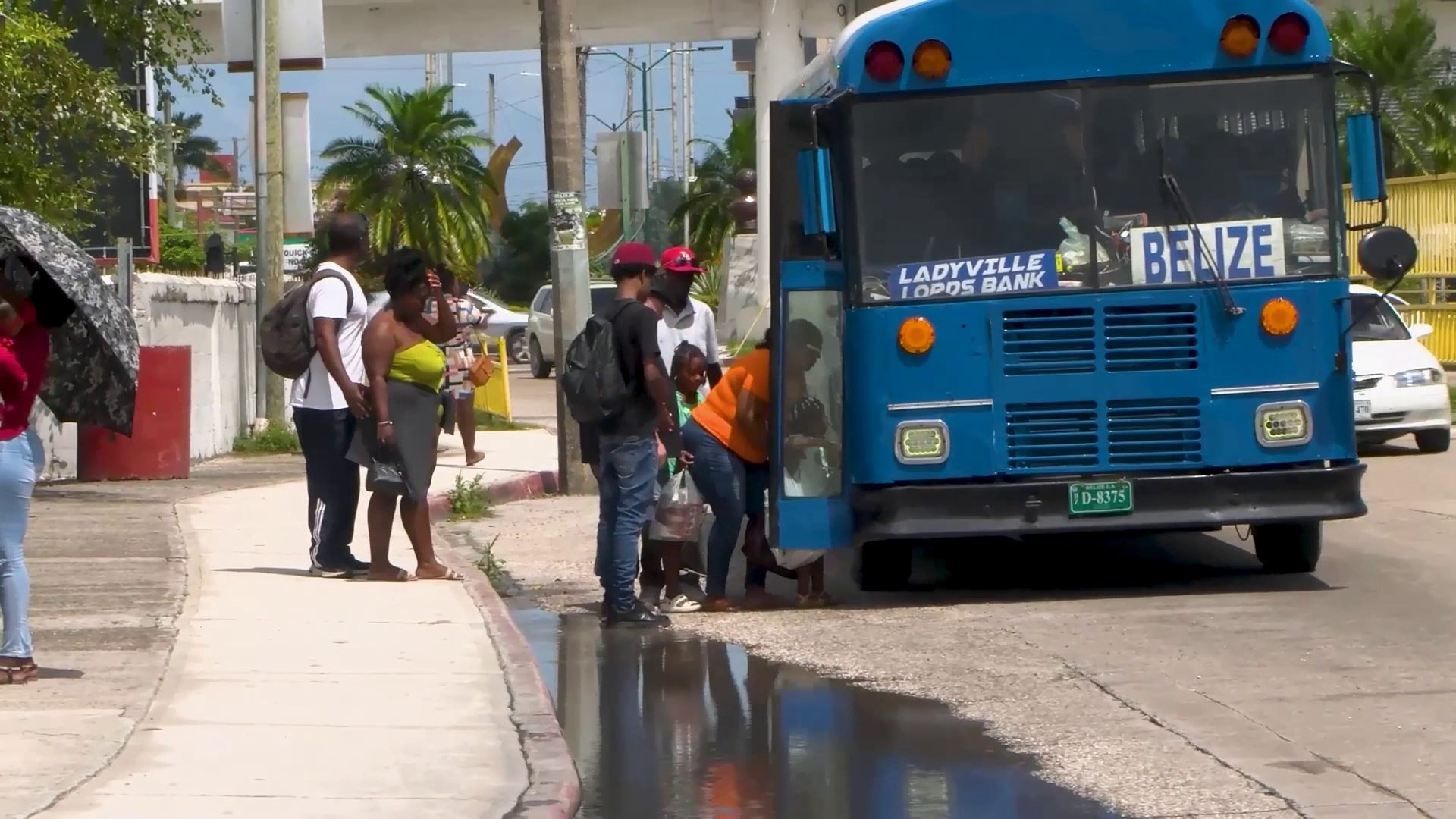
On August 25, 2026, Belize’s government confirmed it will move forward with formal deliberations on long-simmering fuel subsidy demands from the Belize Bus Association (BBA), after a planned service disruption that threatened widespread disruption to daily commuter life was temporarily paused last week.
For thousands of Belizean residents relying on public bus transit to reach workplaces, schools, and critical medical and community services, any interruption to service would carry immediate, severe consequences. That risk became tangible last week as frictions between the BBA and government escalated over skyrocketing global fuel prices. Bus operators have repeatedly emphasized that existing and expanded fuel subsidies are non-negotiable for keeping their small businesses operational and avoiding dramatic fare hikes that would price out low-income commuters. While operators have agreed to hold off on service cuts as negotiations progress, the core dispute remains unresolved, leaving both sides and commuters in a holding pattern.
In an interview with local outlet News Five on the morning of August 25, Belize Transport Minister Dr. Louis Zabaneh outlined the government’s current approach to the negotiation, stressing that officials are prioritizing finding a durable outcome that avoids shifting undue burden to everyday commuters. “When the BBA first sent their formal request, they were still receiving existing subsidy allocations, and they were correct to flag that the terms needed to be revisited,” Zabaneh explained. “We committed to addressing the matter at the appropriate time, asked them to formally submit the request to the Prime Minister so we could bring it before cabinet, and that process is now underway.”
Zabaneh walked through the history of Belize’s existing public transport fuel subsidy framework to contextualize the current deliberations. The original subsidy program was rolled out during a period of sustained global fuel price increases that put financial strain on transport operators and consumers across the world. After extensive back-and-forth negotiations between government and the BBA, the current framework was adopted, combining direct fuel subsidies with a modest, controlled fare increase. Officials also debated alternative adjustments at the time, including a larger per-mile fare hike and exemptions from import duties on key operational inputs like tires.
“Putting together a data-driven proposal that accounts for current market conditions has required in-depth analysis from our technical team,” Zabaneh noted. “Right now, our team is finalizing that full presentation for cabinet, including a side-by-side comparison of current fuel price trends versus when the original subsidy was launched. Cabinet needs all relevant facts on the table to make a thoughtful, informed decision that works for both operators and commuters.”
Moving forward, the Belizean government is focused on building a long-term sustainable solution through a new public-private partnership model for the public transport sector, according to Zabaneh. A formal cabinet deliberation on the BBA’s subsidy demands is scheduled for September 4, and officials expect to release a public update on the partnership’s progress and planned adjustments within the first six months of implementation.