As the cost of basic goods and services continues to squeeze household budgets across Belize, demands for a long-promised minimum wage increase are growing louder, putting the Briceño administration in the spotlight over its response to the country’s cost-of-living crisis.
The current debate was reignited by Union Senator Glenfield Dennison, who drew a stark comparison to highlight the inadequacy of Belize’s current $5 per hour minimum wage: even one full hour of work at the base pay rate is barely enough to cover the cost of a single gallon of gasoline. Dennison has repeated calls for the government to raise the minimum wage to $6 an hour, a step that has been delayed for months as policymakers weigh competing economic pressures.
In a recent interview with reporters, Prime Minister John Briceño laid out the government’s rationale for the delay, explaining that a responsible approach requires balancing the needs of low-wage workers with the realities of the private sector. Briceño noted that hasty, large-scale wage increases would push businesses that are already struggling with rising operating costs to cut jobs, slow expansion, or pass additional costs onto consumers through higher prices, worsening the country’s inflation trajectory.
“I would have implemented this increase yesterday if I could,” Briceño told reporters. “But any policy change requires a careful process. We have committed to raising the rate by one dollar to $6 an hour, but we first promised the Belize Chamber of Commerce that we would sit down for detailed discussions to determine a timeline that works for all stakeholders.” Briceño also pushed back on Dennison’s public criticism, suggesting the union senator does not fully grasp the full scope of economic tradeoffs the government must consider.
Beyond the minimum wage debate, the prime minister defended his administration’s existing efforts to ease financial strain on Belizean families, pointing to a series of policy changes designed to put more disposable income into household pockets. These include raising the income tax exemption threshold, expanding the country’s National Health Insurance program to cover more residents, and eliminating tuition, uniform, and textbook fees for students at all government-run high schools. Briceño also noted that the government has no control over the price of imported goods, which make up the vast majority of consumer products in Belize and have driven much of the recent growth in living costs.
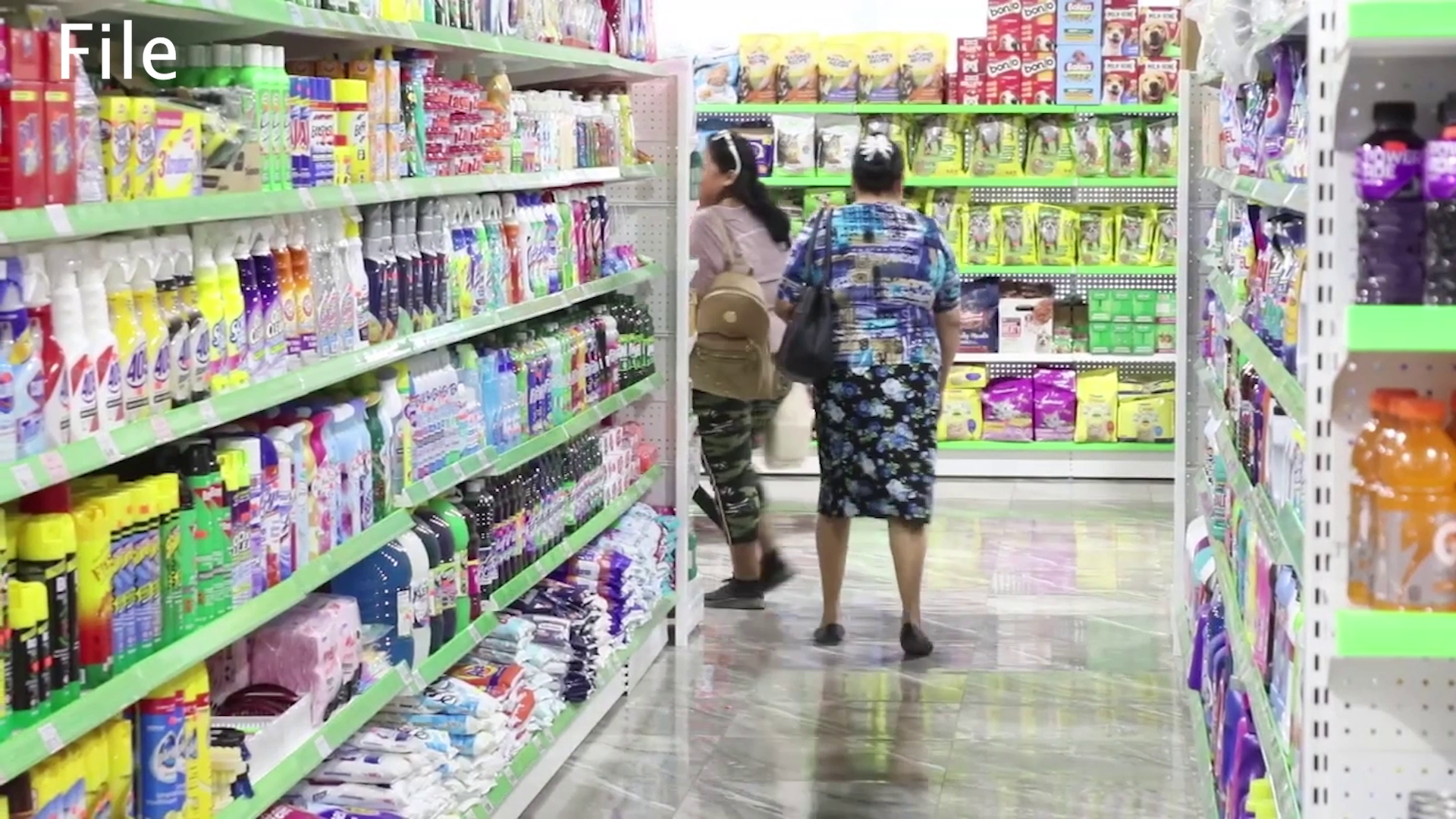
Even with these measures in place, many Belizeans continue to report that existing support is not enough to offset rising grocery, utility, and fuel prices. When reporters pressed Briceño on the status of a previously proposed government-run community store initiative designed to lower prices for basic goods, he confirmed the project is still in development. The administration plans to cap markup on essential items at just 5% to keep prices affordable, but officials are still working to secure the right private sector partners to avoid creating a long-term drain on public finances. The proposal will initially stock around 100 of the most commonly purchased basic consumer products, once the framework is finalized.
This report is a transcript of a televised evening news broadcast, with all Kriol-language statements transcribed using a standardized spelling system.