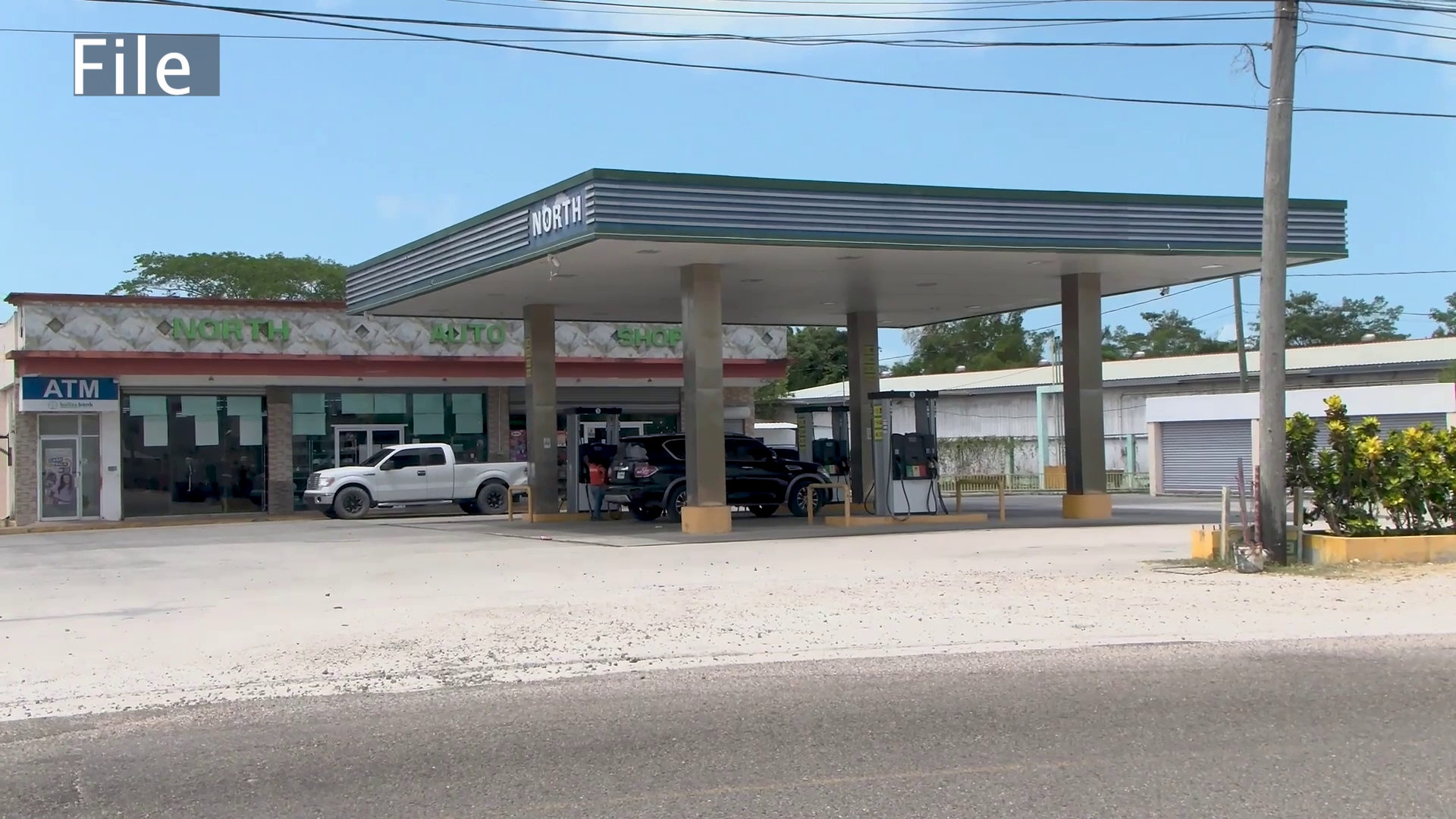
As global oil market volatility pushes fuel costs steadily upward, motorists across Belize are facing growing financial strain, intensifying public calls for the John Briceño-led government to implement additional relief measures for consumers.
Prime Minister Briceño has pinned the recent surge in fuel prices on the ongoing geopolitical stalemate between the United States and Iran, a conflict that has roiled global energy markets and hit small, open economies like Belize disproportionately hard. Unlike larger, more diversified nations that can absorb sudden energy price shocks, Belize’s limited economic scope leaves it extremely vulnerable to external market shifts driven by international conflict.
Addressing public calls for more aggressive intervention, Briceño noted that his administration has already moved to cut fuel taxes for consumers, bringing the price of diesel below two dollars per gallon. Critics of the government’s response, however, point to neighboring Guatemala’s more expansive relief package, where President Arévalo has implemented temporary full tax exemptions and binding price caps that remain in place through December. Local lawmaker Isani Cayetano has questioned why Belize cannot adopt a similar framework to ease the burden on working drivers and businesses that rely heavily on fuel for daily operations.
Briceño pushed back on calls for deeper cuts, framing the debate as a delicate balancing act between short-term consumer relief and long-term public service sustainability. Fuel tax revenues contribute more than $200 million annually to Belize’s national budget, accounting for over 10 percent of total government income. Eliminating these revenues entirely to match Guatemala’s policy, he argued, would force devastating cuts to critical social programs that rely on that funding, leaving the government with no clear way to fill the resulting budget gap.
“We can’t spend what we don’t have,” Briceño emphasized, noting that while greater tax cuts would bring immediate relief at the pump, they would undermine the government’s ability to deliver healthcare, education, and other core public services that Belizean families depend on. For the foreseeable future, the administration remains stuck between growing public frustration over rising fuel costs and the hard fiscal constraints that limit more aggressive policy action, with no clear resolution to the geopolitical tensions driving global price hikes on the horizon.