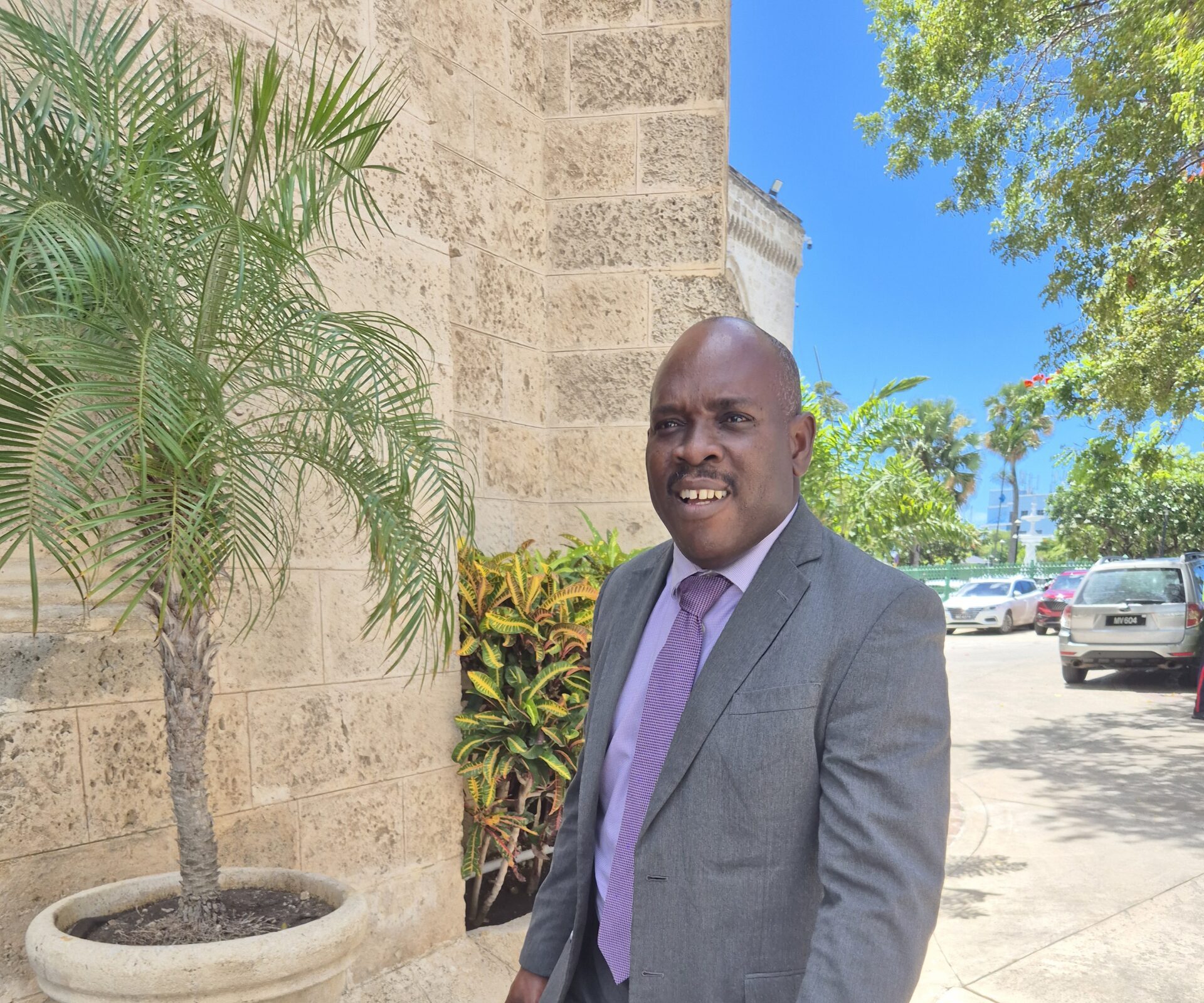
Against a backdrop of exploding growth in unregulated digital financial products and rising online fraud, Barbados’ Finance Minister Ryan Straughn has introduced landmark legislation to govern the virtual asset sector, while issuing an urgent public warning that Barbadians could lose their savings to unlicensed fraudulent platforms if they fail to verify provider credentials.
Straughn tabled the Virtual Assets Service Providers Bill before the country’s House of Assembly this Tuesday, outlining that the new regulatory framework is designed to achieve two core goals: reinforce consumer protection, and arm regulatory bodies and law enforcement with the legal tools required to crack down on digital financial fraud. As global financial markets continue to evolve rapidly, bringing new digital products into mainstream use, clear legislation is critical to give the Barbadian public greater certainty around their virtual asset investments, Straughn told assembled lawmakers.
The rapid proliferation of mobile apps and digital financial offerings has left ordinary consumers far more exposed to unvetted investment opportunities, with many people failing to conduct basic background checks to confirm the legitimacy of the entities behind advertised products, Straughn explained. Many consumers are lured by eye-catching promotions that fail to prove the substance and reliability of the virtual asset services on offer, a gap the new legislation is explicitly designed to close.
Under the terms of the proposed bill, any entity seeking to offer virtual asset services to Barbadian residents will first be required to obtain an official operating license from the country’s Financial Services Commission (FSC), and must complete the same rigorous regulatory due diligence process that already applies to traditional financial institutions including banks, credit unions, insurance providers, pension funds and mutual funds.
“ If there is anybody that wants to provide a virtual asset service to any Bajan, they must first come and get licensed with the Financial Services Commission, and go through the same regulatory process, like everybody else, to ensure that Barbadians are protected. We need to ensure Barbadians that there is a regulatory framework to protect them,” Straughn said.
Even with the new regulatory regime in place, however, Straughn stressed that government oversight cannot replace individual consumer vigilance, urging all Barbadians to cross-check any virtual asset service provider with the FSC via its official website, fsc.gov.bb, before committing any funds. “I urge Barbadians, before you click on something saying that is going to be a forex trading platform or is a crypto this or a crypto that, please check with the Financial Services Commission to see whether the person even made an attempt to register and to provide these services to you. Because once that money is gone, it gone,” he warned.
The minister noted that scammers are increasingly leveraging social media advertisements and in-app pop-up promotions to target potential victims, often baiting them with false promises of unrealistically high returns. A common tactic, he illustrated, sees pop-up ads for fake trading platforms offer users the chance to turn a $100 investment into $500 in less than a week. While the Barbadian government and FSC are developing technical blocks to restrict access to confirmed fraudulent platforms, Straughn cautioned that online scammers constantly adapt their tactics, meaning consumers must remain permanently alert to risks.
Referring to the Central Bank of Barbados’ recently launched BimPay digital payment system, which was designed to simplify everyday transactions, Straughn added that the convenience of modern digital financial tools does not eliminate the need for users to verify the legitimacy of any service provider before transferring funds. Unlike transactions processed through regulated traditional financial institutions, which offer clear pathways to recover lost or misappropriated funds, unregulated digital transfers offer no such safety net for consumers who fall victim to scams.
Straughn also issued a call to action for consumers who have already lost money to digital financial scams: instead of staying silent out of embarrassment, victims should report their experience to authorities. Official reports of scams allow law enforcement to launch investigations, and collaborate with partner agencies in other jurisdictions to trace and recover stolen funds.
Beyond consumer protection, the new legislation is also a critical step to safeguard the integrity of Barbados’ entire financial system, preventing criminal groups from exploiting unregulated virtual asset activity to launder money or circumvent legal financial requirements, Straughn explained. As virtual asset transactions increasingly cross national borders, the minister added that Barbados will coordinate closely with its CARICOM regional partners to address shared risks collectively, building a coordinated regional response to digital financial fraud.