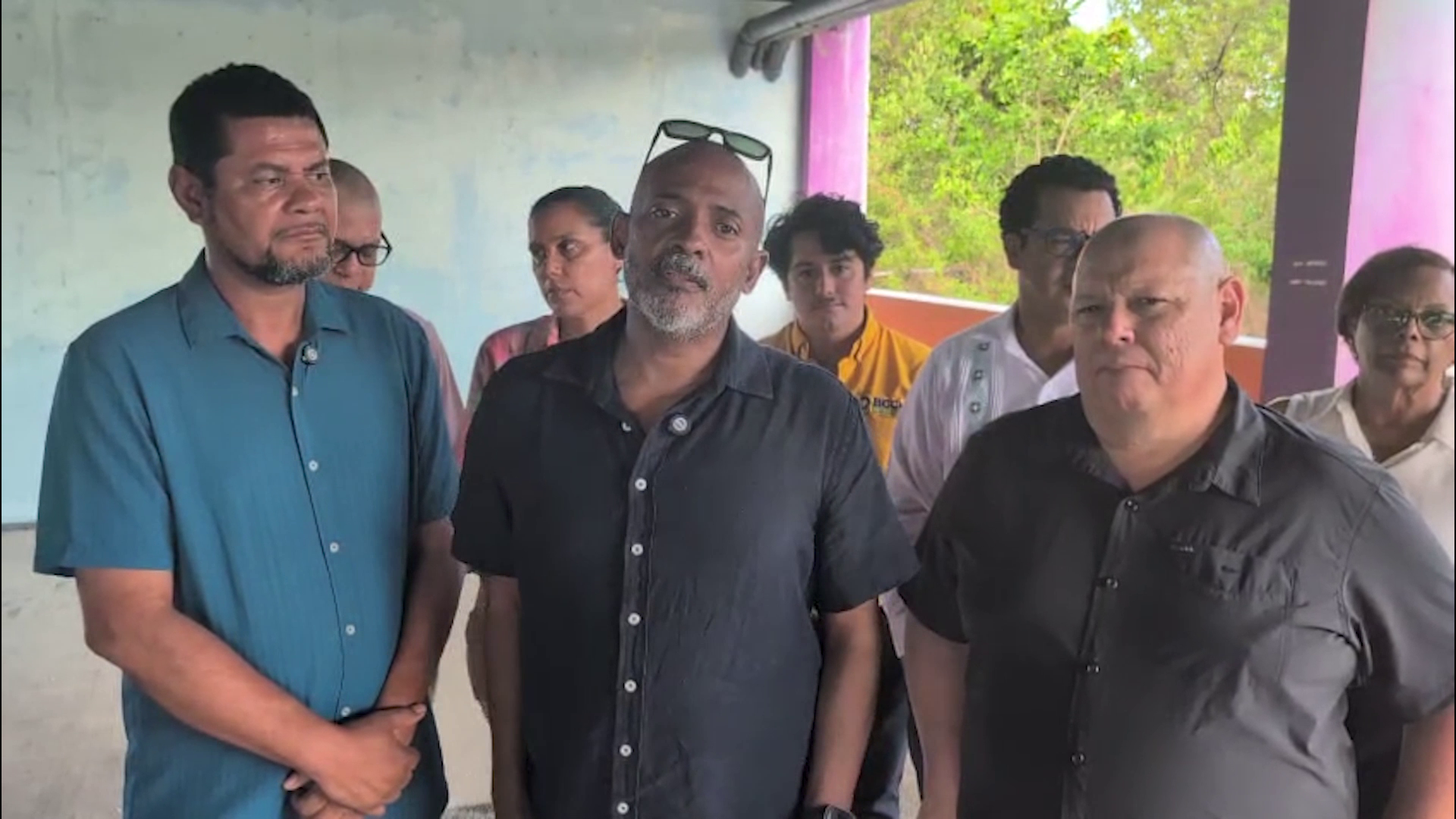
In a coordinated gathering with independent senators and civil society stakeholders on August 10, 2026, Belizean media owners have issued a stark warning that the proposed acquisition of Speednet by BTL poses an existential threat to the country’s foundational press freedom and democratic governance. What is being framed by proponents as a routine telecom industry consolidation, the leaders of independent media outlets argue, would ultimately create a state-aligned telecommunications monopoly that concentrates unprecedented control over national communication infrastructure in the hands of a single entity.
Senator Louis Wade, who owns local broadcaster Plus TV, explained that modern digital infrastructure has created new, undetectable avenues for interfering with independent media operations that did not exist in previous eras. “Decades ago, authorities seeking to silence critical reporting had to take overt actions like shutting down transmitters or revoking operating licenses,” Wade noted. “Today, through manipulation of IP addresses and digital network management, they can undermine media distribution without the public even noticing what is happening.”
Wade emphasized that the erosion of press freedom directly undermines the constitutional protections of expression Belize is built on. “Our constitution guarantees freedom of conscience, but that guarantee is meaningless if we cannot share our ideas openly,” he said. “A functioning democracy and a prosperous open market economy both depend on an open marketplace of ideas, where diverse independent perspectives can be heard. That is why we have come together to reject this acquisition.”
Jules Vasquez, owner of Tropical Vision, echoed Wade’s concerns, noting that independent media in Belize has a long history of resisting efforts to narrow public discourse. “Our organizational identity is rooted in pushing back against systems that block pluralistic opinion,” Vasquez said. “Any state-controlled monopoly over telecommunications poses an inherent threat to independent journalism, and any restriction on free journalism directly threatens how democracy functions. If that line is crossed, we could see far-reaching consequences for the entire country.”
Mose Hyde, owner of XTV, confirmed that independent media’s opposition to the deal remains unchanged, more than a year after concerns were first raised. The meeting, called by independent senators to confirm the coalition’s stance, reaffirmed the unified opposition that formed in mid-2025. Hyde stressed that the risk is amplified by the fact that the monopoly would fall under partial state control, a structure that gives the government implicit power to penalize critical outlets. “We have already experienced punitive measures for the positions our outlets have taken,” Hyde said. “Today, almost all news distribution to audiences relies on digital telecom infrastructure. That makes us more vulnerable to interference than ever before. This concentration of power is simply unacceptable.”
Hyde declined to share specific details of the coalition’s next steps, saying only that the gathering was productive and the opposition coalition remains solid. The group has formally called on Belize’s Public Utilities Commission to intervene and block the merger, arguing it would create a dangerous concentration of power in the country’s telecom sector that threatens the public’s right to diverse, independent information.