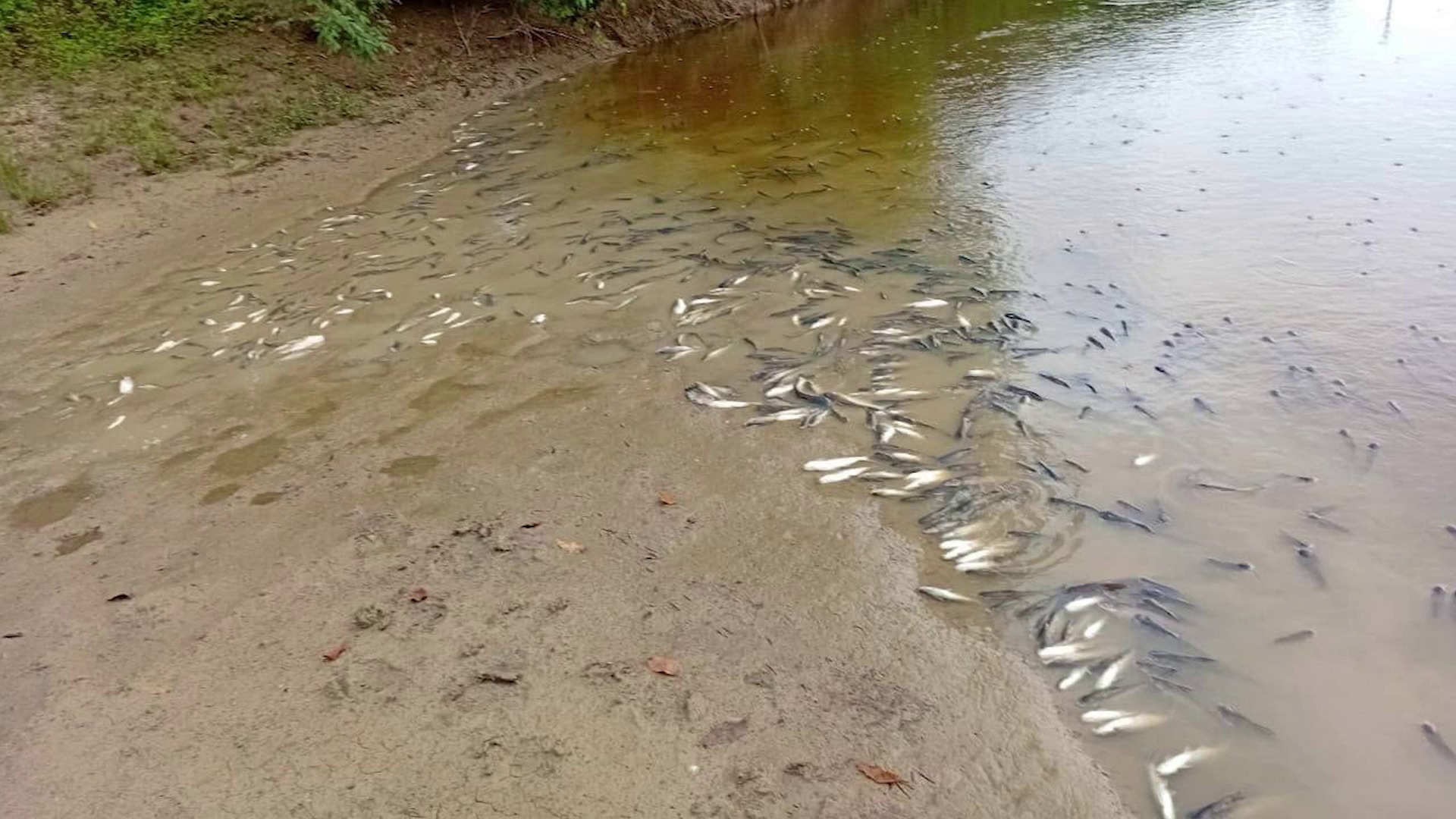
In the quiet Belize River Valley that has long sustained local communities, a sudden and unexplained mass fish death event has upended daily life, leaving residents demanding answers and prompting urgent government investigation. The event, which unfolded earlier this week, left dozens of dead fish bobbing along riverbanks, forcing authorities to issue an immediate warning barring public contact with aquatic life from the impacted stretch of water. As of August 6, 2026, the core cause of the die-off remains unconfirmed, though early preliminary data points to critically low dissolved oxygen levels in the affected water. For generations, communities along the Belize River have relied on the waterway for fishing, domestic use, and livelihood, turning this environmental disturbance into a pressing public concern that goes far beyond the dead fish washing ashore. Local resident Sharon Robinson, who lives in the community of Flowers Bank, drew a parallel to a similar die-off that hit the region roughly a decade ago, when a mass mortality event wiped out local lobster populations that have only recently started to recover. She suspects the source of the current contamination is located upstream on the Cayo side of the river, with pollutants carried downstream to the valley’s waters. A multi-agency investigation team, assembled in response to the incident, has already begun collecting water samples and mapping potential sources of pollution across the watershed, but investigators have yet to reach a definitive conclusion on what triggered the die-off. Ecologist Dr. Colin Young laid out one of the leading potential explanations for the oxygen depletion that has been tied to the fish kill. He noted that the region has recently seen heavy rainfall, which increases agricultural runoff carrying large volumes of sediment as well as nitrogen-based fertilizers from nearby farms into the river. When these nutrients and sediment enter the waterway, they fuel rapid, unchecked growth of algae and bacteria, which in turn consume most of the available dissolved oxygen in the water — creating hypoxic conditions that fish cannot survive in. Dr. Young added that the problem is not limited to this single event; for years, unregulated canal digging in the watershed has routinely deposited excess sediment, fertilizers, and other pollutants into the Belize River, creating a cumulative risk of harmful ecological events. He emphasized that slower, deeper, wider stretches of the river are particularly prone to trapping these pollutants, allowing oxygen levels to drop to lethal levels for aquatic life, even if the source of contamination is located much farther upstream. Currently, the Belize Department of the Environment (DOE) has maintained its strict safety advisory for residents: no consumption of fish or other aquatic life from impacted areas, no use of untreated river water for drinking, cooking, or watering livestock. The DOE has confirmed that the majority of local households receive safe treated water from Belize Water Services Limited (BWSL), but a significant number of residents still rely directly on the river for daily needs, making the warning a critical priority for public safety. Isabella Bank resident Francisca Madril shared the widespread community anxiety over the incident, saying she remains deeply concerned about the impact of the dead fish and contaminated water. Despite the uncertainty surrounding the cause and long-term impacts, many residents have reported early signs of improvement in recent days: water clarity has increased from the dark, murky conditions seen earlier in the week, and far fewer dead fish are seen floating downstream. That small improvement has not quelled resident concerns, however. Robinson explained that even with current low water levels, rising tides could carry contaminated water into residential yards, threatening backyard gardens and livestock that many families depend on. Dr. Young argued that while Belize already has strong environmental protection laws on the books to prevent unregulated sediment runoff and pollution, consistent enforcement has been lacking, allowing risky development and agricultural practices to continue unchecked. Development should not come at the cost of the river ecosystem that supports local communities, he emphasized. Now, residents across the Belize River Valley are calling for a full, transparent public investigation into the fish kill, and are demanding accountability for any parties found responsible for illegal pollution that contributed to the event. As investigators continue their work, the community remains on edge, waiting for confirmation of when their lifeline river will be safe to use again.