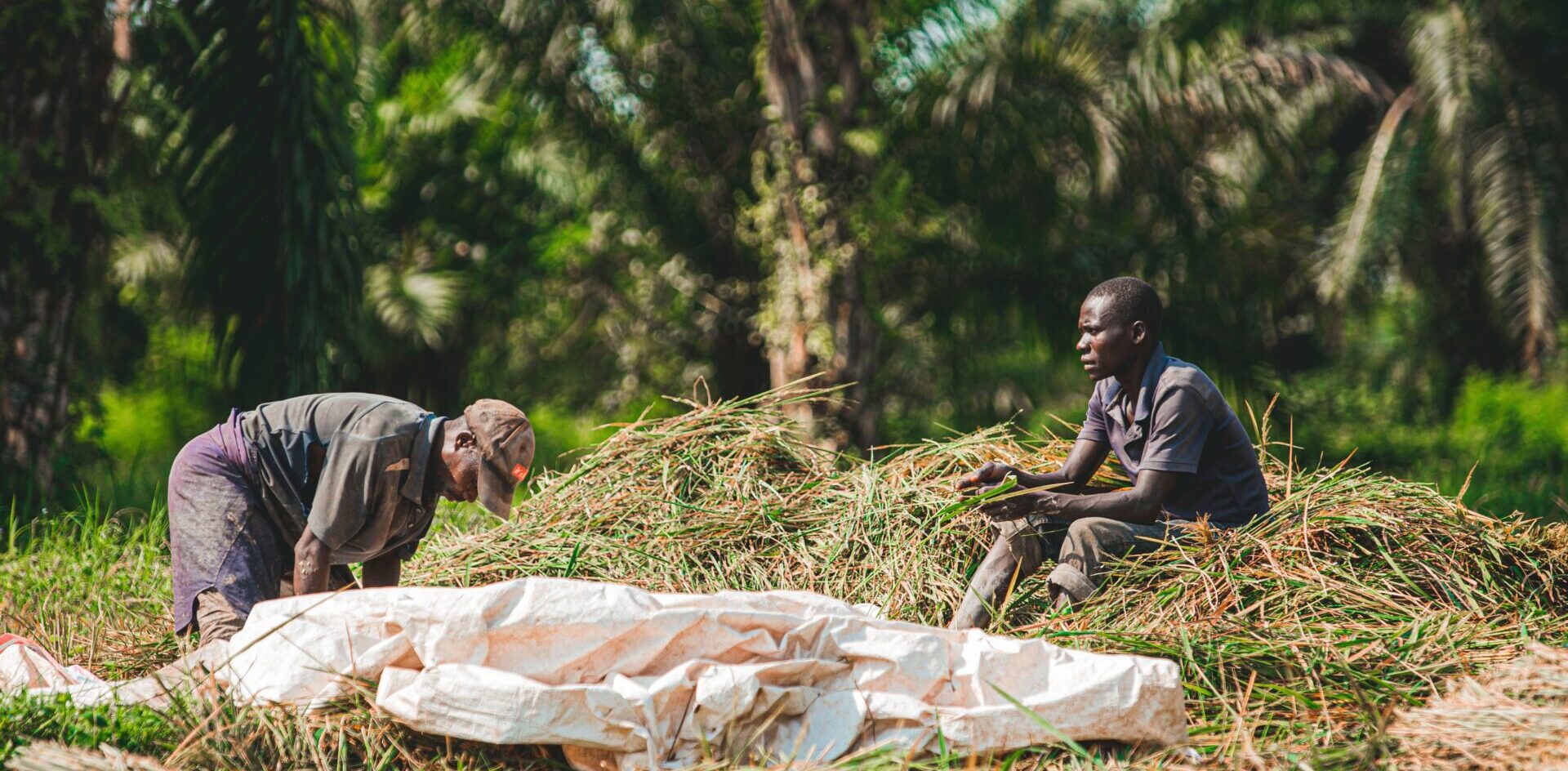
As the 2026–2027 El Niño weather event approaches, the International Labour Organization (ILO) has issued an urgent warning about its potentially devastating and wide-ranging impacts on working populations across Latin America and the Caribbean. In a newly released policy brief titled *El Niño 2026–2027 and the world of work in Latin America and the Caribbean: a causal chain from climate to employment and labour institutions*, the agency highlights that informal sector employees, rural community members, and outdoor laborers will face the greatest exposure to climate-related labor market disruptions.
Shifting precipitation patterns driven by El Niño are projected to upend multiple core regional economic sectors, the brief notes. Agriculture, which underpins livelihoods for millions across the region, is expected to face widespread disruption, alongside fisheries, tourism, transportation and logistics networks, and energy infrastructure. These industry-level shocks are forecast to cascade into a series of interconnected harms for working households: widespread layoffs and reduced working hours that push incomes down, a deterioration of already strained working conditions, rising food and energy prices that stretch household budgets thinner, growing food insecurity, and even an elevated risk of child labor as vulnerable families struggle to cover basic expenses.
Fabio Bertranou, ILO Deputy Regional Director for Latin America and the Caribbean, emphasized that the approaching El Niño presents a major systemic test to regional efforts to uphold full employment and decent work for all. “The scale of its impacts will depend on countries’ ability to anticipate them through strong labour market institutions, social protection systems and social dialogue that protect those who are most vulnerable,” Bertranou said.
The ILO’s analysis underlines that climate impacts will not be uniform across the region. Different geographic zones will face distinct extreme weather threats: the Caribbean, the Central American Dry Corridor, and northern South America are bracing for prolonged drought, acute water scarcity, and dangerous heatwaves; the Pacific coastlines of Ecuador and Peru face a high risk of catastrophic flooding; and southeastern South America is projected to experience above-average rainfall and intense storm systems.
A key point of concern for the ILO is the large share of informal labor across the region. Nearly half of all working people in Latin America and the Caribbean earn their livelihood in the informal economy, a segment where access to formal social protection schemes such as unemployment insurance, health care, and disaster relief is extremely limited. When climate shocks hit and eliminate work opportunities, these workers are left with almost no safety net to buffer the loss of income, leaving them far more vulnerable than their formally employed peers.
To mitigate these risks, the ILO is calling on regional governments to take proactive, pre-emptive action before the full effects of El Niño unfold. Key recommended steps include expanding and strengthening existing social protection frameworks to cover informal and vulnerable workers, directing investment toward climate-resilient infrastructure that can withstand extreme weather, updating occupational safety standards to protect outdoor workers from heat and other climate hazards, rolling out improved early warning systems to at-risk communities, and fostering ongoing tripartite dialogue between governments, employer associations, and worker representatives to shape effective response policies.
Ultimately, the ILO stresses that building a clear understanding of how extreme climate events transmit shocks through national economies and labor markets is a foundational requirement to protect existing jobs, preserve livelihoods, and guarantee decent working conditions as the 2026–2027 El Niño develops.