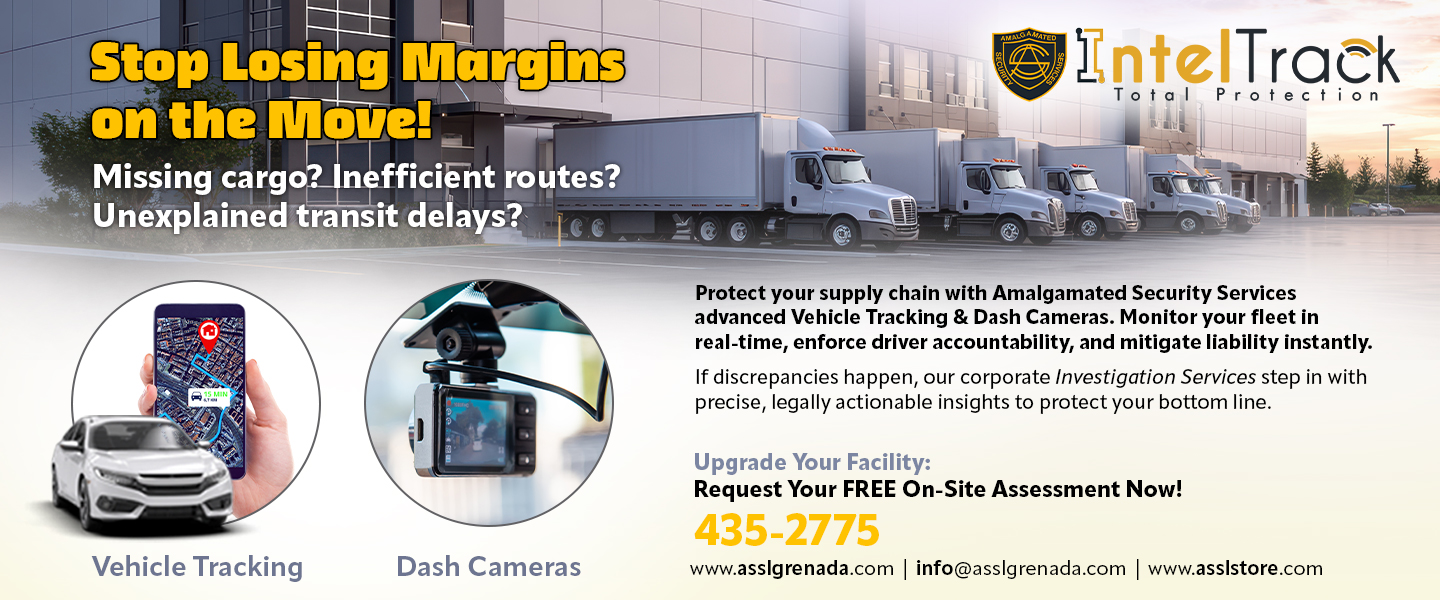
For companies across nearly every industry, commercial vehicles rank among the most critical and high-cost assets supporting daily operations. From making last-mile product deliveries and conducting on-site client service calls to shuttling staff, patrolling properties, and accessing remote work sites, these vehicles keep businesses running – yet many business owners lack clear insight into how their assets are actually being used. Without specialized monitoring tools, basic questions that directly impact profitability and risk, such as a vehicle’s current location, whether it arrived at a destination on schedule, why fuel costs are creeping upward, or what truly unfolded during a roadside accident, often go unanswered. This gap in visibility is where modern vehicle tracking systems and advanced dash camera technology deliver transformative value.
A common misconception among small and mid-sized business owners is that these telematics solutions are only accessible to large companies with massive fleets of dozens of vehicles. But technological advancements and market competition have reshaped this landscape dramatically: today’s tracking and camera systems are more affordable, simpler to install, and designed to work just as effectively for businesses operating only one or two work vehicles as they do for large fleet operations.
Contrary to the popular assumption that vehicle tracking only serves to display a vehicle’s location on a digital map, contemporary systems generate a wide range of actionable data that drives bottom-line improvements. These platforms let business leaders monitor real-time vehicle location, the exact routes drivers take, instances of unsafe speeding, periods of excessive idling, precise arrival and departure times at destinations, and any unauthorized off-hours use of company vehicles.
Fuel consistently ranks as one of the largest ongoing operating expenses for vehicle-dependent businesses, and even small inefficiencies can accumulate into major cost overruns over months. Unnecessary idling, poorly planned routes, and unauthorized personal use of company vehicles all create hidden costs that often go undetected without tracking data. Vehicle tracking pinpoints these wasteful habits, giving management the insights needed to implement corrective changes that boost operational efficiency. For most businesses, the fuel and labor savings generated by the system offset the initial investment far faster than expected.
Beyond cost reduction, tracking technology also delivers measurable improvements to customer service. Modern consumers and clients expect timely updates and accurate arrival estimates when waiting for service or deliveries. With real-time tracking data, operational teams do not have to guess the location of a technician or delivery driver – they can access accurate location data instantly, share precise updates with customers, and respond faster when unexpected delays arise. This not only boosts overall customer satisfaction but also helps frontline teams work more efficiently.
A key feature of many modern tracking systems is geo-fencing, which lets business owners create custom virtual boundaries around specific locations or approved routes. The system automatically sends an alert if a vehicle enters or exits a designated zone, making it easy to ensure drivers stick to approved routes, arrive on schedule at client sites, and do not use company vehicles for unapproved personal trips. For business owners managing multiple vehicles, this extra layer of visibility is an invaluable management tool.
While vehicle tracking answers questions of where a vehicle has been and where it is now, dash cameras answer the critical question of what actually occurred on the road. Today’s dash camera systems are far more advanced than the basic, grainy recording devices many business owners remember from just a few years ago. Modern solutions offer a range of capabilities, including forward-facing road cameras, driver-facing cameras for monitoring cabin behavior, full interior vehicle monitoring, cloud-based storage for instant video retrieval, event-triggered automatic recording when an incident is detected, and AI-powered safety alerts for high-risk behavior. This combination of features creates an extra layer of protection for both the business and its drivers.
One of the top reasons organizations invest in dash cameras is to protect themselves and their drivers in the event of an accident. After a collision, conflicting accounts of what happened are common, and without objective evidence, businesses can get dragged into lengthy, costly legal disputes with other drivers, insurance providers, and third parties. Dash camera footage provides an unbiased, unambiguous record of events, and in most cases, just a few seconds of clear video can resolve disputes quickly, reduce overall business liability, and shield innocent drivers from false blame and claims.
Dash cameras also help encourage safer driving habits across an organization. When drivers know their behavior on the road can be reviewed, they are far more likely to comply with company driving policies and follow safe road practices. Most businesses that implement dash camera systems report immediate reductions in speeding, distracted driving, and other high-risk behaviors. This translates to fewer accidents, less costly vehicle damage, lower ongoing maintenance expenses, and a safer work environment for all staff.
The combined benefits of vehicle tracking and dash camera systems extend far beyond basic security and accident protection. When deployed effectively, these tools help businesses cut unnecessary fuel costs, increase driver accountability, reduce unauthorized vehicle use, shorten and minimize accident-related disputes, and boost overall operational efficiency. For most businesses, the single greatest advantage is also the most fundamental: the visibility to identify problems that were previously hidden. As the old management adage goes, you cannot improve what you cannot measure – and these tools give business owners full clarity into one of their largest asset classes.
For any business that relies on vehicles to operate, it is worth asking a few key questions to evaluate whether monitoring technology can deliver value: Do you know exactly where all your work vehicles are during operating hours? Could you prove what happened if one of your vehicles is involved in an accident? Are hidden unnecessary fuel costs eating into your profit margins? Can you identify unsafe driving habits before they lead to a serious accident? Are you getting the maximum possible return from your fleet investment?
Amalgamated Security Services (Grenada) Ltd. (ASSL Grenada) is offering businesses the chance to test the latest vehicle tracking, geo-fencing, driver behavior monitoring, and dash camera technology with a no-obligation in-vehicle demonstration. The ASSL team can install a demonstration unit directly on a business’s vehicle, walk management through all core features, and show how the technology performs in real-world operating conditions. The company is currently offering a free Fleet Assessment, on-site visit, and live demonstration with no cost, no obligation, and no sales pressure for interested businesses.
To schedule your free Fleet Assessment and vehicle demonstration, contact Amalgamated Security Services (Grenada) Ltd. today at 435-ASSL (2775) or email [email protected] to learn more about how greater fleet visibility can cut your operating costs, improve driver accountability, and protect your business from unnecessary risk.