Five years after government draftsmen completed the first version of Belize’s landmark Protected Disclosures Bill—better known as the Whistleblowers Bill—the proposed anti-corruption legislation remains mired in legislative limbo, leaving would-be corruption informants exposed to retaliation and derailing the country’s commitments to strengthen good governance. Today, legal analysts, labor leaders and transparency advocates are calling for sweeping revisions to the existing draft, arguing that the current text falls far short of international standards to protect people who speak out against public and private wrongdoing, leaving a critical gap in Belize’s accountability framework.
The push for formal whistleblower protection in Belize stretches back more than a decade. Dean Flowers, president of the Public Service Union of Belize, explained that the campaign for dedicated legislation first emerged as a collective bargaining demand in the union’s 2009 policy proposals, was officially tabled for debate under the previous Barrow administration in 2012, and only secured a commitment to draft formal legislation from Prime Minister John Briceño’s current administration in 2020. The final draft was completed in 2021, but five years later, it has yet to move to a parliamentary vote or enactment.
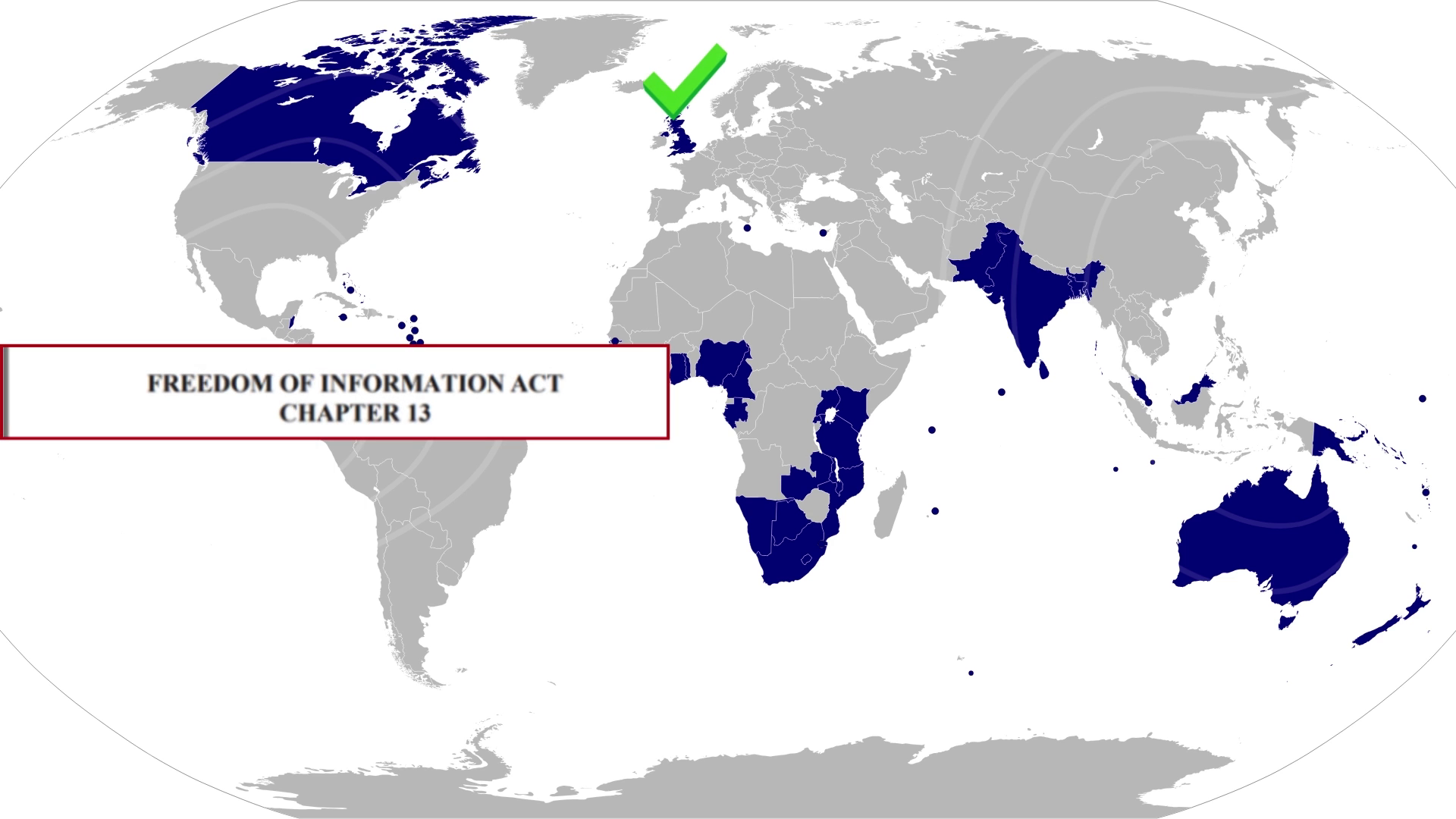
Across the broader Commonwealth and Caribbean Community (CARICOM), Belize’s delay is not an anomaly. Of the 56 member states that make up the Commonwealth, fewer than half have passed dedicated whistleblower protection laws, and within CARICOM, only a small number of nations have followed Jamaica’s lead in enacting comprehensive protected disclosure legislation.
For many Belizeans, the human cost of lacking this legislation is not an abstract issue. In 2013, high-profile whistleblower Alvarine Burgess exposed a major national immigration scandal that forced calls for the removal of then-Minister of State Edmond Castro. According to prominent Belizean attorney Richard “Dickie” Bradley, Burgess was ultimately forced to flee the country after facing retaliation for speaking out publicly about the corruption.
Today, the Briceño administration faces new scrutiny over leaked documents revealing lax oversight of the Ministry of Defense’s Smart Stream payment program, with key questions left unanswered as government agencies deflect responsibility. Transparency advocates warn that without formal whistleblower protections, potential informants are unlikely to step forward with evidence that could resolve the lingering controversy. Compounding the gap in accountability, Belize has operated without an ombudsman since late 2025, leaving no independent body to field reports of misconduct.
Former Ombudsman Major Gilbert Swaso (Ret’d) noted that fear of retaliation has created a culture of silence across the public sector, which is Belize’s largest employer. “Fear is defeating integrity,” Swaso explained. “Several people are afraid to do the right thing, which is to report any wrong that is being perpetrated by anyone.”
After the draft bill was released in 2021, key stakeholders including the Public Service Union and the Belize Chambers of Commerce and Industry (BCCI) conducted a formal review and identified multiple critical deficiencies in the text. Reyhan Rosado, chief policy analyst at BCCI, said the draft’s existing protections for whistleblowers and their family members fall far short of international best practices, and the legislation lacks a key incentive common to effective whistleblower frameworks: a reward system for disclosures that recover lost public funds.
Critics point out that while Belize already has accountability-focused institutions such as the Integrity Commission, these bodies are not equipped to protect whistleblowers from retaliation. The full list of flaws identified in the current draft includes: no full protection for anonymous reports, no provisions for financial rewards, no formal physical safety protections, limited formal reporting channels, no independent dedicated whistleblower oversight agency, and no reverse burden of proof for people facing retaliation after making a disclosure.
Bradley warned that without comprehensive whistleblower protections and an end to political interference in public service hiring, Belize risks deepening systemic corruption. “If we continue as a young country to allow politicians to give their supporters these important jobs, Belize is on the way to become a failed state because then the politicians and the public servants are going to be in collusion to be able to waste and steal resources, which primarily is money,” Bradley said.
Stakeholders have put forward a package of proposed amendments to address the gaps in the current draft. The changes would create an independent whistleblower protection agency, mandate formal police protection for at-risk informants, introduce financial rewards for disclosures that lead to recovered public funds, codify full protections for anonymous reporting, extend protections to whistleblowers’ family members, increase penalties for people who retaliate against informants, and establish faster legal relief for whistleblowers who face retaliation.
Attorney General Anthony Sylvestre confirmed that the recommendations have been formally submitted to the government and are currently under active review. “That’s an ongoing discussion. The unions and other stakeholders and social partners have raised that as an issue. As to that live issue, no final determination has been made, but certainly it is something that has been brought to government’s attention and it is still under review,” Sylvestre said.
Across the board, advocates agree that Belize needs whistleblower legislation—their concern is whether the current draft before lawmakers goes far enough to encourage people to speak up. If potential informants continue to fear job loss, retaliation, or putting their families at risk, critics note, most will choose to stay silent, leaving systemic corruption unchallenged and undermining Belize’s commitments to transparent, accountable governance.