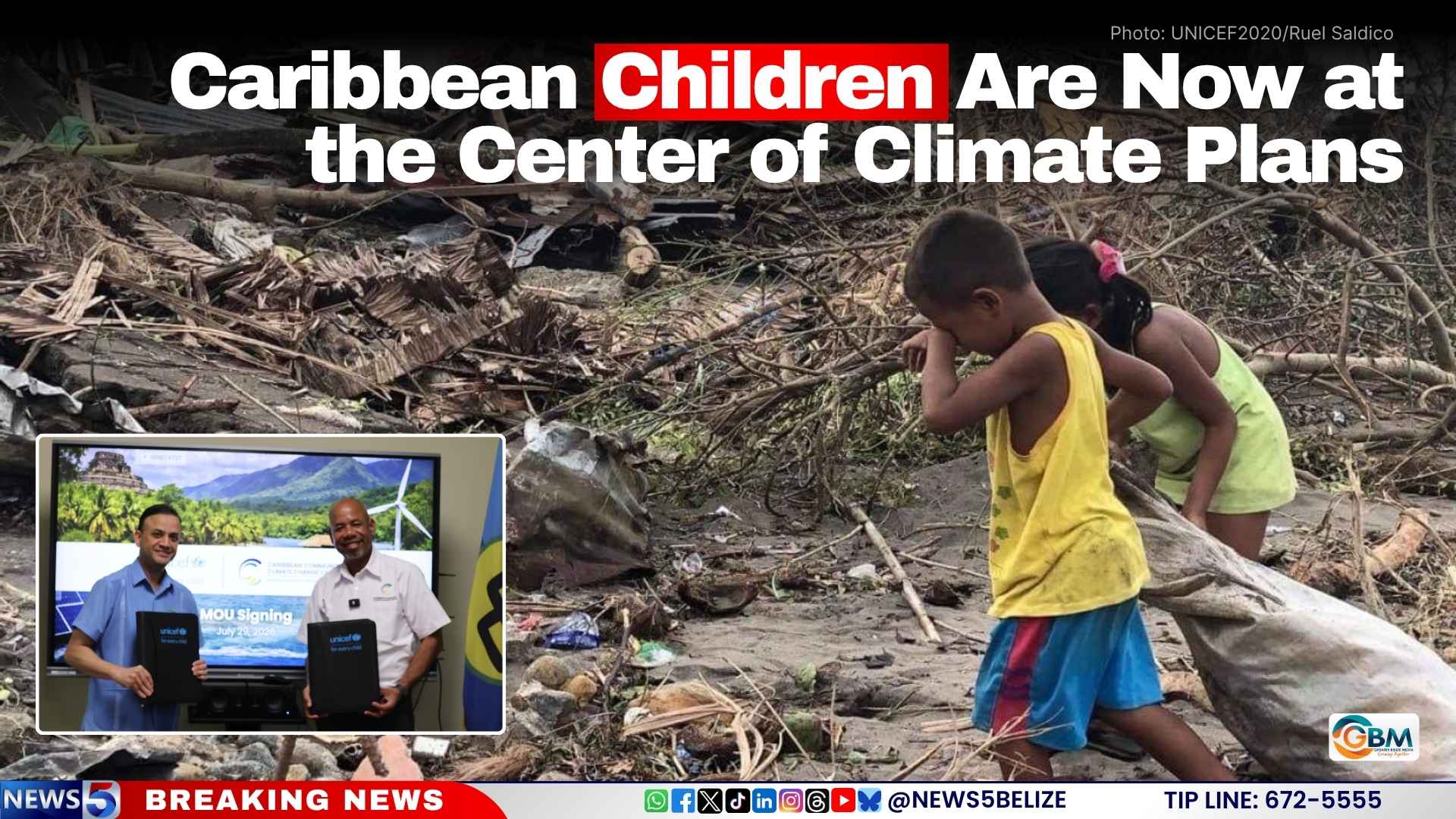
Across the Caribbean, a rapidly shifting climate landscape is redefining how global organizations frame the climate crisis, moving it beyond a purely environmental challenge to a pressing child rights priority. For years, the small island and coastal nations of the region have faced escalating climate-driven threats: intensifying hurricanes, increasingly severe coastal flooding, prolonged droughts, record-breaking extreme heat events, and widespread environmental degradation. These interconnected hazards do not just alter ecosystems — they upend the daily lives and fundamental rights of young people, cutting off access to safe schooling, life-saving healthcare, reliable clean drinking water, functional sanitation systems, and consistent nutritious food supplies.
Sajid Ali, the regional UNICEF Representative, emphasized the stark injustice at the core of the crisis. “Children are among those least responsible for the climate crisis yet they bear some of its greatest consequences,” Ali stated. This disproportionate impact has long been overlooked in formal climate planning and resilience work, according to regional climate leaders. Dr. Colin Young, Executive Director of the Caribbean Community Climate Change Centre (CCCCC), pointed out a longstanding gap in climate action: “It is a well-known fact that children and youth have not been a central focus of climate resilience programming, either regionally or globally.”
To close this gap and center the needs and voices of young Caribbean people, UNICEF and CCCCC have formalized a new five-year strategic partnership that will embed children’s rights in every level of climate planning across the region, including in climate-vulnerable nations such as Belize. The collaboration is built around four core pillars: integrating child-sensitive policies into national and regional climate frameworks, upgrading social services to withstand climate shocks, scaling up community and national disaster risk reduction efforts that protect children specifically, and creating formal, structured pathways for young people to contribute directly to climate decision-making processes that shape their futures.
This partnership marks a landmark shift for regional climate action, aligning global recognition of children’s disproportionate vulnerability with tangible, long-term investment in centered, youth-informed climate resilience across one of the world’s most climate-threatened regions.