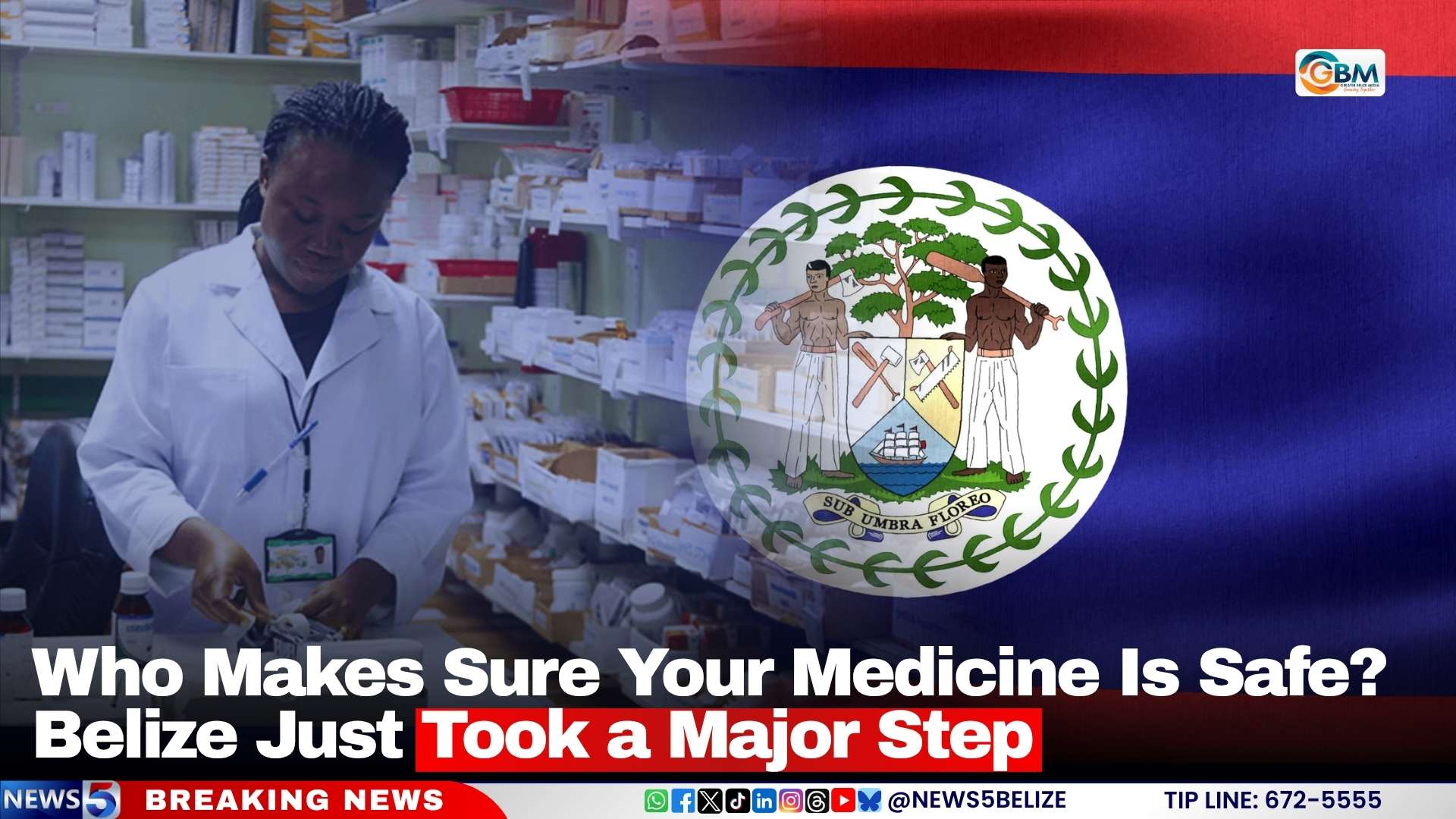
For consumers everywhere, the question of medication safety is foundational to public health: every time a patient picks up a prescription or purchases over-the-counter treatment, they rely on rigorous regulatory systems to vet for unexpected side effects, manufacturing quality flaws, and dangerous counterfeit products. In a landmark step for both national public health and global drug safety cooperation, the Central American nation of Belize has now secured full membership in the World Health Organization’s (WHO) Programme for International Drug Monitoring (PIDM), cementing years of progress in strengthening its national pharmacovigilance infrastructure.
The new full membership status grants Belize direct access to submit local medication safety reports to VigiBase, the WHO’s comprehensive global database that tracks adverse drug events and safety concerns from across the world. Belize’s Ministry of Health and Wellness emphasized that this international recognition validates the substantial work the country has put into building a robust national system for monitoring medication safety and responding quickly to public health risks tied to pharmaceutical products.
The Pan American Health Organization (PAHO), which has provided ongoing technical and institutional support to Belize’s pharmacovigilance efforts over the past several years, noted that full membership in the PIDM reflects Belize’s expanded capacity to carry out core public health functions: detecting potential adverse reactions, assessing risks, understanding emerging safety issues, and preventing harm from problematic medications. Beyond national benefits, PAHO highlighted that Belize’s full membership means the country will now contribute its own local data and on-the-ground expertise to the global drug safety network coordinated by the WHO, strengthening collective global protections.
Belize’s journey to full membership began back in 2020, when it first joined the PIDM as an associate member. In the years since that initial association, the country has undertaken targeted upgrades to its regulatory infrastructure: it has expanded the capacity of its national Drug Inspectorate Unit, improved post-market surveillance protocols to catch safety issues that emerge after a drug reaches consumers, broadened the network for reporting adverse medication events, and integrated its national reporting systems with the WHO’s global safety database.
According to Belize’s Ministry of Health and Wellness, the upgraded full membership status will transform the country’s ability to both contribute to and benefit from global drug safety efforts. Moving forward, Belize will be able to participate more actively in international monitoring work, while also gaining immediate access to the latest global safety data to inform local regulatory decisions and better protect patients across the country. PAHO echoed this assessment, noting that full membership will give Belize access to cutting-edge international safety analyses while allowing the nation to contribute to early detection of emerging drug safety risks at the global level, creating a win-win outcome for both national and global public health.