In a sharp rebuke of a provocative new report released by the U.S. State Department on July 20, 2026, Cuba’s top government officials have launched a full-throated rejection of the document’s unsubstantiated claims that paint the Caribbean nation as a hostile spy and ideological power targeting the United States.
The 99-page U.S. report frames Cuba as the “capital of 21st century communism”, and repeats the baseless accusation that Havana has run a 70-plus-year campaign of espionage, political infiltration and ideological influence across the U.S., even going so far as to link domestic American progressive movements including the Black Panthers and Antifa to an alleged Cuban influence network.
Cuba’s Ministry of Foreign Affairs issued an official statement the following day, dismissing the publication as nothing more than a “mediocre propaganda pamphlet” crafted to manufacture a false narrative of Cuban threat. The ministry argued that the entire report is designed to justify Washington’s decades-old economic embargo against Cuba — a measure Cuban officials describe as collective punishment and genocide against the Cuban people — and clear the way for potential future military aggression against the sovereign island nation.
The foreign ministry called out stark U.S. hypocrisy in the accusations, noting that the U.S. government annually diverts tens of millions of dollars in federal funds to efforts aimed at destabilizing Cuba’s internal order, provoking economic hardship and ousting Cuba’s elected government. It pointed to Washington’s long and well-documented history of violating international law: extrajudicial killings in international waters, targeted political assassinations, sponsorship of genocidal campaigns, military invasions of sovereign states across every continent, and routine interference in the domestic electoral processes of other nations.
Cuba’s officials also pushed back against the long-running U.S. labeling of Cuba as a state sponsor of terrorism, emphasizing that no evidence — even minimal evidence — exists to back up this false claim, a fact acknowledged even by specialized U.S. intelligence agencies. In contrast, they noted, individuals who finance, organize and carry out violent terrorist attacks against Cuba have long operated with full protection and legal impunity on U.S. territory.
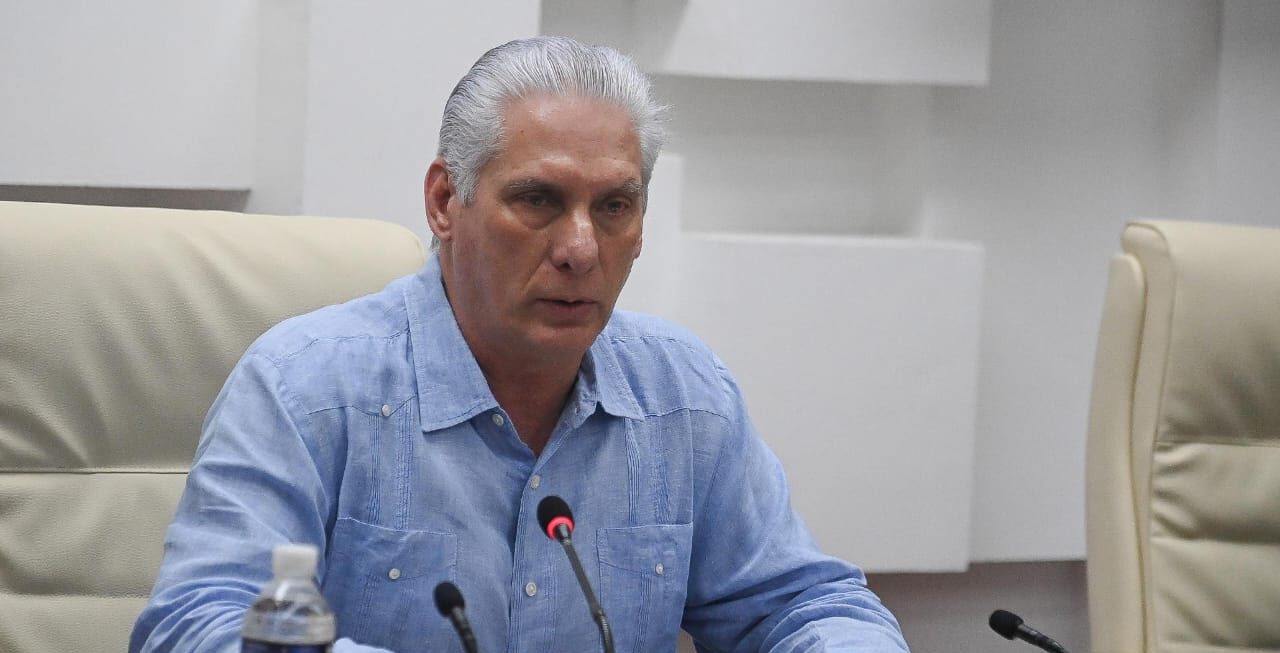
Cuban President Miguel Díaz-Canel Bermúdez echoed these criticisms, doubling down on the rejection of the report. He noted that the U.S. itself has spent decades carrying out extensive espionage and overtly hostile actions against Cuba, including the ongoing economic blockade and dozens of covert operations. Díaz-Canel pointed to a long record of criminal U.S. actions against Cuban civilians: the intentional introduction of crop pests and diseases, the 1981 dengue hemorrhagic fever outbreak that killed 101 Cuban children, the bombing of a Cuban civilian airliner that killed all 73 people on board, multiple hotel bombings, dozens of assassination attempts against Cuban leaders, and sustained psychological warfare campaigns.
Dí-Canel called the latest U.S. report a core component of a rising wave of “neo-McCarthyism” that the U.S. is pushing both domestically and globally. This new ideological crackdown, he explained, is aimed at suppressing progressive political movements, intimidating activists who show solidarity with Cuba, and rolling back civil liberties for American citizens. The Cuban president emphasized that growing opposition to the U.S. embargo and its devastating harm to the Cuban economy — even among Cuban-American communities and their descendants in the U.S. — has pushed the Biden administration to manufacture this false narrative to stifle dissent.
“Every thief thinks everyone else is like them,” Díaz-Canel said, summing up his view of the report. He added that the report’s accusations reveal the deep-seated fear of a nuclear superpower toward Cuba’s example of sovereignty and social justice that prioritizes the needs of ordinary people over elite interests, exposing an underlying inferiority complex toward Cuba’s independent national project.
Díaz-Canel reiterated that Cuba has never taken any action to harm the American people or threaten U.S. national security. He confirmed that Cuba will continue to pursue friendly people-to-people and institutional ties with the United States, in full compliance with international law, the United Nations Charter and the Vienna Convention on Diplomatic Relations.