As the 2026 FIFA World Cup moves into the quarter-final stage, the recently concluded round of 16 has already delivered a flood of talking points, surprising results and critical lessons that shape the trajectory of the tournament. The most striking trend to emerge from the knockout stage’s opening round is the overwhelming dominance of European UEFA member nations. When the dust settled on the final round of 16 matches, only Argentina from CONMEBOL and Morocco from CAF remained as non-European contenders still in the hunt for the World Cup trophy.
Let’s break down the results and talking points from each match, starting with African representatives. Morocco secured a comfortable 3-0 shutout win over Canada in their round of 16 clash, withstanding the high-pressing style that Canadian manager Jesse Marsch, a former United States international, has become known for. While the Atlas Lions did not need key midfielder Ismael Saibari to get past Canada, they will face a significant challenge to repeat their 2022 semi-final run without his presence in the knockout stages moving forward. Emerging attacker Soufiane Rahimi’s strong performance, however, has given the Moroccan side a reliable alternative up front.
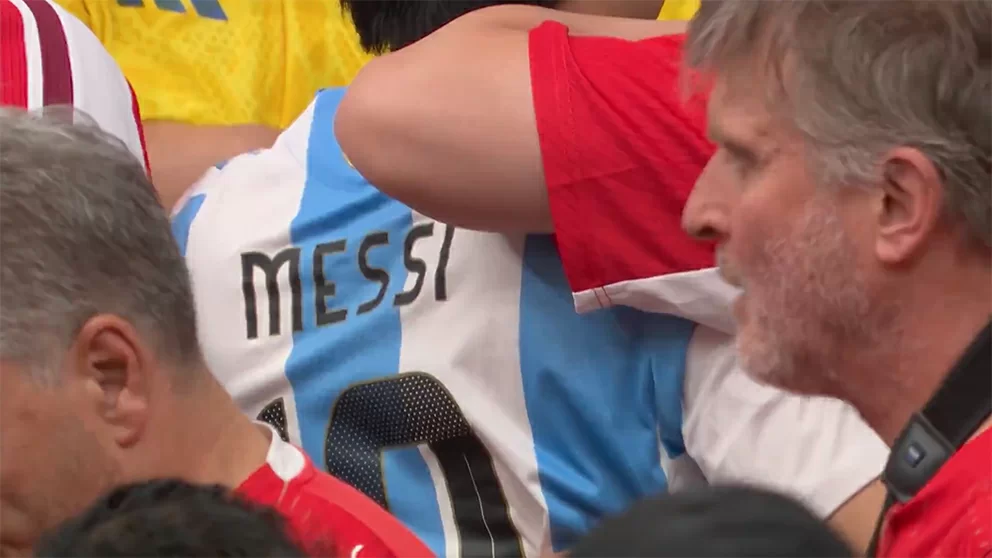
The other African side to reach the round of 16, Egypt, pushed defending champions Argentina to the absolute brink before falling 3-2 in a tense contest. Egypt’s head coach Hossam Hassan publicly accused referees of favoring Argentina, a complaint that is far from unprecedented in this World Cup. Argentina’s narrow win, its second consecutive tight result against African opposition, exposed clear defensive weaknesses in the Albiceleste setup and raised questions about the side’s overreliance on captain Lionel Messi. Even with these vulnerabilities, Argentina showed resilience to pull out the win, keeping South American hopes of a title alive.
Messi himself added another historic milestone to his unparalleled World Cup career in the match. After Egypt goalkeeper Mostafa Shobeir saved his first penalty, Messi buried the rebound in the 83rd minute to score his eighth goal of the 2026 tournament, extending his all-time World Cup goal record to 21 career strikes. Even as the greatest player of his generation, Messi is not infallible: the saved penalty marked his second missed spot kick of this tournament, and his 34th missed penalty across his entire professional career. Midfielder Leandro Paredes has emerged as an unsung key cog in Argentina’s 4-1-3-2 formation, proving critical to shoring up the side’s defensive gaps.
In the race for the tournament’s Golden Boot, Messi’s 8th-minute strike put him clear at the top of the standings. France captain Kylian Mbappé kept pace close behind, converting a 70th-minute penalty against Paraguay to bring his tournament total to seven goals and his career World Cup total to 19. Norway’s Erling Haaland matched Mbappé’s tally, slotting home two finishes from Andreas Schjelderup assists to also hit seven goals for the tournament. England captain Harry Kane sits just behind the pair on six goals, after his penalty against Mexico brought up his tournament total.
One of the most talked-about matches of the round saw the United States face Belgium, after U.S. leadership, including former president Donald Trump, lobbied FIFA to overturn a red card issued to American striker Folarin Balogun. Despite successfully getting the decision reversed, the United States fell to a heavy 4-1 defeat, a result many have framed as a case of sporting justice for the controversial decision. Belgium’s Red Devils dominated the match from start to finish, breaking the U.S. high press with accurate long balls from goalkeeper Thibaut Courtois, exploiting wide areas with wingers Dodi Lukebakio and Leandro Trossard, and capitalizing on sloppy American defensive mistakes. After a promising run that included breaking a 24-year drought of beating European opposition, the United States’ depth and quality was exposed by Belgium, ending their tournament run. The controversial red card reversal only seemed to motivate the Belgian side, with striker Romelu Lukaku even celebrating a goal with a dance mocking the political interference.
Canada, like their southern neighbors, relies on an intense high-pressing system, but both North American sides were shown that relentless pressing and man-marking does not work against top-tier opposition, with both falling to elimination. Both CONCACAF sides will need to develop alternative tactical approaches to compete with elite teams in future tournaments.
England faced a tough test against Mexico in Mexico City’s high-altitude stadium, where El Tri hoped the thin air and raucous home crowd would derail the Three Lions. Instead, England raised their game to match the challenge, running out 3-1 winners. Jude Bellingham stole the show with two goals in the space of two minutes, and Anthony Gorden won a late penalty that Harry Kane converted to seal the result, with Mexico unable to keep up with England’s sustained high tempo.
Five-time World Cup winners Brazil became another major giant to fall, exiting the tournament after a 2-1 defeat to Norway. Brazil tried and failed to use Italy’s famous catenaccio defensive system to shut down Haaland and Norway, with missed chances proving costly for the Seleção: Bruno Guimarães missed a penalty, and young star Endrick squandered a late breakaway opportunity. Neymar converted a stoppage-time penalty for what may prove to be his final World Cup goal, finishing his fourth tournament with nine career World Cup strikes. Brazil’s exit means four-time champions Italy (who failed to qualify) and three-time champions Germany (knocked out in the round of 32) have been joined on the sidelines by one of the tournament’s pre-tournament favorites.
Paraguay pushed defending champions France all the way, using an ultra-defensive approach that tested Les Bleus’ patience and quality all match. This was not the first time Paraguay has frustrated France at the World Cup: the South American side pushed the eventual 1998 champion French side all the way to extra time before falling to a late Laurent Blanc goal. This year’s Paraguayan side pushed physical and tactical aggression to its limit, a common feature of many South American tournament matches that has been colloquially labeled “football’s dark arts.” It took a late VAR review to confirm a foul on Desire Doue by Diego Gomez, with France converting the resulting penalty to seal a 1-0 win and book their quarter-final spot.
The only European side to exit the round of 16 was Portugal, who fell 1-0 to neighboring Iberian rivals Spain in what was widely billed as Cristiano Ronaldo’s final World Cup match. Spain kept a clean sheet – their fifth of the tournament – silencing critics who argued La Roja was vulnerable at the back. Mikel Oyarzabal, who has four tournament goals, continued his sharp form in front of goal, while 16-year-old prodigy Lamine Yamal had a quieter match than in previous rounds, scoring once so far in the tournament.
Colombia also exited the round of 16, with a chronic lack of finishing proving their undoing; the side managed just one goal across their last three matches of the tournament.