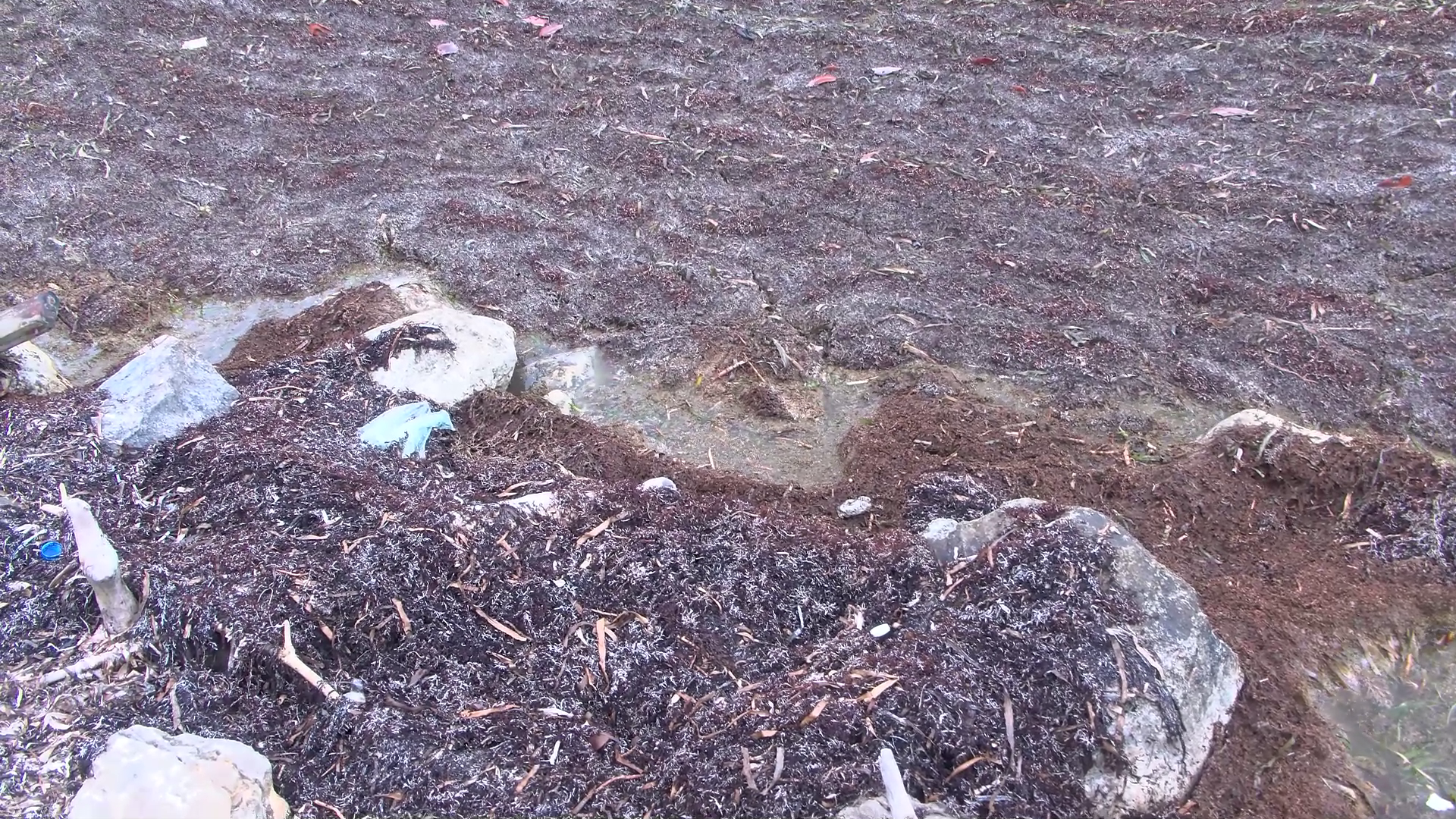
In what local leaders describe as an unprecedented ecological and public health challenge, Belize City is racing to contain a massive seasonal sargassum bloom that has smothered large stretches of its coastline in recent weeks. What has long been a recurring seasonal nuisance has escalated into a crisis this year, with volumes of the drifting brown seaweed far exceeding any previous event the city has managed. The uninvited marine influx has already triggered widespread alarm over stagnant seaweed piles that emit foul odors, damage fragile coastal ecosystems, and create measurable public health risks for local communities and visitors.
Mayor Bernard Wagner of Belize City confirmed in an interview with local outlet News Five on July 7, 2026, that municipal authorities have activated an urgent coordinated response alongside the national Department of the Environment (DOE) to stop the situation from deteriorating further. Speaking to reporters, Wagner emphasized that the crisis extends far beyond Belize City’s borders, framing the sargassum incursion as a nationwide issue that demands immediate, on-the-ground action rather than drawn-out long-term planning that would delay critical cleanup work.
“This is a pressing problem right now, and we need to map out solutions for the short, medium, and long term all at once,” Wagner explained of the recent interagency brainstorming session focused on the crisis. “Our priority right now is immediate cleanup and mitigation. We can’t afford to get stuck planning for the far future while the coastline is covered. We need boots on the ground today.”
To move the response forward quickly, the city council has deployed a technical team including the city planner, city engineer Floyd Williams, and the municipal works director to conduct an immediate on-site assessment of the sargassum volume and spread across affected coastal areas. The team is tasked with developing a short-term removal plan that outlines what heavy machinery and hauling trucks will be required to clear the shoreline. That assessment will then be sent back to city leadership to secure the necessary equipment and launch cleanup operations.
Meanwhile, the city’s Chief Emergency Management Officer coordinator Melanie has already coordinated with the DOE to identify a proper disposal site for the harvested seaweed. Per DOE guidance, the designated municipal waste management facility has been selected as the most appropriate location for permanent disposal to avoid secondary environmental contamination.
Wagner stressed that the Belize City Council’s core immediate goal is to shift rapidly from assessment and planning to active mitigation, with hopes of clearing affected shorelines before the sargassum bloom expands and worsens in the coming weeks.