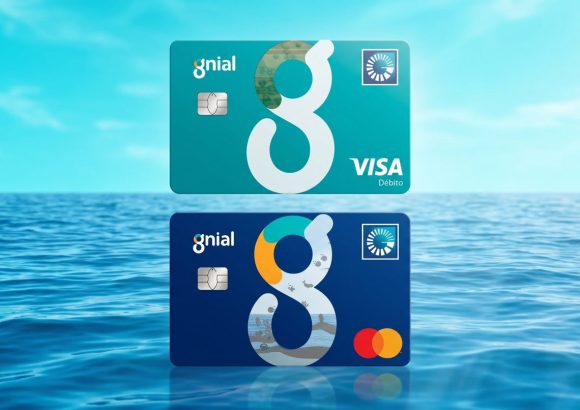
In a landmark step that merges mainstream finance with ocean conservation, Banco Popular Dominicano has unveiled an innovative sustainability initiative that turns coastline plastic waste into everyday payment cards. The country’s leading banking institution announced this week that its popular Gnial line of credit and debit cards will now be manufactured exclusively from plastic retrieved from the shorelines of Sánchez, a coastal community in the Samaná province, through a formal collaboration with global environmental nonprofit Parley for the Oceans.
This project is not an isolated corporate gesture, but a core component of the bank’s long-term corporate sustainability strategy. By integrating circular economy principles directly into its consumer financial products, Banco Popular is aiming to close the plastic waste loop while amplifying the community-led plastic collection and recycling programs already operating across Dominican coastal regions. The model puts discarded ocean-bound plastic back into productive use, keeping harmful waste out of marine habitats and supporting local livelihoods tied to coastal conservation work.
Beyond the card manufacturing innovation, the bank has introduced a complementary giving program to accelerate ocean protection efforts across the country. Cardholders will have the option to donate their accumulated Popular Miles rewards points to fund local initiatives focused on coastal ecosystem protection and plastic pollution reduction. To maximize the impact of individual contributions, Banco Popular has partnered with the Caribbean Biodiversity Fund (CBF), which will match every donation through the Marena Fund — effectively tripling the total resources directed to on-the-ground ocean conservation projects.
Christopher Paniagua, chief executive officer of Banco Popular Dominicano, emphasized that the new initiative reimagines what consumer banking products can achieve. The reimagined Gnial cards, he explained, successfully combine accessible financial innovation with intentional environmental responsibility, turning plastic waste that once threatened Dominican shorelines into a widely used everyday banking tool that drives further conservation action.