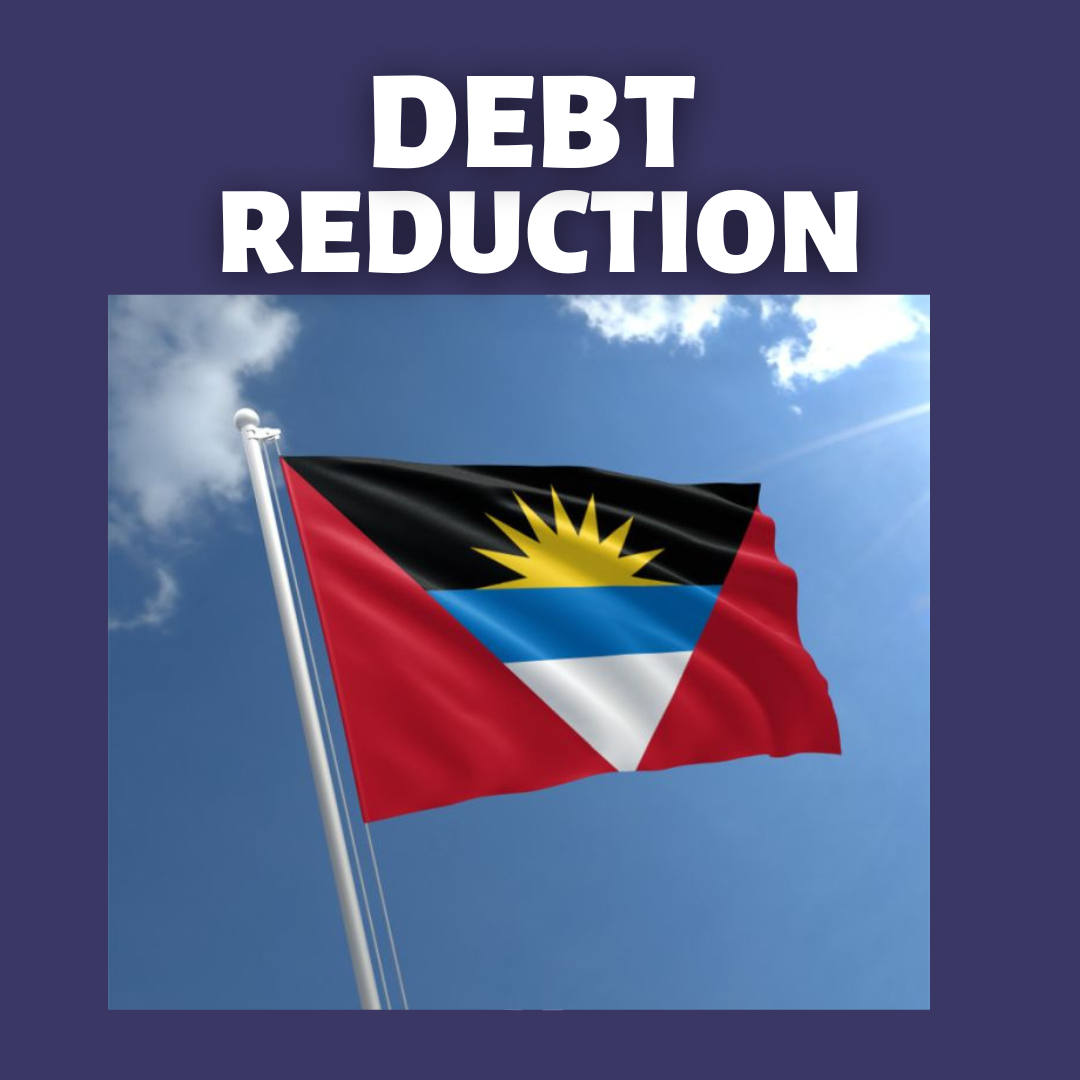
In a landmark fiscal achievement announced this week, Antigua and Barbuda has slashed its outstanding external debt owed to China by more than 60 percent, dropping the total obligation from over $300 million to roughly $120 million, according to government officials. The dramatic debt reduction has pulled the nation’s overall debt-to-GDP ratio down to the closely-watched 60 percent benchmark, a shift that has positioned the country to pursue more favorable international financing for upcoming development projects. Director General of Communications Maurice Merchant shared the updated fiscal details with reporters during the weekly post-Cabinet press briefing on Thursday, expanding on an earlier announcement from the country’s ruling cabinet.
Merchant explained that the vast majority of the Chinese-held debt was inherited from major infrastructure projects launched before the current Gaston Browne administration took office. These legacy projects include the construction of the former Mount St. John’s Medical Centre, the large-scale redevelopment of VC Bird International Airport, and the buildout of the Wadadli Power Plant. Only one of the projects included in the debt portfolio – the expansion of the nation’s seaport – was initiated under the current Browne-led government. In addition to the overall reduction, the government has also fully repaid the loan earmarked for the construction of the Sir Lester Bird Medical Centre, Merchant confirmed.
Top finance officials and cabinet members have expressed enthusiastic optimism about the progress made in shrinking the country’s debt burden, Merchant said. He framed the reduction of the obligation to roughly one-third of its original value as a transformative milestone for the Caribbean nation’s fiscal health. “The government is very excited about this news coming from the finance officials in relation to the reduction of the debt to the People’s Republic of China,” Merchant told reporters, adding “Repayment of these debts, bringing it down to a third of what it was before, is a significant milestone.”
The debt reduction is far more than a numerical win: it serves as clear proof of the current administration’s commitment to responsible public financial management and fulfillment of international financial obligations, Merchant emphasized. “It sends a signal that government is very serious about its obligations to financial institutions [and] the management of its debt stock,” he said. “We are at the threshold of about 60 percent of debt to GDP, and I can tell you that the finance officials and the Cabinet are dancing. They are excited about this.”
This improved fiscal standing brings two key long-term benefits for Antigua and Barbuda, according to Merchant. First, it strengthens the nation’s credibility with global lenders, opening the door to more accessible and affordable financing for a range of future capital development projects across the country. “It places the government in a particular position that it can go to international institutions and secure financing for various capital projects within Antigua and Barbuda,” he explained. Second, it enhances the country’s global reputation for prudent fiscal governance, demonstrating to international organizations and the broader global community that the government is prioritizing sustainable, people-centered policy. “It tells the international organizations and the international community that Antigua and Barbuda’s government is working in the interest of the people in a prudent and responsible manner,” Merchant said.
Cabinet’s official briefing notes also highlighted that the debt reduction creates expanded fiscal space for the government to direct more resources toward core national development priorities, while further strengthening Antigua and Barbuda’s overall macroeconomic stability for long-term growth.